
Barakamon
Seishuu Handa is an up-and-coming calligrapher: young, handsome, talented, and unfortunately, a narcissist to boot. When a veteran labels his award-winning piece as "unoriginal," Seishuu quickly loses his cool with severe repercussions.
As punishment, and also in order to aid him in self-reflection, Seishuu's father exiles him to the Goto Islands, far from the comfortable Tokyo lifestyle the temperamental artist is used to. Now thrown into a rural setting, Seishuu must attempt to find new inspiration and develop his own unique art style—that is, if boisterous children (headed by the frisky Naru Kotoishi), fujoshi middle schoolers, and energetic old men stop barging into his house! The newest addition to the intimate and quirky Goto community only wants to get some work done, but the islands are far from the peaceful countryside he signed up for. Thanks to his wacky neighbors who are entirely incapable of minding their own business, the arrogant calligrapher learns so much more than he ever hoped to.
(Source: MAL Rewrite)
📺Anime Details
📝Editorial Analysis
The smell of salt and drying ink hangs in the air—Seishuu Handa’s brush trembles over rice paper, not from focus, but from sheer, flustered disbelief as Nanako—barefoot, grinning, holding a half-eaten sweet potato—suddenly leans over his shoulder and smears her thumb across his painstakingly rendered “dragon” character. He yelps. She giggles. A seagull cries overhead. The tide sighs against the rocks just beyond the veranda. That’s it—the exact second Barakamon stops being about calligraphy and starts being about breathing again.
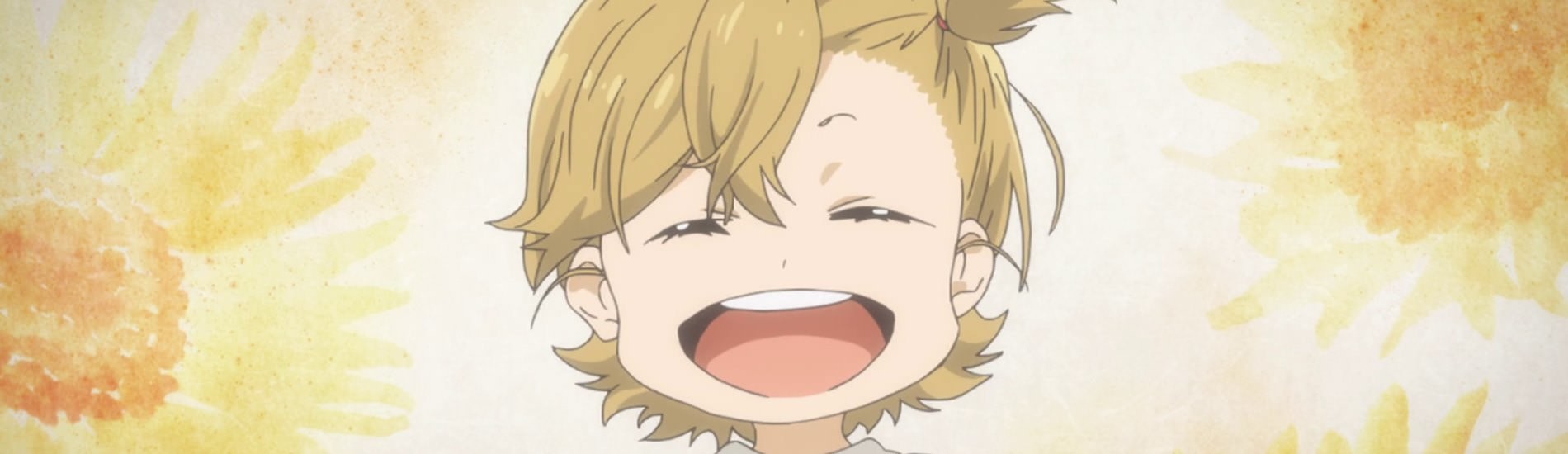
What makes Barakamon’s atmosphere singular isn’t its rural setting or its slapstick—it’s the weightlessness it cultivates. Not escape, not fantasy, but the quiet, sun-warmed relief of having your ego gently unspooled by a child’s curiosity, a neighbor’s unvarnished honesty, the slow rhythm of laundry on a line swaying in coastal wind. It doesn’t ask you to heal—it holds space while you do, without diagnosis or urgency. You don’t watch Barakamon to see Seishuu “fix” himself; you watch to feel the softening of his shoulders when he finally stops correcting Nanako’s handwriting and just watches her concentrate, tongue poking out, ink smudged on her cheek. It’s rehabilitation as daily ritual—not therapy, but tea shared in silence, then laughter that startles both of you.
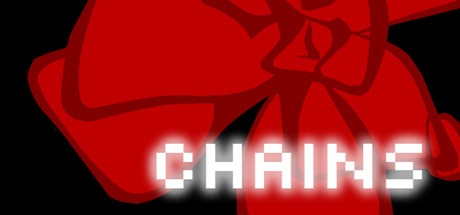
That same emotional DNA hums in Chains—not because it’s about calligraphy, but because its core loop mirrors Barakamon’s therapeutic cadence: link adjacent bubbles, clear enough to proceed, repeat. The player review calls it “connect 4 in nutshell”—simple, tactile, physics-driven, forgiving. Like Seishuu relearning stroke order not for competition but for presence, Chains asks for attention without pressure. No timers, no fail states—just color, connection, gentle cause-and-effect. Each chain is a tiny act of alignment, a small restoration of order that feels earned, not demanded. It’s healing disguised as play—slow, iterative, deeply bodily.
Then there’s The Sims™ 4, where the resonance lives in its open-ended domestic choreography. The description invites you to “play with life and discover the possibilities”—to customize Sims, homes, routines. And though the player review bitterly notes the DLC paywall and bugs, what lingers is the raw, unguarded truth beneath: “TS4 has become awful… you can barely do a…”—that fragmented, weary sentence echoes Seishuu’s early isolation in the Goto Islands. Both works orbit the same tender, fragile truth: family life isn’t built in grand gestures, but in the accumulation of small, repairable choices—cooking a meal, fixing a leaky faucet, teaching a kid to tie their shoes. The game’s brokenness, ironically, deepens the parallel: like Seishuu’s flawed, stumbling attempts at fatherhood or mentorship, The Sims™ 4’s imperfections make its emotional labor more authentic, not less.
Even Prince of Persia, despite its mythic scale and reboot framing, shares Barakamon’s tonal duality—its description names “Melancholic Exploration” and “Comedy & Parody” as core dimensions. The player review mentions “a new prince, new lands and a brand new story completely separate from the sands…”—that deliberate break mirrors Seishuu’s exile: a forced severance from old identity, followed by rediscovery through unfamiliar terrain and unexpected humor. The melancholy isn’t despair—it’s the ache of growth, the quiet awe of standing on a cliffside at dusk, watching light bleed into sea, realizing you’re no longer who you were—and that’s okay.
This pairing isn’t for people who want catharsis on demand. It’s for the ones who’ve ever sat on a porch swing at 4 p.m., too tired to scroll, too restless to sleep—who recognize the sacredness of an uneventful afternoon. It’s for the writer who deletes three paragraphs and then stares out the window until a sparrow lands on the sill. For the parent who finds more meaning in folding tiny socks than in any promotion. For anyone who’s ever needed to remember that healing isn’t linear—it’s coastal: tidal, patient, salt-stung, sunlit, and always, always returning.
🎮19 Games That Match the Vibe







Match Dimensions Explained
❓Frequently Asked Questions
Why does Chains keep coming up in 'games like Barakamon' lists?
Because Chains nails Barakamon’s soothing, meditative rhythm—like when Shinpei quietly arranges calligraphy tools or sips tea on Goto Island. Its bubble-chaining mechanic is gentle and tactile, with soft physics and no time pressure, mirroring the show’s healing slow-life dimension (score: 85) and emotional narrative weight—not flashy, but deeply calming.
Is there a Barakamon video game adaptation?
No official Barakamon game exists—but Chains is the closest spiritual match fans consistently cite for capturing its vibe: unhurried pacing, warm emotional resonance, and quiet character-driven moments (like linking pastel bubbles while reflecting on growth, much like Shinpei’s journey from frustration to peace). It’s not an adaptation, but it *feels* like stepping into that world.
How does The Sims 4 compare to Prince of Persia for Barakamon fans?
They’re surprisingly aligned in healing & slow-life energy—but in totally different ways: TS4 lets you build cozy island homes and roleplay quiet rural life (think Fuyumi’s shop or the Goto house), while Prince of Persia offers melancholic exploration through sun-drenched ruins and dry, self-aware comedy—like when the Prince deadpans after tripping, echoing Barakamon’s gentle absurdity. Both score 83–85 in healing/slow-life, but TS4 leans domestic, PoP leans poetic wanderlust.
What’s the best 'Barakamon-like' game if I just want to feel calm and grounded today?
Go straight to Chains—it’s designed for exactly that. With its soft color palettes, satisfying chain-linking physics, and zero penalties or urgency, it mirrors Shinpei’s peaceful mornings sketching in his tatami room or helping villagers without drama. At 85 in Healing & Slow Life (topping even The Sims 4), it’s the most reliably grounding pick—no DLC needed, no bugs, just quiet focus.