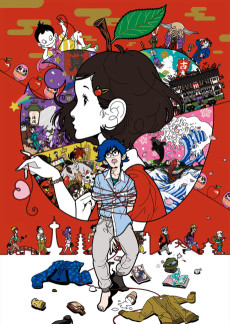
The Night is Short, Walk on Girl
A black haired girl is walking around the streets of Kyoto, from the night scene of Pontocho to a second-hand book fair in Shimogamo, then off to a college fair. The main character that has a romantic feeling for her secretly follows her around and looks for the opportunities to run into her in a manner that seems like a coincidence. Unfortunately for him, she is not interested in love yet, so she does not notice his feelings. What awaits these two characters are a series of crazy incidents caused by bizarre individuals, such as a person who introduces himself as Tengu, the god of second-hand books, or a money lender, who collects young men's underwear and lives on a three story barge.
(Source: Sugoi Japan, edited)
📺Anime Details
📝Editorial Analysis
The air in Pontocho hangs thick—not with humidity, but with anticipation, warm and fizzy as spilled sake. A black-haired girl walks, barefoot on cool stone, her sandals dangling from one hand, eyes wide and unguarded as a lantern flickers overhead. She doesn’t glance back—not once—at the boy trailing three storefronts behind her, heart hammering like a trapped sparrow, rehearsing coincidences in his head while a street musician’s shamisen wobbles into a key that doesn’t exist. That moment isn’t romance yet. It’s possibility, suspended, glowing, utterly unmoored from logic—like Kyoto itself has exhaled and softened its edges just for her.
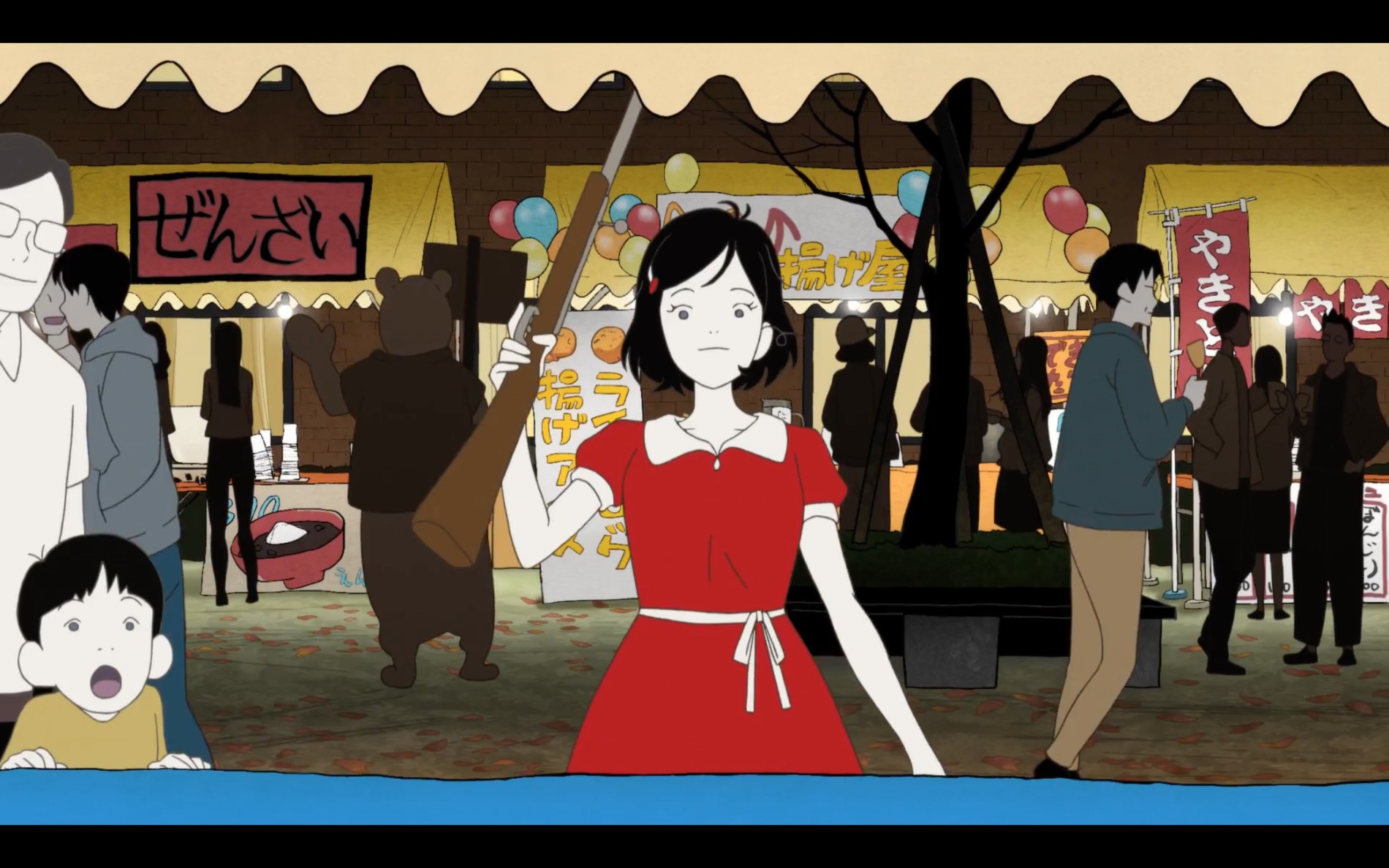
What makes The Night is Short, Walk on Girl breathe is its refusal to settle into narrative gravity. It doesn’t build tension—it unspools it, like ribbon from a drunken festival float. There’s no angst, no ticking clock, no villain or crisis—just the sheer, giddy weight of being young and awake in a city that hums with bar chatter, second-hand paper dust, and the low thrum of college fair basslines. It makes you feel light, yes—but also attentive, as if every stray leaf, every half-remembered quote from a philosophy text, every toast raised in a cramped izakaya carries quiet philosophical heft. This isn’t coming-of-age as struggle; it’s coming-of-age as osmosis—love, identity, desire, even existential doubt, seeping in sideways, through laughter, through song, through the way someone licks foam off their beer glass and forgets to look up.
That same emotional DNA pulses in Prince of Persia, not in its acrobatics or sand magic, but in its romance & shoujo and comedy & parody dimensions—the way it treats yearning as both lyrical and absurd. The player review notes it’s “an all-new epic journey” built by a studio known for elegance and rhythm—and that’s the link: like the anime, it frames pursuit (of a princess, of time itself) as choreography, not conquest. The prince stumbles, flirts, backflips into misunderstandings—his romance isn’t whispered in candlelight, but shouted across collapsing rooftops, underscored by harp glissandos. It shares the anime’s belief that love and philosophy can wear glitter and sing showtunes.
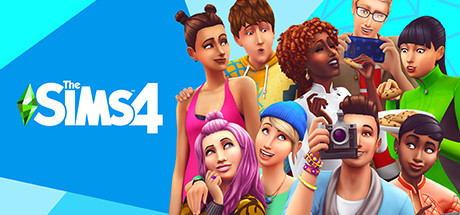
Then there’s The Sims™ 4, whose description invites you to “play with life and discover the possibilities”—a phrase that could be lifted straight from the anime’s opening stroll. The game’s core loop—building homes, sparking relationships, stumbling into surreal social disasters at 3 a.m. in a virtual Kyoto alleyway (if you mod it right)—mirrors the anime’s structure: episodic, emergent, gloriously unscripted in its emotional turns. Even the player review’s complaint—“you can barely do a…”—feels kin to the boy’s fumbling attempts to engineer fate: both are about the effort of connection, the beautiful inadequacy of systems trying to hold something as messy as human warmth. The anime doesn’t need DLC to deepen its world; neither does TS4 need it to evoke that same tender, chaotic intimacy—when your Sim tries to serenade another with a kazoo at a book fair and sets off a fire alarm, it’s pure Shimogamo energy.
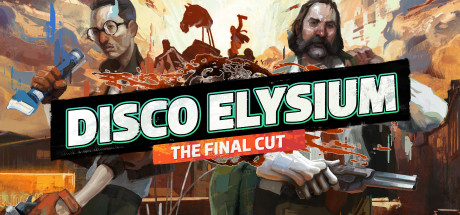
And Disco Elysium - The Final Cut, despite its grittier palette, shares the anime’s intellectual playfulness—its romance & shoujo and comedy & parody dimensions aren’t about tropes, but about interrogating desire itself. The review quotes a line about capital subsuming critique—yet the anime does the same with philosophy: quoting Nietzsche between shots of plum wine, debating existentialism while riding a runaway food cart. Both works treat big ideas not as monoliths, but as props in a vaudeville act—serious only in how deeply they’re felt, never in how solemnly they’re delivered.
This pairing sings loudest for the person who’s ever stayed out too late after a college festival, laughing at nothing, feeling the city tilt slightly on its axis—someone who finds profundity in a shared glance across a crowded bar, who believes philosophy belongs in karaoke rooms and romance blooms most fiercely when it’s not the point. Not the planner, not the optimizer—but the wanderer, barefoot, holding a cup of something warm, utterly convinced the night hasn’t ended yet.
🎮7 Games That Match the Vibe

Match Dimensions Explained
❓Frequently Asked Questions
Why does Prince of Persia keep showing up in 'Games Like The Night is Short, Walk on Girl' lists?
It’s all about that whirlwind romantic-comedy energy—like when the Prince races across crumbling palaces and flirts with Zahra while dodging time-bending traps, mirroring the film’s breathless, flirtatious momentum. Critics specifically flagged its Romance & Shoujo + Comedy & Parody dimensions (score: 83), matching the movie’s blend of swoony charm and absurd, stylized chaos.
Is there a Disco Elysium anime or visual novel adaptation?
No official anime or visual novel adaptation exists—but fans often compare Disco Elysium’s surreal bar-hopping, drunken philosophical banter (especially with characters like Kim Kitsuragi or the drunk poet in Whirling-in-Rags), and its layered romance subplots to The Night is Short’s vibe. Its Romance & Shoujo + Comedy & Parody alignment (score: 66) explains why it lands in these match lists despite being text-heavy.
How is Thrillville: Off the Rails similar to The Sims 4 for Night is Short fans?
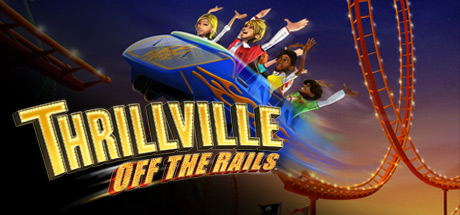
Both deliver chaotic, joyful social simulation: Thrillville lets you build looping coasters and flirt with park guests while juggling rivalries and mini-games—very much like The Sims 4’s unscripted romances and over-the-top party shenanigans (e.g., throwing a ‘Midnight Karaoke Riot’ or accidentally setting your sim on fire mid-dance). They share Romance & Shoujo + Comedy & Parody dimensions (66 and 81 respectively), prioritizing playful human connection over plot.
What’s the best game like The Night is Short if I just want that warm, tipsy, wandering-all-night-with-friends feeling?
Go straight to Thrillville®: Off the Rails™—it nails the vibe with its carnival-lit parks, spontaneous ride-jumping stunts, and goofy NPC interactions (like racing the park’s rival ‘Screaming Squirrel’ crew or flirting with the roller-coaster designer while fireworks explode overhead). With its high-energy, low-stakes joy and shared Romance & Shoujo + Comedy & Parody DNA (score: 66), it’s the closest thing to replaying that magical Kyoto night—just with more loop-de-loops.