S.A: Special A
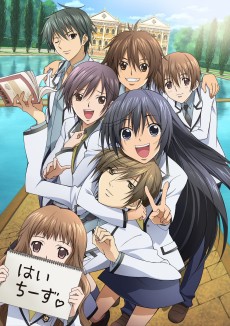
Hikari Hanazono has always been second to Kei Takishima. When they were six years old, their pro-wrestling loving fathers introduced them to each other. Assuming that she was the best in wrestling, young Hikari challenged Kei to a wrestling match only to be thoroughly defeated by him.
Ever since that fateful incident, Hikari swore to beat Kei in school grades, sporting events - anything. To do this, she has enrolled in the same school as Kei since elementary. Now she attends Hakusenkan, an ultra elite school, that costs her carpenter father a lot of money.
Hikari and Kei are the top two students in the school, with Kei holding firmly to that number one position. While Hikari considers Kei to be a rival and important friend, she is completely unaware that Kei loves her. The story primarily focuses on Hikari and her constant attempts to defeat her one and only rival, Kei, and how she finds love in their rivalry.
📺Anime Details
📝Editorial Analysis
The chalk dust hangs in the afternoon light like suspended time—Hikari Hanazono’s fist clenched around her test paper, knuckles white, eyes locked on Kei Takishima’s back as he walks away without glancing back. Not because he’s indifferent, but because he knows. He knows she’ll chase. He knows she’ll stumble, shout, trip over her own pride in the hallway, then pick herself up and sprint again—not toward victory, but toward the unbearable, beautiful friction of being seen.
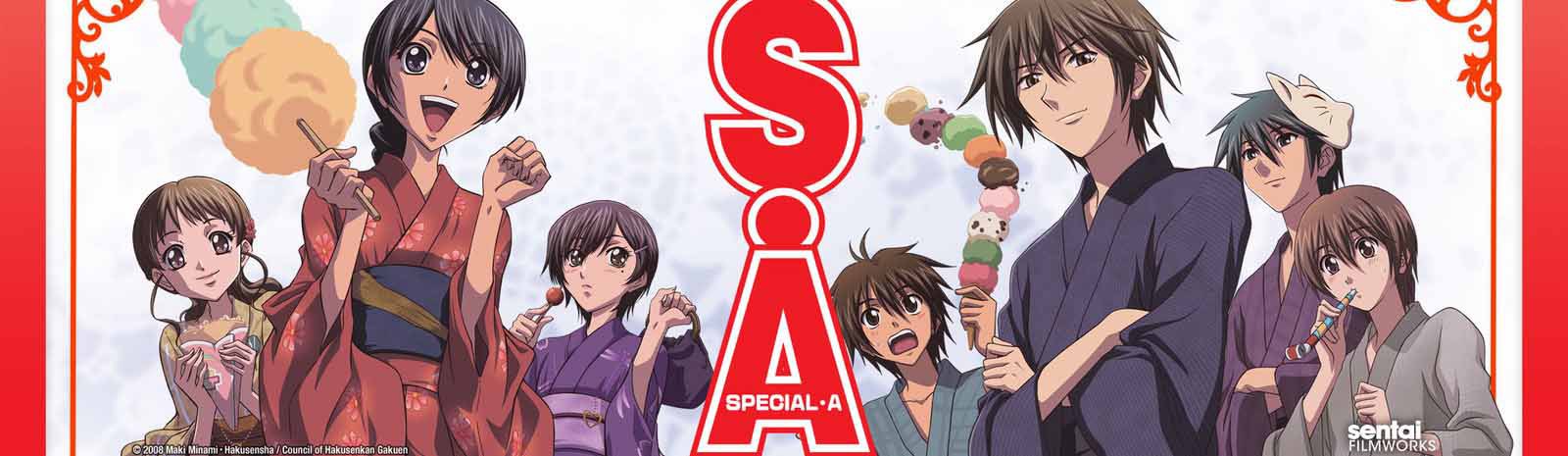
That’s the heartbeat of S.A: Special A: not rivalry as competition, but rivalry as devotion wearing gloves. It’s the ache of proximity—two people orbiting each other so tightly they warp the gravity of everyone else’s world. The slapstick isn’t just gag; it’s Hikari’s body betraying her heart before her mouth catches up. The twins aren’t plot devices—they’re mirrors, showing how identity fractures and reforms under pressure. The bullying isn’t background noise—it’s the cold draft that makes the warmth of the S.A. classroom feel like sanctuary. This anime doesn’t ask Will they get together? It asks What does it cost to stay this close without breaking? And it answers with sweat, stammered denials, and the quiet weight of a shared childhood memory—two six-year-olds, tiny fists raised, fathers cheering like it’s WrestleMania, love already disguised as combat.
Which is why Prince of Persia lands with such uncanny resonance. Its description calls it “an all-new epic journey” built on “Action Spectacle, Comedy & Parody”—and yes, there’s swordplay and sand magic, but what pulses beneath is the same tension-as-tenderness: the Prince and Elika moving as one body through ruins, their hands clasped mid-leap, trust forged in motion, every near-fall a confession. The player review notes it’s “the 3rd reboot… completely separate from the sands”—just like Hikari reinvents herself daily, shedding old versions like layers of failed strategies, yet always circling back to him. Their chemistry isn’t dialogue-heavy—it’s kinetic, rhythmic, physical, exactly like Hikari’s wrestling challenge turned lifelong choreography.
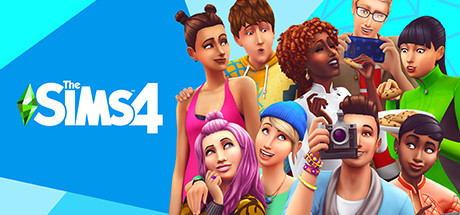
Then there’s The Sims™ 4, whose description invites you to “Play with life and discover the possibilities”—a deceptively gentle phrase for something deeply emotional. Its player review complains about DLC costs and bugs, but misses the quiet truth: TS4 thrives in the micro-drama—a Sim pausing mid-coffee to stare out the window, another practicing guitar at 2 a.m., a romance blooming not in cutscenes but in overlapping schedules, missed calls, and the slow accumulation of shared memories. That’s Hakusenka Academy distilled: no grand villains, just the exhausting, exhilarating work of being known. Hikari’s growth isn’t in winning—it’s in learning to say “I’m tired” instead of “I’ll beat you tomorrow.” TS4 doesn’t let you skip the laundry or the awkward silences—and neither does S.A: Special A.
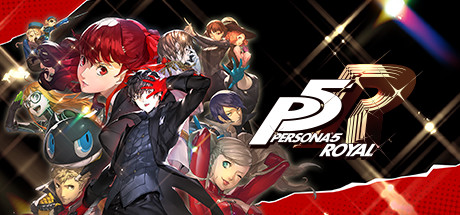
And Persona 5 Royal, with its “stylish turn-based RPG” and “build relations” loop, nails the ritualized intimacy that defines the anime. Its player review praises “the seamless transition between daily life and combat”—exactly how S.A: Special A moves between classroom debates, club meetings, and sudden rooftop confrontations where feelings detonate like flashbangs. In P5R, romance isn’t unlocked with a kiss—it’s earned through rainy-day conversations, gift-giving missteps, and choosing who to be when the world isn’t watching. Hikari doesn’t confess in a rose garden; she does it while holding two bento boxes, her voice cracking mid-sentence, then shoving one into Kei’s hands like it’s evidence. Both works treat emotional labor as action, not exposition.
This pairing sings for the person who cries during cafeteria scenes—who watches a character re-tie their shoelaces three times before walking into a room and feels their chest tighten. For the one who saves game files named “Day 47 — Still Trying.” For the reader who underlines lines like “He remembered my favorite juice” and closes the book, breath held. Not for those who want tidy resolutions—but for those who find holiness in the almost, the again, the still here.
🎮19 Games That Match the Vibe




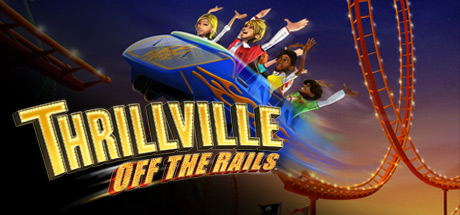

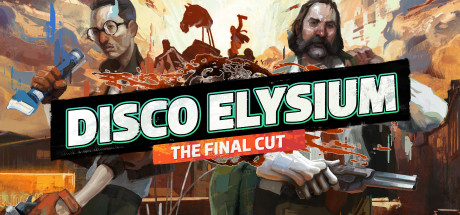
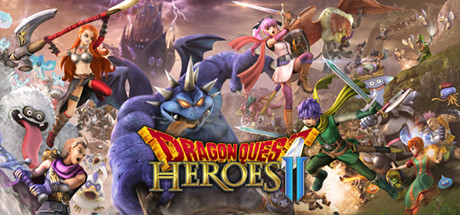
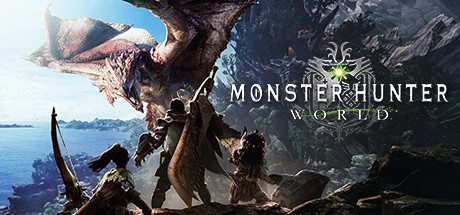

Match Dimensions Explained
❓Frequently Asked Questions
Why does Prince of Persia feel so much like S.A. Special A even though it's an action game?
It’s all about that elite-school energy and sharp romantic tension—like when the Prince and Elika banter mid-parkour across crumbling palaces, mirroring Hikari and Kei’s constant high-stakes academic rivalry and suppressed feelings. The game nails S.A.’s core ‘Romance & Shoujo’ + ‘Comedy & Parody’ vibe (84 score in both) with witty, fast-paced chemistry—not unlike the rooftop confrontations and teasing glances in Special A’s student council scenes.
Is there a visual novel or anime adaptation of S.A. Special A that’s actually playable as a game?
No official visual novel or direct anime-to-game adaptation exists—but The Sims™ 4 comes closest as a sandbox for building that exact world: you can recreate the elite Hakusen Academy dorms, cast Sims as Hikari, Kei, and Takumi, and simulate their rivalries, study dates, and even the infamous ‘top 5 students’ hierarchy. It’s got the same ‘Romance & Shoujo’ + ‘Comedy & Parody’ DNA (81 score), and players love scripting those dramatic confession moments—even if the base game needs DLC to fully shine.
How is Persona 5 Royal different from Dragon Age: Origins if both are ‘Romance & Shoujo’ JRPGs like S.A. Special A?
Persona 5 Royal leans hard into S.A.’s tone: think Ann Takamaki’s bubbly charm and Ryuji’s loud-but-loyal energy mirroring the class clown/straight-laced dynamic of Jun and Megumi, plus daily life in Tokyo echoing Hakusen’s structured yet emotionally charged school rhythm. Dragon Age: Origins, while also scoring 68 in ‘Romance & Shoujo’, goes darker and more political—its romance arcs (like with Leliana or Morrigan) feel weighty and morally complex, not the light, yearning, status-conscious flirtation that defines S.A.’s vibe.
What’s the best game like S.A. Special A if I just want that warm, giddy ‘crush-on-my-rival’ feeling without combat or heavy lore?
Go straight to The Sims™ 4—you can skip the dungeons and dragon-slaying entirely and focus on crafting those perfect ‘accidental’ hallway meetings, competitive study sessions, and blush-worthy gift exchanges between two Sims modeled after Hikari and Kei. Its ‘Romance & Shoujo’ + ‘Comedy & Parody’ alignment (81 score) and player-driven storytelling make it the most accessible, mood-accurate pick—no turn-based timers or skill trees getting in the way of that fluttery, top-5-student-tension energy.