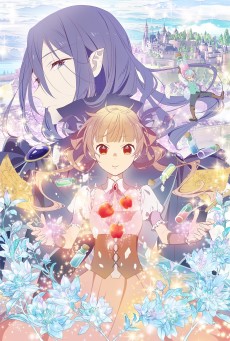
Sugar Apple Fairy Tale
In a world where fairies are bought and sold to the highest bidder, humans aren’t exactly on friendly terms with the fae folk. But friendship is exactly what Anne Halford seeks with Challe, her new fairy bodyguard, though he’s not so keen on the idea. As his new master, Anne tasks him with escorting her through a particularly dangerous area, but with a reluctant bodyguard eager to escape a life of servitude, she’ll have to deal with a lot more than she bargained for...
(Source: Crunchyroll)
📺Anime Details
📝Editorial Analysis
The first time Anne Halford offers Challe a warm sugar apple tart—steam curling from its golden crust, cinnamon dusting the air like powdered starlight—he doesn’t take it. He stares at her hand, then at the pastry, then away, jaw tight. Not with hunger, not with disdain—but with the quiet, flinching weight of being seen while bound in chains he didn’t choose. That moment isn’t about sweetness or magic. It’s about the unbearable tenderness of offering care to someone who’s been taught their worth is measured in coin and compliance.

What makes Sugar Apple Fairy Tale ache so deeply isn’t its medieval setting or fairy lore—it’s how it holds space for slow repair. This is fantasy that breathes like a living thing: cobblestones worn smooth by generations, ink-stained fingers sketching confections under lamplight, the hush before a fairy’s wings unfurl—not as spectacle, but as surrender. It makes you feel the grit of unspoken grief beneath silk gloves, the fragile hope in a shared silence longer than propriety allows. You don’t watch it for plot velocity; you linger in the weight of a glance, the tremor in a voice learning to ask instead of obey. It asks you to consider what freedom tastes like when your body has known only auction blocks—and what love sounds like when your first language was contract law.
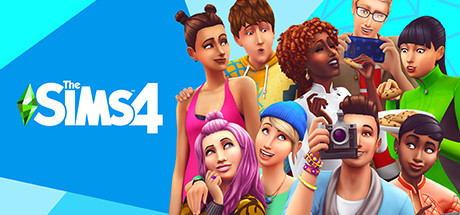
That same emotional resonance hums in The Sims™ 4, not despite its glitches or DLC fatigue, but because of how players describe carving out meaning within its constraints: “Play with life and discover the possibilities.” Like Anne designing sugar sculptures to prove her craft matters, Sims players build homes, nurture relationships, and tend gardens—not for victory points, but for the quiet dignity of choosing how to live. One reviewer complains the game is “no fun without dlc,” yet still returns—just as Anne keeps showing up with pastries, even when Challe turns away. Both are acts of stubborn, domestic healing.
Stardew Valley pulses with the same heartbeat: “You’ve inherited your grandfather’s old farm plot… set out to begin your new life.” That phrase—begin your new life—is pure Sugar Apple Fairy Tale. Anne isn’t just building confections; she’s rebuilding trust, one guarded conversation, one repaired clockwork mechanism, one refused-but-remembered kindness at a time. The player review confesses exhaustion—“Days upon days of constantly running around”—yet that frantic energy mirrors Anne’s own early hustle: racing to prove herself in a world that dismisses orphaned girls and enslaved fairies alike. Both worlds reward patience not as passivity, but as resistance: tending soil, mending fences, stirring batter—small rebellions against systems designed to grind you down.
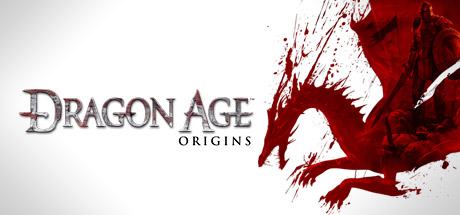
Even Dragon Age: Origins, with its “Dark Fantasy” edge, shares this core tension: “Determine your legacy and fight for Thedas as a noble dwarf, an elf far fr…” That ellipsis feels intentional—like Anne’s own fractured history, like Challe’s erased name. The review notes the “pause attack mechanic is amazing… help a lot to strategist your tactic”—and yes, strategy matters, but what lingers is the weight behind each choice: who you protect, whose story you believe, whether you bargain or break chains. In both, romance isn’t flirty banter—it’s the slow, terrifying vulnerability of letting someone see your scars and still hold your hand.
This pairing isn’t for fans of grand battles or flawless mechanics. It’s for the person who re-watches Anne’s hands tremble as she measures vanilla beans—not because she’s nervous, but because precision is her prayer. It’s for the player who replants the same crop three times just to get the spacing right, not for yield, but for the quiet certainty of making something whole again. It’s for anyone who’s ever offered warmth to someone who flinches—not because they’re broken, but because they’ve forgotten what safety feels like. They’ll recognize themselves in the steam rising from a sugar apple tart, in the pixelated glow of a Stardew barn at dawn, in the pause before a dialogue choice that could change everything. Not because life is easy—but because tenderness, when chosen deliberately, is revolutionary.
🎮5 Games That Match the Vibe


Match Dimensions Explained
❓Frequently Asked Questions
Why does Stardew Valley keep coming up when I search for games like Sugar Apple Fairy Tale?
Because both lean hard into gentle, slice-of-life pacing and heartfelt romance—like courting Emily or Haley while tending your farm, mirroring Anne’s quiet growth and budding relationships in the confectionery world. Players love how Stardew’s seasonal festivals, handwritten letters, and cozy dialogue scenes (think: Abigail’s goth-but-sweet confessions or Leah’s art studio chats) echo Sugar Apple’s tender emotional beats and soft aesthetic.
Is there a Sugar Apple Fairy Tale video game adaptation?
No—there’s no official game adaptation yet. But fans often reach for Stardew Valley or The Sims 4 to recreate that vibe: designing pastel bakeries, styling characters with ribbon-trimmed dresses (à la Anne’s signature look), or roleplaying slow-burn romances with bakers and nobles. The closest you’ll get is building your own Sugar Apple-inspired world in TS4 with custom content—or farming sugar beets and gifting handmade candies in Stardew.
Stardew Valley vs. Prince of Persia—which is better for Sugar Apple Fairy Tale fans?
Stardew Valley, hands down—it matches Sugar Apple’s healing, shoujo-tinged rhythm with its focus on daily rituals, character-driven affection events (like Harvey’s clinic confessions or Maru’s engineering sketches), and low-stakes emotional growth. Prince of Persia, while beautiful and story-rich, leans into action-platforming and mythic stakes (sand time powers, palace sieges), missing the quiet confectionery intimacy and romantic nuance that define Sugar Apple’s charm.
What’s the best game like Sugar Apple Fairy Tale if I just want to feel calm and hopeful?
Stardew Valley is your top pick—its sun-dappled farm mornings, soft chime of the town clock, and heartfelt moments (like entering the mines with a friend who shares your favorite candy) deliver pure, grounded warmth. With an 84 score in Healing & Slow Life—and players raving about how it ‘feels like breathing slowly again’—it’s the most reliable antidote to stress, much like watching Anne perfect her sugar sculptures under golden afternoon light.