Negima!? Magister Negi Magi
📺Anime Details
📝Editorial Analysis
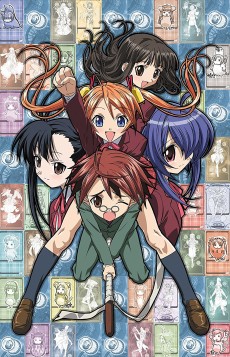
The chalk dust hangs in the afternoon light like suspended magic—Negi Springfield, ten years old and impossibly small, stands on a wobbling stool in front of Class 3-A, gripping a wand that’s longer than his arm. He clears his throat, voice cracking mid-incantation. A student giggles. Another drops her bento lid with a clatter. The spell fizzles into glitter and static. No one panics. No one expects it to work—not yet. That’s the heart of it: the sheer, unvarnished warmth of failure held gently, like something precious.
This isn’t fantasy as spectacle—it’s fantasy as shared breath. Negima!? Magister Negi Magi doesn’t trade in awe or dread; it trades in awkwardness, in the quiet hum of a classroom where vampire girls sip tea beside robot maids, where a boy-teacher stumbles through lesson plans while his students casually summon lightning or rewrite local weather patterns. It’s surreal, yes—but never cold. Never detached. The magic feels lived-in: messy, inconsistent, deeply personal. You don’t watch it to escape adolescence—you watch it because it reveres adolescence, even as it wraps it in absurdity, blushes, and ancient incantations. It makes you feel seen, not because it mirrors reality, but because it treats growing up—the fumbling, the longing, the sudden, startling competence—as sacred and ridiculous all at once.
That emotional DNA pulses strongest in games that weaponize tonal whiplash—not just mixing dark and silly, but letting them breathe together. Take Burning Horns: a Bara Isekai JRPG steeped in Dark Fantasy and Comedy & Parody. Like Negima’s juxtaposition of vampiric lore and cafeteria gossip, Burning Horns doesn’t soften its edges to fit the joke—it leans into contradiction. A demon lord might monologue about existential despair while adjusting his leather gloves mid-sneer, just as Chao Lingshen might deploy a time-bending artifact to fix a broken vending machine. The shared pulse? Earnestness beneath the absurd. Neither flinches from sincerity—even when sincerity wears a thong or quotes Nietzsche mid-battle cry.
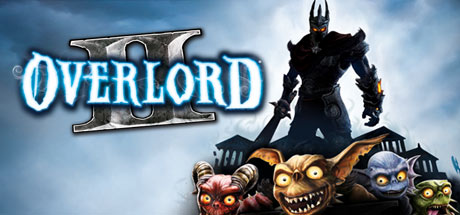
Then there’s Overlord™, where player agency bends morality like light through stained glass: “How corrupt you become depends on how you handle any given situation.” That’s Negima’s core tension, too—not in moral binaries, but in relational weight. Negi’s power isn’t measured in spell tiers, but in whether he notices Asuna’s quiet exhaustion after a fight, or remembers Chisame’s favorite snack before class starts. The Overlord’s choices ripple outward—not just across kingdoms, but through the texture of loyalty, fear, and reluctant affection. Player reviews call it “iconic” and “twisted”, yet also note its “strong Fable vibes”—a nod to systems where consequence isn’t punishment, but recognition. Just like Negima’s harem isn’t about conquest—it’s about who shows up, who listens, who stays when the magic flickers out.
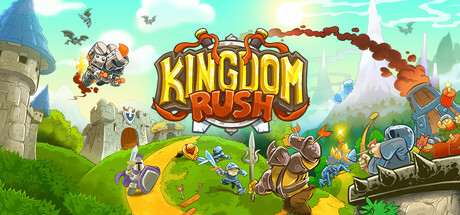
Even Kingdom Rush, the tower defense title tagged with Comedy & Parody and Dark Fantasy, shares this heartbeat. Its goblins wear tiny helmets and mutter complaints as they’re vaporized by lightning towers; its bosses deliver villainous soliloquies while tripping over their own tail. There’s no grand tragedy—just persistent, joyful friction between chaos and care. Like Negima’s school festival arc, where magical mishaps cascade into heartfelt confessions and shared laughter under paper lanterns, Kingdom Rush turns escalation into intimacy. You don’t win by brute force—you win by paying attention, by knowing which tower slows, which one pierces, which one makes everyone giggle when it fires. It’s strategy as tenderness.
This pairing sings loudest for the viewer who still remembers the exact weight of their first notebook filled with doodled spells—and the quiet thrill of realizing, halfway through calculus, that yes, they could be both clumsy and capable, both terrified and luminous. Not the fan who wants clean power fantasies or flawless romance arcs—but the one who treasures the moment Negi’s wand sparks wrong, and instead of silence, the whole class leans in, grinning, waiting to see what beautiful, broken thing happens next.
🎮7 Games That Match the Vibe




Match Dimensions Explained
❓Frequently Asked Questions
Why does Overlord feel like Negima!? Magister Negi Magi despite being about an evil overlord?
Because both lean hard into absurd magical school energy — Negima’s class 3-A chaos mirrors Overlord’s Minions’ slapstick mayhem, and the way Overlord lets you flirt with morality (like Negi juggling heroism and accidental perversion) while juggling a harem of quirky followers (Gloria, Rose, etc.) feels tonally identical. The dark fantasy + comedy + parody blend in Overlord II’s Glorious Empire arc even echoes Negima’s Kyoto arc — magical girls, escalating stakes, and zero chill.
Is there a Negima!? Magister Negi Magi video game adaptation?
No official Negima! game exists — just manga, anime, and light novels. That’s why fans reach for matches like Burning Horns: it nails that same bara-tinged, magic-school-meets-isekai vibe with its over-the-top romantic tension, absurd spellcasting mechanics, and ensemble cast bouncing off each other like Chao Lingshen, Evangeline, and Asuna do in canon.
How does Kingdom Rush compare to Overlord for Negima!? fans?
Kingdom Rush gives you Negima!’s tactical charm — think Negi directing his classmates in battle like a tiny general — but swaps story-driven harem shenanigans for fast-paced tower defense where your ‘students’ are towers named ‘Witch Tower’ or ‘Barracks’ that banter like Evangeline roasting Chachamaru. It’s lighter on lore but hits the same comedic-dark-fantasy sweet spot as Overlord’s more satirical moments.
What’s the best game like Negima!? for when I want chaotic magical school energy without romance overload?
Go straight to Overlord: Raising Hell — it’s got Negima!’s playful magic system (summoning minions instead of pactio cards), classroom-style squad dynamics (your Minions bicker like Class 3-A), and zero romantic subplots. The Fable-esque tone and player-driven chaos let you channel Negi’s earnest leadership *or* Evangeline’s deadpan mischief — all while blowing up villages with fireballs and sarcasm.