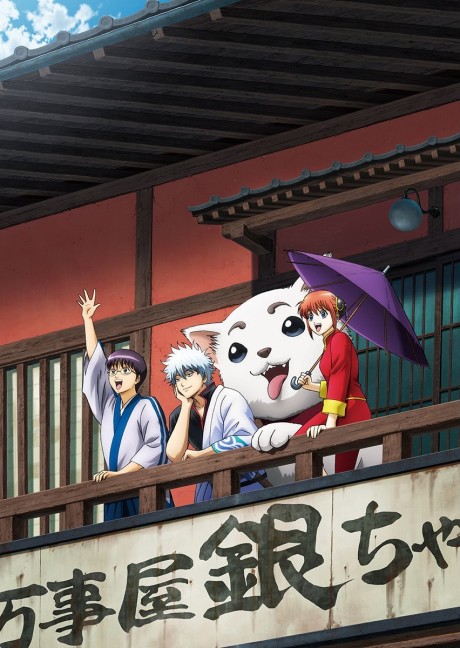
Gintama Season 2 Part 2
While Gintoki Sakata was away, the Yorozuya found themselves a new leader: Kintoki, Gintoki's golden-haired doppelganger. In order to regain his former position, Gintoki will need the help of those around him, a troubling feat when no one can remember him! Between Kintoki and Gintoki, who will claim the throne as the main character?
In addition, Yorozuya make a trip back down to red-light district of Yoshiwara to aid an elderly courtesan in her search for her long-lost lover. Although the district is no longer in chains beneath the earth's surface, the trio soon learn of the tragic backstories of Yoshiwara's inhabitants that still haunt them. With flashback after flashback, this quest has Yorozuya witnessing everlasting love and protecting it as best they can with their hearts and souls.
Gintama': Enchousen includes moments of action-packed intensity along with their usual lighthearted, slapstick humor for Gintoki and his friends.
(Source: MAL Rewrite)
📺Anime Details
📝Editorial Analysis
The smell of burnt sugar and old tatami hits before the first line is spoken—Gintoki’s back in the Yorozuya office, slumped over the counter, hair askew, a half-eaten strawberry daifuku smeared on his cheek, while Kintoki stands perfectly centered in the doorway, golden hair gleaming, posture flawless, holding a teacup like it’s a ceremonial scepter. No one blinks. No one remembers. Not even Shinpachi, who just refills Kintoki’s cup without looking up. That silence—warm, absurd, aching—is where Gintama Season 2 Part 2 lives: not in the swordfights or the sci-fi politics, but in the unbearable lightness of being forgotten by the people who should know you best.
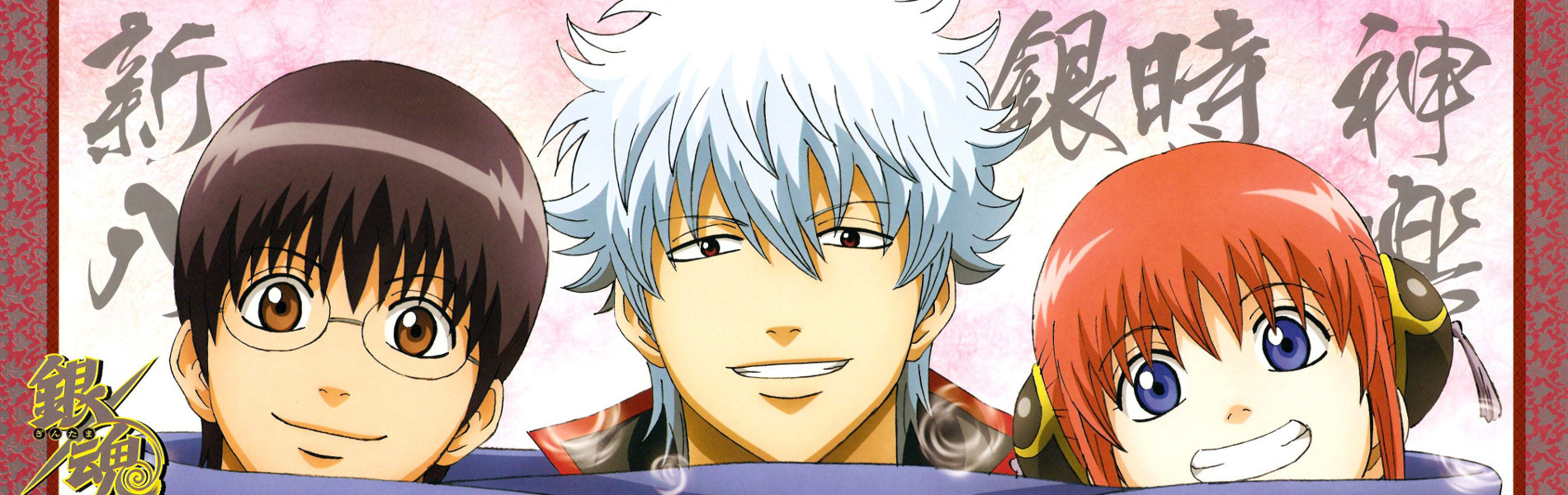
This isn’t just comedy masking drama—it’s comedy wearing memory like a loose kimono, slipping off at the worst moments. You laugh because Kintoki recites Gintoki’s catchphrases with eerie precision while misquoting them just enough to make your stomach drop. You pause mid-snort when Otae quietly folds laundry beside him, her expression unreadable—not angry, not fooled, just tired, as if grief has learned to wear a yukata and serve matcha. The feeling isn’t nostalgia. It’s displacement: the uncanny weight of being replaced not by a rival, but by a mirror polished too brightly—someone who looks like you, talks like you, even smells like you (Kintoki uses the same cheap shampoo), yet carries none of your scars, none of your quiet compromises. It makes you think about how identity clings to routine, to shared dumb rituals—like eating the same terrible convenience-store bento every Tuesday—and what happens when those rituals get hijacked by someone who performs them better.
That exact emotional alchemy—the razor’s edge between parody and pathos, where satire doesn’t dilute sincerity but holds it aloft—is why Precipice of Darkness, Episode One lands so hard. Its description calls it a “Comedy & Parody, JRPG Narrative” built from Penny Arcade’s irreverent DNA, and the player review nails it: “Fun as hell, especially if you enjoy the Penny Arcade style of humor though you don't need to know much about the comics since this is an AU…” Like Gintama, it weaponizes genre fluency—not to mock tropes, but to breathe life into them. When Kintoki delivers a heroic monologue about justice while accidentally stepping on a stray cat, it’s not anti-climax—it’s recalibration, just like when Precipice’s hero unleashes a world-ending spell only to realize he’s cast it on a potted fern. Both trust you to feel the weight and the ridiculousness at the same time.
Then there’s Precipice of Darkness, Episode Two, which doubles down—not with escalation, but with texture. Same comedic rhythm, same self-aware JRPG scaffolding, but now the player review notes something quieter: “Same as my review on episode one though the special attack minigame seems to have some input delay because I swear I am pressing the buttons at the right time…” That tiny, human friction—the gap between intention and execution—is pure Gintama Season 2 Part 2. When Gintoki tries to reassert himself by doing his usual lazy-boss schtick, only to find Kintoki has already optimized the Yorozuya’s workflow (tracking client complaints in color-coded scrolls, offering free tea refills), it’s not failure—it’s lag in the system of belonging. Both works understand that love, loyalty, and leadership aren’t grand declarations; they’re messy, slightly out-of-sync inputs in a world that keeps demanding perfect timing.
And then there’s Assassin's Creed™: Director's Cut Edition, a title whose description brands it a “Political Thriller, Dark Fantasy” that “redefines the action genre”—yet the player review starts with humility: “I should probably start with the flaws first. Being an older game now, some of the models and textures are quite dated but no issues with me…” That admission—that beauty and meaning persist despite technical imperfection—is the soul of Gintama’s Yoshiwara arc. When the Yorozuya walks back into that red-light district—not for spectacle, but for an elderly courtesan searching for a lover lost decades ago—the lighting is soft, the music sparse, the jokes muted. There’s no grand battle. Just aging hands tracing faded ink on a letter, and Gintoki silently handing her his umbrella when it rains. Like Assassin's Creed’s dusty, imperfect render of Jerusalem, Gintama’s Yoshiwara feels lived-in, flawed, tender—its power rooted not in polish, but in presence.
This pairing isn’t for fans of “action-comedy” as a checklist. It’s for the person who rewatches the scene where Shinpachi finally does recognize Gintoki—not with a shout, but by instinctively handing him the wrong cup of tea (the chipped one Gintoki always uses), and who then pauses the episode just to stare at that single frame. It’s for the player who lingers in Precipice’s dialogue trees not to win, but to hear the characters trip over their own metaphors. It’s for the one who walks the rooftops of Assassin's Creed, not hunting targets, but watching pigeons scatter—feeling the wind, the weight, the quiet truth that some things endure not because they’re perfect, but because they’re remembered.
🎮9 Games That Match the Vibe



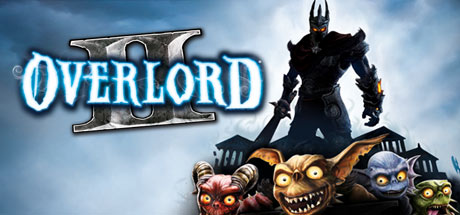
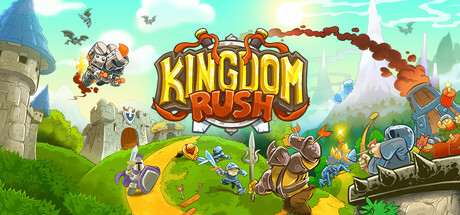
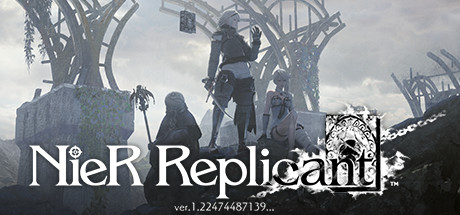
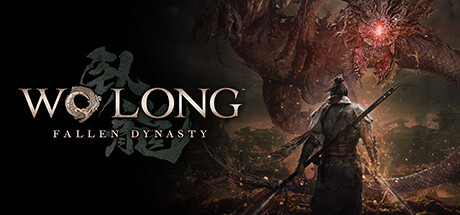
Match Dimensions Explained
❓Frequently Asked Questions
Why is Precipice of Darkness Episode Two recommended for Gintama Season 2 Part 2 fans?
Because both lean hard into absurd, fourth-wall-breaking comedy with rapid-fire parody—like when Gintama’s Kagura crashes a Shinsengumi meeting in full ramen-stained chaos, Precipice’s Episode Two drops you into a surreal JRPG battle where your party argues about snack preferences mid-boss fight. The Penny Arcade-style dialogue, self-aware narration, and tonal whiplash (sudden sincerity after slapstick) mirror Gintama’s signature rhythm, especially the 'Shinpachi’s existential crisis over cheap curry' energy.
Is there a video game adaptation of Gintama Season 2 Part 2?
No—there’s never been an official Gintama game covering Season 2 Part 2 specifically. The closest licensed titles are older Japan-only DS games like Gintama: The Very Final or Gintama: Enchōsen, but they’re not adaptations of that arc. That’s why fans turn to tonal matches like Precipice of Darkness Episode One & Two: same chaotic JRPG structure, same meta-humor during cutscenes, and characters who riff on genre tropes just like Gintama’s Hijikata roasting shonen clichés while eating mayonnaise straight from the jar.
Precipice of Darkness Episode One vs. Episode Two—which is better for Gintama vibes?
Episode Two edges it out *just* for its tighter pacing and even more unhinged parody—like how Gintama’s ‘Benizakura Arc’ finale mixes swordplay with sudden musical numbers, Episode Two adds that special-attack minigame where button presses feel intentionally janky (per the player review), mirroring Gintama’s love of breaking immersion for laughs. Both nail the comedy/JRPG blend, but Episode Two doubles down on the ‘why is this serious? oh wait—no, it’s not’ whiplash that defines Season 2 Part 2’s tone.
What’s the best game like Gintama Season 2 Part 2 if I want chaotic humor + heartfelt moments?
Precipice of Darkness, Episode One—it’s got that exact emotional whiplash: one minute you’re laughing at your character getting roasted by a sentient vending machine (like Gintama’s ‘Yamazaki’s lies’ gags), the next you’re quietly bonding with a side character over shared loneliness, all wrapped in classic JRPG narrative pacing. The comic-book art style and AU storytelling let it pivot from ridiculous to tender without whiplash—just like when Gintama cuts from Okita’s fake death prank to his real, quiet grief over Sougo’s past.