
JoJo's Bizarre Adventure (TV)
Beginning its tale in 19th century England, young aristocrat Jonathan Joestar finds himself locked in bitter rivalry with Dio Brando, a low-born boy who Jonathan's father took under his wing after the death of Dio's father. Discontent with his station in life, Dio's fathomless lust to reign over all eventually leads him to seek the supernatural powers of an ancient Aztec stone mask in the Joestar's possession—an artifact that will forever change the destiny of Dio and Jonathan for generations to come.
Fifty years later, in 1938 New York City, Jonathan's grandson Joseph Joestar must take up his grandfather's mission and master the abilities necessary to destroy the stone mask and its immensely powerful creators who threaten humanity's very existence, the Pillar Men.
(Source: Anime News Network)
📺Anime Details
📝Editorial Analysis
The first time Dio’s hand bursts through Jonathan’s chest—not with gore, but with grace, fingers splayed like a conductor summoning thunder—it doesn’t feel like violence. It feels like inevitability. The rain in that London garden isn’t just weather; it’s static before lightning. Jonathan’s gasp isn’t shock—it’s recognition: the moment lineage fractures, legacy curdles, and time itself bends under the weight of a vow made in blood and betrayal. That scene isn’t spectacle. It’s gravity.
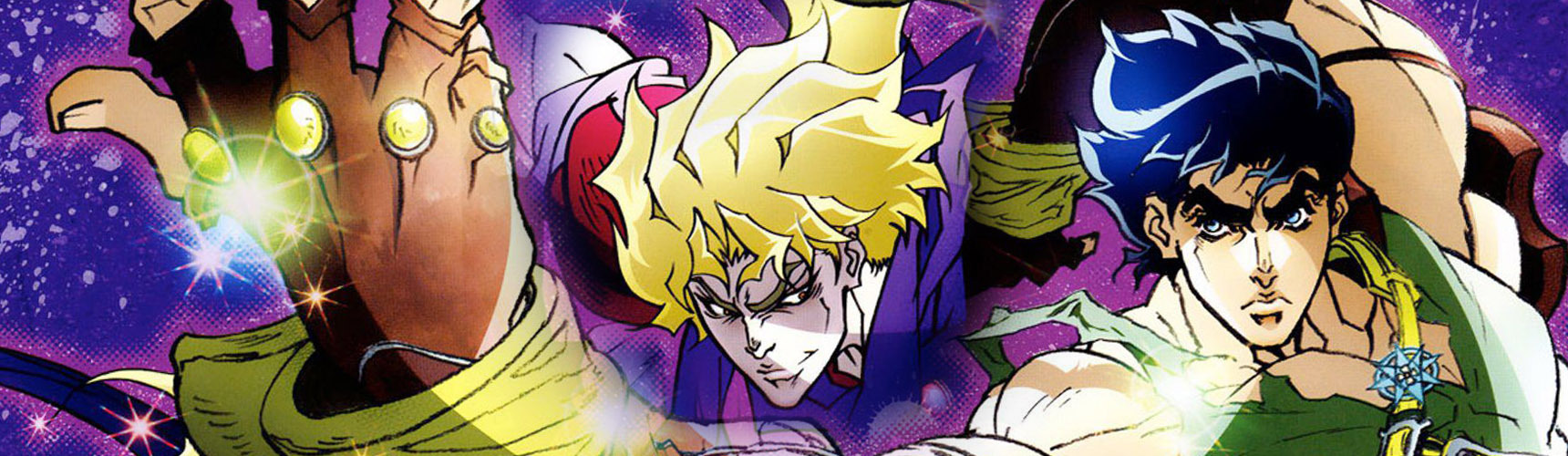
What makes JoJo's Bizarre Adventure (TV) vibrate at this frequency isn’t its supernatural mechanics or even its flamboyant poses—it’s how deeply it treats consequence as architecture. Every time skip isn’t just narrative convenience; it’s a scar tissue forming across generations. You don’t watch the Joestars survive—you watch them inherit trauma like heirlooms: Jonathan’s shattered idealism, Joseph’s restless guilt, Jotaro’s clenched silence—all forged in the same furnace of vengeance and vampiric corruption. It’s urban fantasy not because of cobblestones and clock towers, but because the city—the world—is built on buried histories, and every stone mask, every Stand arrow, every inherited scar is a fissure where the past bleeds into the present. It makes you feel dread, yes—but also reverence: for bloodlines, for vows, for the terrible, beautiful weight of carrying forward what was never yours to hold.
That same emotional gravity pulses through The Witcher 3: Wild Hunt, where Geralt’s search for Ciri isn’t just a quest—it’s a father’s reckoning with time, loss, and the slow erosion of control. The player review nails it: “DLC announced 11 years after release, my favourite game keeps getting better…”—that’s not nostalgia. That’s the endurance of consequence, the way grief and love accrue layers over decades, just like the Joestar bloodline stretching from Victorian England to modern-day Japan. Both demand you sit with decisions long after the screen fades—Geralt choosing between Yennefer and Triss isn’t romance; it’s choosing which wound to keep open. Like Jonathan choosing mercy for Dio, only to watch it metastasize into centuries of ruin.
Then there’s Prince of Persia: Warrior Within, where the Dahaka isn’t a boss—it’s time made manifest, a relentless, hissing embodiment of guilt that cannot be outrun, only outmaneuvered through memory and sacrifice. The player says: “I have replayed this game after a decade cause this is my childhood completing it was a journey, dahaka chase is still as goated as it was before…” That “goated” isn’t about difficulty—it’s about resonance. The Dahaka mirrors Dio’s return: not as a villain reappearing, but as an inescapable law of physics, a force that reasserts itself because the past wasn’t closed—it was postponed. Just as Joseph must confront the ghost of his grandfather’s failure, the Prince runs not from a monster, but from the echo of his own choices—exactly how JoJo's Bizarre Adventure (TV) frames revenge: not as catharsis, but as recursion.
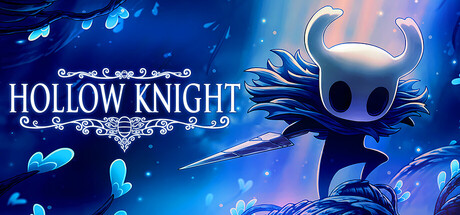
And Hollow Knight, though insectoid and silent, breathes the same air. Its ruined kingdom isn’t abandoned—it’s haunted by duty, by failed ascensions, by monarchs who became vessels for something older and hungrier. The player review calls it “Lovely story. Hard gameplay. 10/10…”—that “lovely” is key. It’s the same bittersweet ache as watching Jotaro kneel beside Joseph’s hospital bed, or seeing Lisa Lisa’s final, unspoken smile. There’s no triumph without exhaustion, no beauty without decay. Like the Joestars fighting not for victory, but for continuity, Hollow Knight’s knight walks halls where every mural whispers of ancestors who tried—and fell—so you might stand, however briefly, in their light.
This pairing isn’t for fans of “cool powers” or “epic battles.” It’s for the ones who pause mid-fight to trace the cracks in a character’s voice—the ones who remember how Jonathan’s laugh changed after the garden, who replay the Dahaka chase not to win, but to feel that breathless, inevitable pursuit again, who name their save files after dead kings and lost lovers. It’s for people who understand that the most devastating Stands aren’t the ones that shatter stone—they’re the ones that make you whisper, “I would do the same.”
🎮11 Games That Match the Vibe


Match Dimensions Explained
❓Frequently Asked Questions
Why does the Dahaka chase in Prince of Persia: Warrior Within feel so JoJo-esque?
Because that relentless, time-bending pursuit mirrors JoJo's 'stand-off' tension—Dahaka isn’t just chasing you; he’s a physical manifestation of consequence, warping environments and reappearing with eerie inevitability, just like Stands hunting their targets across stairwells or deserts. The game’s gritty art style, sudden camera shifts during combat, and that iconic sand-scorched grit (especially in the Island of Time) nail JoJo’s blend of theatrical dread and stylish momentum.
Is there a JoJo's Bizarre Adventure video game adaptation?
No official JoJo TV anime adaptation exists as a full game—but Prince of Persia: Warrior Within comes closest in *spirit*: its time-manipulation mechanics, morally grey stakes, and over-the-top boss fights (like the Dahaka’s multi-phase ambushes) channel JoJo’s rhythm and flair far more than any licensed JoJo title. Fans consistently cite its ‘goated’ chase sequences and operatic tone as the most authentically ‘JoJo-like’ experience on the list.
Hollow Knight vs. The Witcher 3: which is better for that melancholic, lore-dense JoJo vibe?
Hollow Knight wins for raw, environmental storytelling and tragic grandeur—think the silent weight of Hallownest’s fallen kingdom mirroring Morioh’s buried secrets or the Pillar Men’s ancient hubris. While Witcher 3 delivers richer dialogue and branching emotional stakes (like Geralt choosing between Yenn and Triss), Hollow Knight’s wordless encounters—like meeting the Hollow Knight itself or uncovering the Abyss Shells—hit with the same poetic, devastating resonance as Dio’s final monologue or Jotaro’s quiet resolve.
What’s the best game like JoJo’s Bizarre Adventure if I want that intense, high-stakes ‘battle cry’ energy?
Prince of Persia: Warrior Within—it’s got the closest thing to JoJo’s signature ‘battle cry’ adrenaline: every parry, wall-run, and time-slowing slash feels punctuated by visceral audio cues and dramatic camera snaps, especially during Dahaka’s surprise attacks. That ‘WAAAAAH!’-level commitment to timing, spectacle, and escalating stakes (like sprinting through collapsing ruins while your pursuer bursts through walls) captures JoJo’s unapologetic, fist-pumping rhythm better than any other title here.