
Ranking of Kings
Unable to hear, speak, or wield a sword, Prince Bojji doesn’t seem like a typical heir to the throne—and his kingdom agrees. But his fateful encounter with Kage, a shadow on the ground, gives him his first true friend. The two set off on a grand adventure and, together, form a bond that can overcome any obstacle...even being king.
(Source: Funimation)
📺Anime Details
📝Editorial Analysis
The silence before Bojji’s first sword strike — not the absence of sound, but the weight of it — that’s where Ranking of Kings lives. His hands tremble, not from fear, but from the sheer physical labor of translating intent into motion: lips pressed tight to hold breath, shoulders braced against gravity, feet rooted like saplings in damp earth. He doesn’t hear the crowd’s hush. He feels it — in the stillness of Kage’s shadow beside him, in the way his father’s crown glints just a fraction too coldly in the sun. That moment isn’t about weakness. It’s about presence: a boy whose entire body is a language no one taught him how to read — until one day, a shadow did.
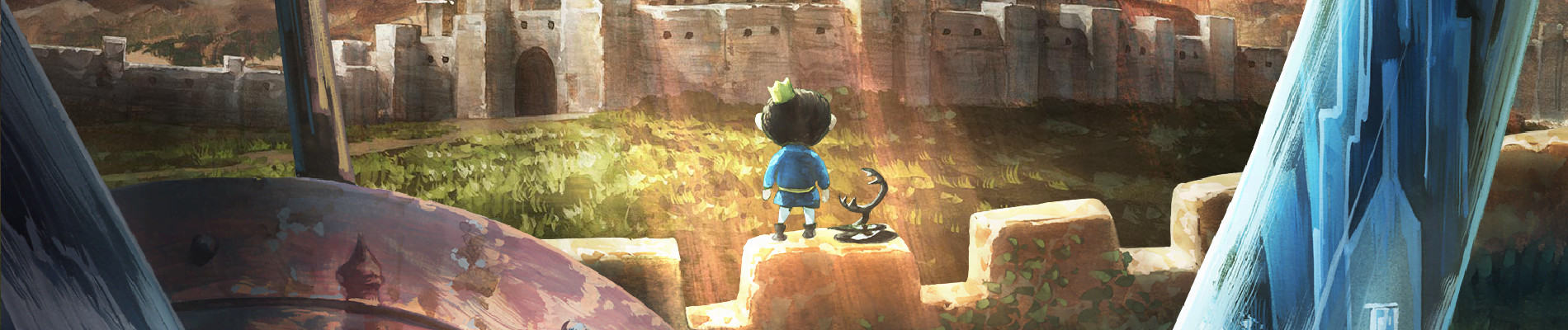
What makes Ranking of Kings ache so deeply isn’t its fairy-tale trappings or medieval swords — it’s how it treats vulnerability as narrative gravity. Every glance away, every misread gesture, every time Bojji signs something urgent and is met with polite dismissal — it doesn’t build tension through stakes alone. It builds it through recognition. You don’t just watch Bojji struggle to be seen; you remember what it feels like to speak clearly and still be unheard. The world isn’t cruel by design — it’s indifferent, humming along in a key Bojji can’t tune into. And yet — the warmth of Kage’s loyalty, the quiet dignity of Queen Hiling, the way Bojji’s small hands learn to grip a blade not as weapon, but as extension — all of it insists that tenderness isn’t softness. It’s resistance. It’s fierce.
That same emotional DNA pulses in The Witcher 3: Wild Hunt, where Geralt moves through a continent scarred by war and prejudice — not as an invincible force, but as a man whose body bears old wounds and whose voice carries the exhaustion of too many choices made in silence. The description calls it a “war-torn, monster-infested continent you can explore at will” — but what lingers isn’t the scale, it’s the intimacy: the way Geralt kneels to listen to a child’s whispered fear, or pauses mid-combat to translate a dying man’s last words. A player review notes the DLC arriving “11 years after release… my favourite game keeps getting better” — that longevity isn’t just about content. It’s about emotional resonance holding steady across time, much like Bojji’s bond with Kage deepens not through grand declarations, but through shared silences, repeated gestures, unbroken presence.
Then there’s Dragon Age: Origins, where your legacy isn’t written in conquest, but in who you choose to trust when the world fractures. The description asks: “What will be said about the hero who turned the tide against the darkspawn?” — but the real question is quieter: Who do you become when no one expects you to lead? Like Bojji, the Grey Warden begins diminished — exiled, underestimated, linguistically and socially adrift in courts that speak in veiled threats and coded slights. A player review praises the “pause attack mechanic” — not just as tactical tool, but as emotional breathing room: the ability to stop time, weigh consequence, choose compassion over reflex. That deliberate slowness mirrors Bojji’s sign-language — each motion considered, each connection earned, each act of courage built not on speed, but on intention.
And Dark Messiah of Might & Magic, with its “ferocious combat in a dark and immersive world,” lands differently when you remember Bojji’s first real fight — not flashy, not loud, but grounded, brutal, intimate. The description highlights “Action Spectacle,” yet the player review zeroes in on “fantastic melee combat that still holds up pretty well today.” What endures isn’t spectacle for spectacle’s sake — it’s the physical truth of impact: the jolt of a parry, the stumble after a missed step, the way power isn’t abstract, but bodied. Bojji doesn’t swing a sword like a prince. He swings it like someone who has spent his life learning how his own weight moves — and that’s why, when he finally lands a hit, it lands in you.
This pairing isn’t for fans of “epic battles” or “deep lore dumps.” It’s for the person who rewatched Bojji’s coronation scene three times — not for the crown, but for the way Kage’s shadow curls protectively around Bojji’s ankles as he walks forward, unsteady, certain, alive. It’s for the player who paused The Witcher 3 mid-quest to sit with a grieving mother, or who saved Dragon Age not to optimize stats, but to keep a friend’s promise intact. It’s for anyone who’s ever been told their voice doesn’t count — and kept speaking anyway, slowly, clearly, fiercely.
🎮46 Games That Match the Vibe

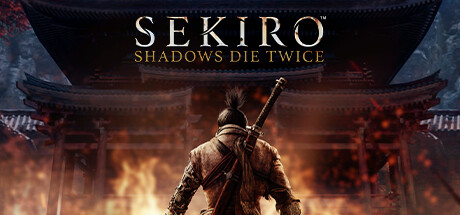
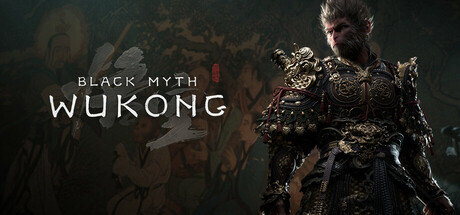
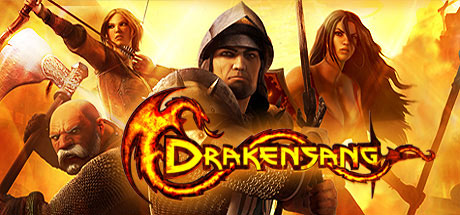
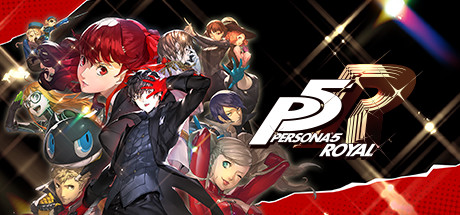




Match Dimensions Explained
❓Frequently Asked Questions
Why does Ranking of Kings feel so similar to The Witcher 3 despite being an anime?
Both lean hard into morally gray choices with real emotional weight—like Geralt choosing between saving Ciri or fulfilling a contract, or Bojji silently enduring betrayal while his world unravels. The shared 'Dark Fantasy + Emotional Narrative' dimension means you’ll get that same ache in your chest during quiet character moments, especially when dealing with outcasts (Bojji/Ciri) and broken kingdoms.
Is there a game adaptation of Ranking of Kings?
No official game adaptation exists yet—but if you're craving that same tone and depth, Dragon Age: Origins nails the 'JRPG Narrative + Emotional Narrative' blend with its legacy-defining choices, like deciding the fate of a casteless elf or sacrificing a friend for the greater good. Its pause-and-attack combat even mirrors how Bojji carefully times every action—thoughtful, consequential, never flashy for flashiness’ sake.
How is Dark Messiah of Might & Magic different from Assassin's Creed: Director's Cut Edition?
Dark Messiah leans into visceral, physics-driven melee chaos—think kicking enemies off cliffs or impaling three foes on one spear—while Assassin’s Creed (Director’s Cut) is all about political intrigue, rooftop parkour, and stealthy assassinations in a meticulously crafted historical setting. Both share 'Dark Fantasy' and 'Political Thriller', but Dark Messiah’s raw, improvisational combat feels closer to Bojji’s unpredictable, high-stakes fights than AC’s methodical, almost balletic takedowns.
What’s the best game like Ranking of Kings if I want that bittersweet, hopeful-under-darkness vibe?
The Witcher: Enhanced Edition Director’s Cut is your perfect match—it’s got that same tender-but-tragic heart, where Geralt’s dry wit and loyalty echo Bojji’s quiet resilience, and scenes like his reunion with Yennefer hit with the same fragile warmth as Bojji and Kage’s bond. Its 'Dark Fantasy + Emotional Narrative' score of 82 and player love for its consequences-heavy storytelling make it the most tonally faithful pick.