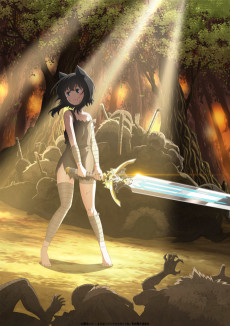
Reincarnated as a Sword
Some isekai protagonists are reincarnated as powerful warriors or skilled wizards, but our protagonist was reborn in another life as a sentient sword! He’s taken up by Fran, a desperate girl fleeing evil-doers intent on selling her into slavery. With her new weapon’s help and guidance, she’s able to strike down her captors and secure her freedom. Together, this unconventional master-student duo embark on an epic journey to liberate those in need and exact justice on the cruel of heart.
(Source: Sentai Filmworks)
Note: Episode 1 was streamed in advance on September 28, 2022 on AbemaTV. The regular TV broadcast began on October 5, 2022.
📺Anime Details
📝Editorial Analysis
The first time Fran raises the sword—not to strike, but to listen—her knuckles are raw, her breath shallow, and the blade hums—not with magic, but with quiet, unwavering presence. No grand explosion, no thunderous declaration: just steel vibrating at the exact frequency of her pulse, syncing before she even swings. That hum is the heart of Reincarnated as a Sword: not power as spectacle, but power as witness, as covenant, as something that chooses to hold space for another’s trembling hand.
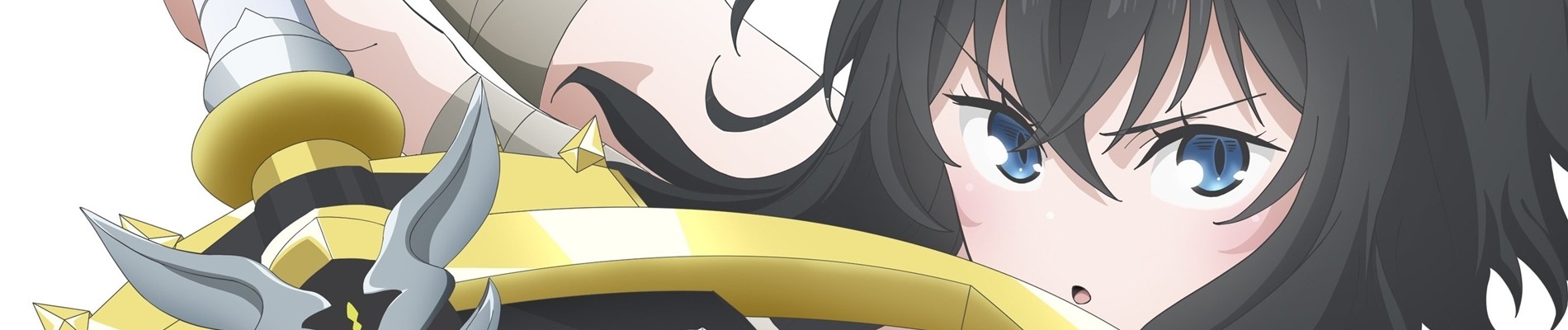
What makes this anime breathe differently isn’t its isekai framework or kemonomimi flourishes—it’s the weight of quiet devotion. This is fantasy stripped of ego: no chosen-one monologues, no vaults of loot, no throne-room politics. It’s the ache in Fran’s shoulders after hours of stance practice; the way the sword’s voice doesn’t correct her form with impatience, but pauses, then rephrases the lesson slower. It makes you feel the profound relief of being seen without condition—not as a vessel for destiny, but as a girl learning how to stand upright in a world that tried to break her spine. It asks you to consider what loyalty looks like when it has no body to kneel, no tongue to swear oaths—just resonance, repetition, and the slow, sacred accumulation of trust.
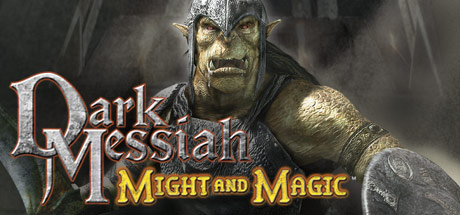
That emotional DNA pulses strongest in Dark Messiah of Might & Magic, where players don’t just swing a sword—they feel it. The description names “ferocious combat,” but the player review nails the soul of it: “A fantastic melee combat game that still holds up pretty well today.” Not flashy combos or QTE spectacles—ferocious, yes, but also tactile, grounded, intimate. Like Fran learning to pivot on wet stone, every parry and riposte carries consequence, weight, fatigue. The sword isn’t an extension of will—it’s a partner in physics, demanding timing, respect, and adaptation. And that “emotional narrative” dimension? It mirrors the anime’s core: Geralt isn’t the only one who chooses his path—he’s surrounded by characters whose arcs hinge on quiet, stubborn fidelity—Yennefer’s sacrifice, Triss’s resolve, Vesemir’s final stand—all echoing the sword’s silent, unyielding commitment to Fran’s growth.
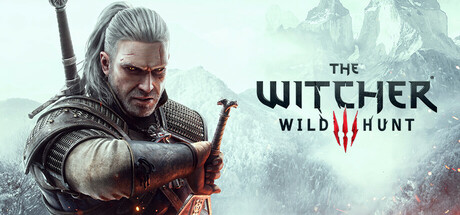
Then there’s The Witcher 3: Wild Hunt, where the description frames Geralt as a “mercenary monster slayer” tracking “Ciri—the Child of Prophecy,” but the player review reveals the real throughline: “DLC announced 11 years after release, my favourite game keeps getting better…” That longevity isn’t about content volume—it’s about emotional endurance. Like Fran and the sword’s journey across seasons, maps, and moral thresholds, Geralt’s story deepens not through escalation, but through return—revisiting places, people, promises. The “dark fantasy” dim isn’t just gothic set-dressing; it’s the texture of hard-won hope, where kindness persists despite rot, not because it’s absent. Fran freeing slaves isn’t a quest log checkbox—it’s the same visceral, weary, necessary justice Geralt delivers in Novigrad’s alleys or Skellige’s cliffs: small, human, unavoidable.
Even Sacred Gold, flawed and janky as the review bluntly states—“Full of jank, bugs and is not very stable”—carries a flicker of that same spirit. Its description evokes “a shadow of evil” falling on Ancaria, calling for “champions” to journey into “perilous” lands. Not kings or gods—but champions: ordinary souls stepping up, weapon in hand, not because they’re destined, but because someone needs them to. That ragged, earnest urgency—the sense that the world is broken now, and you’re holding the only thing sharp enough to cut through the lie—is the same pulse that sends Fran sprinting barefoot into the forest, sword humming against her back.
This pairing isn’t for fans of power fantasies or lore dumps. It’s for the ones who cry when a character finally lands a perfect block after fifty failed attempts. For players who replay Geralt’s campfire conversations not for plot, but for the warmth in his voice when he says “I’m here.” For viewers who watch Fran’s ears flatten in fear—not as fan service, but as biological truth—and feel their own chest tighten. It’s for people who believe the most radical act in a broken world isn’t winning a war—but choosing, again and again, to hold the line with someone else’s hand on your hilt.
🎮10 Games That Match the Vibe


Match Dimensions Explained
❓Frequently Asked Questions
Why is Dark Messiah of Might & Magic listed as a match for Reincarnated as a Sword when it’s not an isekai?
Great question—it’s not about the isekai trope, but the visceral, weighty swordplay and dark fantasy tone. In Dark Messiah, you’re literally kicking enemies off cliffs and dismembering orcs with physics-based melee combat—exactly the kind of action spectacle that mirrors the sword’s sentience and brutal efficiency in Reincarnated as a Sword. Plus, its emotional narrative (like the tragic arc of Leanna) gives that same grounded, morally grey gravity fans love.
Is there an anime or game adaptation of Reincarnated as a Sword?
No official anime or game adaptation exists yet—but Sacred Gold and Dark Messiah of Might & Magic are the closest *spiritual* matches in gameplay and vibe. Sacred Gold throws you into Ancaria’s crumbling kingdoms to battle orcs and undead with clunky-but-satisfying real-time combat, while Dark Messiah lets you channel your inner sentient blade through environmental takedowns and gritty, consequence-laden choices.
How does The Witcher 3 compare to The Witcher: Enhanced Edition Director's Cut for Reincarnated as a Sword fans?
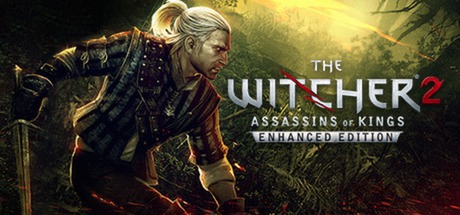
If you love the sword-as-protagonist angle, go for The Witcher: Enhanced Edition—it’s rawer, more intimate, and Geralt’s early bond with Yennefer (and those tense, dialogue-driven confrontations) echoes the sword’s evolving relationships with its wielder. The Witcher 3 expands the world massively, but its polished systems sometimes soften that primal ‘weapon-with-will’ intensity—the original EE’s janky combat and tighter character focus hit closer to the LN’s vibe.
What’s the best game like Reincarnated as a Sword if I want that brooding, emotionally heavy dark fantasy vibe—not just flashy combat?
The Witcher 2: Assassins of Kings Enhanced Edition is your best bet. Its political intrigue, morally gut-punching choices (like deciding who lives or dies in Flotsam), and Geralt’s quiet, burdened presence mirror the sword’s introspective narration and slow-burn loyalty arcs. Reviewers even call it ‘more thoughtfully designed’ than its sequel—perfect if you’re craving depth over spectacle.