
Undead Unluck
All Fuuko wants is a passionate romance like the one in her favorite shoujo manga. Unfortunately, her Unluck ability makes that impossible. But just as Fuuko hits rock bottom, Andy sweeps her off her feet—literally! Now she's become Andy's unwilling test subject as he works to find a way to trigger a stroke of Unluck big enough to kill him for good. However, when the pair discovers a secret organization is hunting them, it puts Andy's burial plans on hold.
(Source: VIZ Media)
📺Anime Details
📝Editorial Analysis
Fuuko’s hand trembles—not from fear, but from the weight of her own touch. She reaches for a boy’s sleeve, just once, just to feel fabric under her fingers—and the world fractures: glass shatters three blocks away, a pigeon drops dead mid-flight, a stranger collapses with a cerebral hemorrhage. That single, quiet, devastating failure to connect—without violence, without spectacle, just silence and consequence—is where Undead Unluck lives.
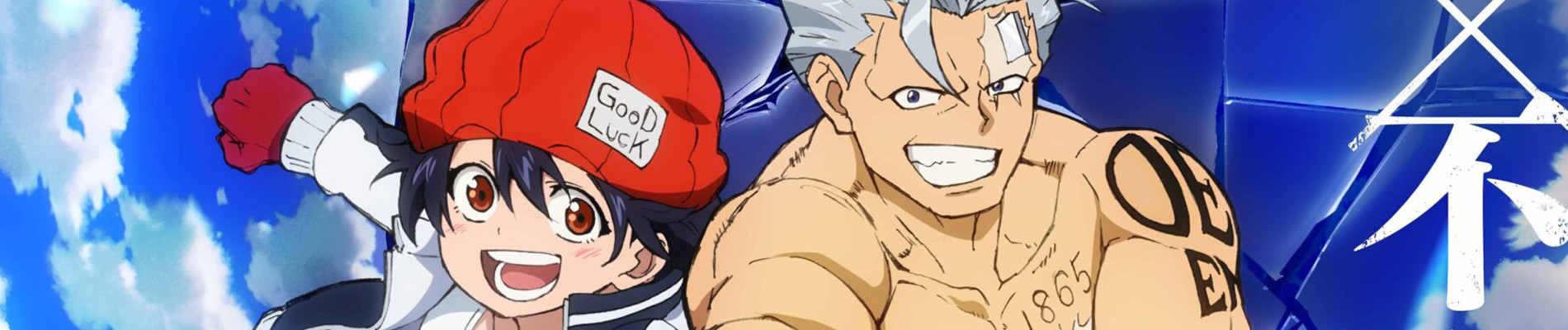
This isn’t cosmic horror as spectacle. It’s cosmic horror as intimacy. The dread doesn’t come from eldritch gods looming in the void—it comes from knowing your love language is literal entropy. Fuuko’s Unluck isn’t a weapon or a curse you wield; it’s a condition that rewrites causality around her like static on a live wire. Every laugh risks a fall. Every glance risks a fracture. And Andy? He doesn’t flinch—he leans in, his undead body absorbing her misfortune like breath, his calm smile a quiet rebellion against inevitability. That tension—the ache of wanting tenderness while being wired to unmake it—creates an atmosphere thick with grief, longing, and dark, gallows humor. You don’t just watch Undead Unluck—you hold your breath when someone reaches for Fuuko’s hand, and you exhale only when nothing breaks.
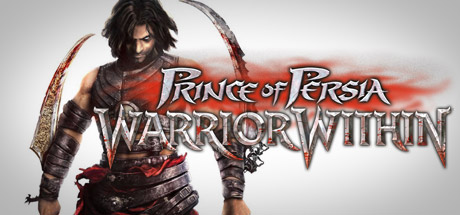
That same suffocating intimacy pulses through Prince of Persia: Warrior Within. Its description names Dahaka—an “immortal incarnation of Fate”—and the player review nails it: “Dahaka chase is still as goated as it was before.” Not a boss. Not a monster. A consequence made flesh, hunting the Prince not for malice, but because time itself demands balance. Like Fuuko’s Unluck, Dahaka isn’t evil—he’s physics given teeth and shadow. Every leap, every rewind, every narrow escape feels less like victory and more like delaying the inevitable collapse of cause and effect. The Prince runs from himself, just as Fuuko runs from connection—both trapped in loops where survival demands emotional austerity.
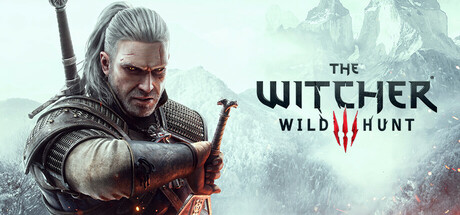
Then there’s The Witcher 3: Wild Hunt, where Geralt hunts Ciri across a continent “war-torn, monster-infested” and explored at will. The player review says it keeps growing—“DLC announced 11 years after release, my favourite game keeps getting better…”—because its world refuses to simplify. Like Undead Unluck, it treats tragedy not as punctuation but as grammar. Fuuko’s dissociative identities aren’t plot devices—they’re survival mechanisms, layered like Geralt’s scars: earned, unspoken, woven into daily motion. Both refuse catharsis on demand. When Geralt kneels beside a broken child in a ruined village, or when Fuuko stares at her reflection while whispering “I’m fine” to herself—neither offers solace. They offer recognition: that love persists despite trauma, not after it’s resolved.
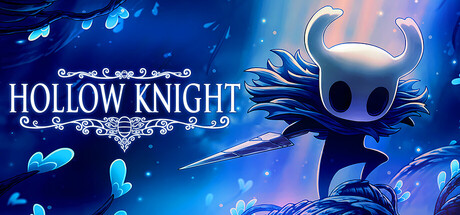
And Hollow Knight—with its “vast ruined kingdom of insects and heroes,” its “tainted creatures” and “bizarre bugs”—mirrors Undead Unluck’s urban fantasy texture: decay isn’t backdrop, it’s character. The player review calls it “Beautiful art style. Great OST. Lovely story. Hard gameplay. 10/10…”—but what lingers isn’t the difficulty, it’s the quiet sorrow in every abandoned chapel, every hollowed-out shell of a god. Fuuko walks Tokyo streets the same way the Knight walks Hallownest: past graffiti that reads like prayers, past alleys humming with suppressed power, past people who’ve stopped believing in rescue. Both understand that horror isn’t always screaming—it’s the soft, wet sound of something ancient remembering how to breathe.
This pairing isn’t for fans of “cool powers” or “epic battles.” It’s for the person who replays Warrior Within not for the swordplay, but for the way Dahaka’s footsteps echo just behind you in silence—like Fuuko hearing her own heartbeat before a misfortune strikes. It’s for the one who still cries at Geralt’s letter to Yennefer, not because it’s romantic, but because it’s exhausted, tender, and utterly unvarnished—like Andy handing Fuuko a slightly crushed melon soda after she accidentally vaporizes a vending machine. It’s for the player who sits still after Hollow Knight’s final screen, staring at the ash, feeling the weight of all the things left unsaid, unburied, unforgiven—and nods, softly, because they know that kind of quiet. They don’t want escape. They want resonance. They want stories that treat grief like gravity—and love like the stubborn, beautiful thing that bends it.
🎮18 Games That Match the Vibe





Match Dimensions Explained
❓Frequently Asked Questions
Why does Undead Unluck feel so similar to Hollow Knight’s vibe?
Both lean hard into melancholic worldbuilding and quiet, atmospheric dread—like Hollow Knight’s Hall of Gods or the Abyss, where you’re surrounded by faded grandeur and tragic echoes of lost heroes. The emotional weight of silent ruins, morally grey insectoid lore, and a lone protagonist uncovering buried truths (think Hollow Knight’s Nailmaster lore vs. Undead Unluck’s fractured immortality myths) hits the same nerve. Plus, that punishing-but-fair combat rhythm? Hollow Knight’s nail arts and parry timing mirror how Undead Unluck makes every dodge and ability activation feel consequential.
Is there an Undead Unluck video game adaptation in development?
Not yet—and nothing’s been announced by Bandai Namco, Aniplex, or the manga’s publisher Shueisha. Right now, the closest official interactive experience is still fan-made mods or unofficial browser games. If you're craving that same blend of time-bending chaos and dark fantasy grit, Prince of Persia: Warrior Within delivers it *now*: the Dahaka chase sequences are pure relentless tension, just like Fuuko’s frantic time-rewind escapes or Andy’s desperate reality skips.
How does The Witcher 3 compare to Undead Unluck in terms of emotional storytelling?
Both hinge on deeply personal stakes wrapped in apocalyptic stakes—Geralt hunting Ciri across war-torn continents mirrors how Undead Unluck’s duo races against global collapse while protecting fragile human connections. The Witcher 3’s branching consequences (like the Bloody Baron’s tragedy or Yennefer’s sacrifice) echo how Undead Unluck weaponizes memory and loss—e.g., the gut-punch of remembering who died *before* the reset, just like Geralt replaying choices in ‘Blood and Wine’ knowing what love costs. Player review even calls out how the DLC keeps deepening emotional payoff over a decade—same slow-burn resonance.
What’s the best Undead Unluck-like game if I want something moody, lonely, and full of tragic beauty?
Hollow Knight is your perfect match—its grayscale palette, haunting OST, and decaying kingdom of Hallownest drip with the same poetic sorrow as Undead Unluck’s ruined cityscapes and broken immortals. You’ll feel that same quiet ache exploring the City of Tears or watching the Pale King’s legacy unravel, just like watching Fuuko trace fading chalk marks from past timelines. And yes—it’s brutally hard, but every death feels meaningful, not cheap, much like how Undead Unluck makes every life-or-death choice land with emotional weight.