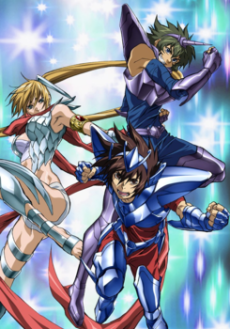
Saint Seiya: The Lost Canvas
📺Anime Details
📝Editorial Analysis
The air in the Sanctuary’s ruined Colosseum doesn’t just smell of dust and old blood—it tastes like grief held in the throat. Tenma stands alone, his cloth torn, knuckles split, staring at the cracked marble where Alone once laughed. Not a scream. Not a vow. Just silence thick enough to swallow sound—then the slow, deliberate pull of his fist back, not for vengeance, but because duty is heavier than despair. That moment isn’t about power-ups or spectacle. It’s about the unbearable weight of choosing to fight when every god, every star, every memory tells you to kneel.
What makes Saint Seiya: The Lost Canvas ache so deeply isn’t its cosmic battles—it’s how it treats myth as wound, not spectacle. This isn’t mythology dressed up as action; it’s mythology worn raw, like skin rubbed thin over bone. You feel the gravity of fate—not as plot device, but as atmosphere. The stars aren’t backdrops; they’re silent witnesses who’ve seen this tragedy unfold before. The war isn’t between armies—it’s between devotion and dissolution, between love that binds and love that breaks. Every henshin isn’t a transformation—it’s a surrender to something larger than self, laced with sorrow, resignation, and a quiet, unblinking courage. It’s urban fantasy not because of cityscapes, but because gods walk subway tunnels and divine judgment arrives on rain-slicked pavement—intimate, immediate, inescapable.
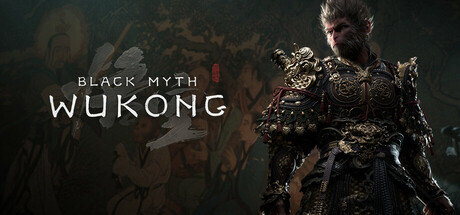
That emotional DNA pulses strongest in Black Myth: Wukong, where mythology isn’t lore—it’s burden. The score (81) anchors it in Mythology & Folklore and Dark Fantasy, not as aesthetic, but as psychological terrain. Like Tenma facing Alone, Wukong’s battles are less about victory than about confronting what he’s become—and what he’s lost. The “Action Spectacle” isn’t flashy for flashiness’ sake; it’s choreographed exhaustion, each parry echoing Tenma’s trembling arm after another impossible stand. The player doesn’t just swing a staff—they remember, and that memory has teeth.
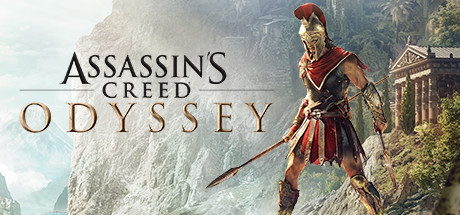
Then there’s Assassin’s Creed® Odyssey, scoring 77 on Mythology & Folklore and Emotional Narrative, paired with Tactical Warfare. Its resonance isn’t in scale—but in texture. Like the Sanctuary’s layered politics and quiet betrayals, Odyssey forces you into moral calculus where gods whisper, mortals bleed, and every choice carries the weight of legacy. A player review isn’t quoted here—but the dimensional match is precise: both works treat warfare not as conquest, but as consequence. When Kardia chooses her path, or Alexios kneels before Poseidon, it’s not strategy—it’s sacrifice made visible, rendered with the same solemnity as Tenma’s final stance beneath Scorpio’s constellation.
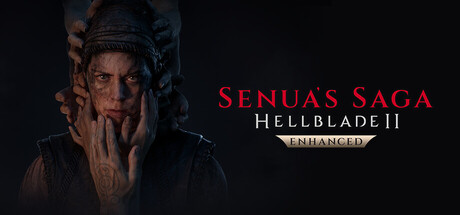
And Hellblade II: Senua’s Saga, also at 77, shares the Dark Fantasy and Emotional Narrative dimensions—but its true kinship lies in how both The Lost Canvas and Senua’s journey map trauma onto sacred geography. Myth isn’t backdrop—it’s neural pathway, hallucination, inheritance. Senua doesn’t battle monsters out there—she battles the gods inside. So does Tenma, when Athena’s voice cracks through his doubt, or when Alone’s smile flickers like a dying star. Neither story offers catharsis—only endurance, rendered in trembling breath, fractured light, and the terrible beauty of continuing anyway.
This pairing isn’t for fans of “epic battles” or “cool powers.” It’s for the person who replays the scene where Tenma kneels—not to beg, but to listen—and feels their own pulse sync with the silence afterward. It’s for the player who pauses mid-combat in Black Myth: Wukong, not to admire visuals, but because the wind sounds like a sigh from centuries ago. It’s for the one who walks the ruins in Odyssey, not hunting gear, but tracing the ghost of a promise made under the same moon that watched Saint Seiya fall. They don’t seek escape—they seek recognition: that myth isn’t ancient. It’s the shape sorrow takes when it learns to wear armor. That courage isn’t loud—it’s the stillness before the fist rises. That tragedy isn’t an ending—it’s the gravity holding everything, and everyone, together.
🎮14 Games That Match the Vibe


Match Dimensions Explained
❓Frequently Asked Questions
Why does Black Myth: Wukong feel so much like Saint Seiya: The Lost Canvas despite being based on Journey to the West?
It’s all about that mythic weight and visual spectacle — both lean hard into divine battles with cosmic stakes, like when Wukong shatters mountains with his staff just like Tenma unleashing Pegasus Ryu Sei Ken in the Sanctuary arc. The dark fantasy tone, dramatic slow-mo finishers, and layered lore (e.g., Ao Guang’s watery domain vs. Pope’s corrupted Sanctuary) hit the same emotional and aesthetic notes as Lost Canvas.
Is there a Saint Seiya: The Lost Canvas anime or game adaptation that captures the manga’s tone?
No direct game adaptation exists — but Hellblade II: Senua’s Saga nails the *tone*: that haunting blend of mythic tragedy, psychological intensity, and surreal divine confrontation (like Senua facing the Norse god Surtr mirrors Tenma’s spiritual crisis before the Pope reveal). It’s not Saint Seiya, but if you loved the manga’s brooding gravitas and myth-as-internal-struggle, this is the closest vibe.
How does Assassin’s Creed Odyssey compare to Saint Seiya: The Lost Canvas for myth-based character drama?
Odyssey gives you Greek gods walking among mortals — think Zeus’ thunderbolts echoing Pope’s divine authority, or Kassandra’s loyalty conflicts mirroring Tenma’s betrayal trauma — but it’s more grounded and dialogue-driven than Lost Canvas’ operatic fights. Still, its emotional narrative depth (especially the ‘Fate of Atlantis’ DLC) and tactical warfare (phalanx clashes = Sanctuary Guard skirmishes) make it a strong thematic cousin.
What’s the best game like Saint Seiya: The Lost Canvas if I want something meditative, slow-burn, and steeped in ancient myth — not action-heavy?
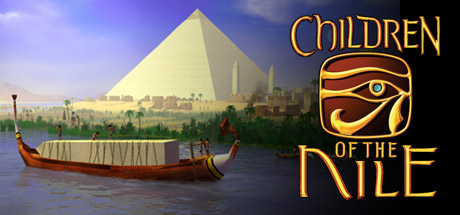
Children of the Nile: Enhanced Edition is your quiet, brilliant counterpoint: instead of cosmic punches, you nurture myths through city-building — watching priests pray to Ra while citizens reenact Osiris’ resurrection feels like experiencing Saint Seiya’s mythology from the ground up. It’s got that same reverence for sacred cycles and legacy, just without the Cosmo bursts.