
Seraph of the End: Kyuuketsuki Shahal
📺Anime Details
📝Editorial Analysis
Rain lashes the ruins of Tokyo like shattered glass. A boy—barefoot, coat torn, sword trembling in his grip—stares down a vampire whose eyes hold centuries of hunger and boredom. Not rage. Not cruelty. Boredom. That’s what freezes your breath: the sheer, suffocating weight of time pressing down on something that has already outlived meaning. His name is Yuichiro, and he doesn’t swing yet—not because he’s afraid, but because every muscle remembers the orphanage fire, the smell of burning hair, the way his sister’s hand slipped from his as the world dissolved into ash and fangs. This isn’t just action. It’s grief made kinetic.
What makes Seraph of the End: Kyuuketsuki Shahal ache so deeply isn’t its vampire lore or swordplay—it’s how relentlessly it frames power as trauma’s echo. The supernatural isn’t spectacle; it’s scar tissue. Every duel carries the tremor of childhood helplessness. Every vampire’s elegance feels like a mockery of human fragility. You don’t feel empowered watching Yuichiro fight—you feel recognized. Recognized in the way you brace before bad news, in the quiet dread before a phone call, in the hollow space where safety used to live. It’s haunted, not by ghosts, but by memory’s afterimage—by the knowledge that survival doesn’t erase loss, it just teaches you how to hold it mid-swing.
That same emotional DNA pulses through Sacred Gold, where “a shadow of evil has fallen on the kingdom of Ancaria” and players become champions forged in ruin—not glory. Its player review calls it “full of jank, bugs and is not very stable on modern systems…” — and that instability mimics the anime’s tone: nothing here feels polished or safe. The world resists you. Controls stutter. Enemies swarm with indifferent malice. Like Yuichiro stumbling through blood-slicked corridors, you’re not mastering the system—you’re enduring it. The “Action Spectacle” isn’t clean choreography; it’s exhaustion wearing a blade.
Then there’s Two Worlds Epic Edition, where “300 years after Aziraal has been banished, a brother and sister are drawn into the conflict… Kyra, the hero's younger sister, suddenly disappears.” That vanishing—so abrupt, so unexplained—lands with the same gut-punch as Yuichiro’s orphanage collapse. The game’s player review notes they’ve replayed it across four operating systems, across decades of tech decay—XP, 7, 10, Windows 11—yet keep returning. Why? Because the core wound remains intact: sibling love severed by forces too vast to comprehend. The game doesn’t heal that rift. It lets you walk beside it, again and again, just as the anime lingers on Yuichiro’s empty hands.
And Dark Messiah of Might & Magic, with its “ferocious combat in a dark and immersive world,” channels the same physical rawness—the grind of swinging steel when your arms are leaden, the way stamina drains faster than hope. Its player review praises it as “a fantastic melee combat game that still holds up pretty well today”—but adds it “needs a patch to get the game running properly.” That tension—between visceral, brutal immediacy and stubborn technical resistance—is pure Kyuuketsuki Shahal: breathtaking swordplay undercut by shaky footing, by systems (bodily, political, supernatural) that refuse to cooperate. You don’t win cleanly. You persist, knuckles split, breath ragged, until the next blow lands—or doesn’t.
This pairing isn’t for fans of slick power fantasies. It’s for the ones who watch Yuichiro wipe blood from his lip and think, Yeah—I know that taste. For players who boot up Alice: Madness Returns, step into Victorian London’s fog-choked alleys, and feel their chest tighten—not at the monsters, but at the wallpaper peeling like old grief. Who read its review about editing config files manually just to cap FPS, and nod: Of course. Even stability has to be wrestled from the dark. These are stories for people who understand that courage isn’t the absence of fear—it’s the decision to draw your sword while your knees shake, knowing the vampire won’t blink, the sister won’t reappear, and the game might crash right as you raise your blade—but you’ll restart. You’ll reload. You’ll stand again, barefoot on broken earth, because some wounds don’t close—and some hearts beat louder in the silence after.
🎮19 Games That Match the Vibe
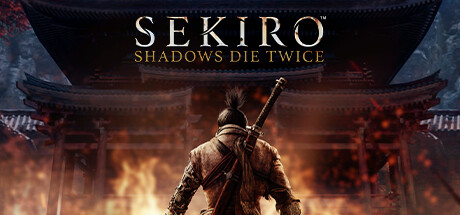
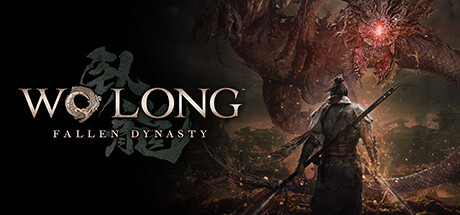
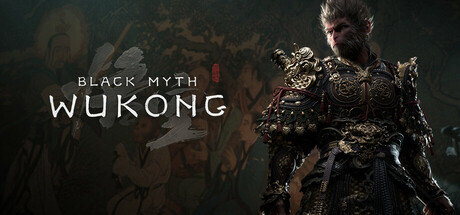

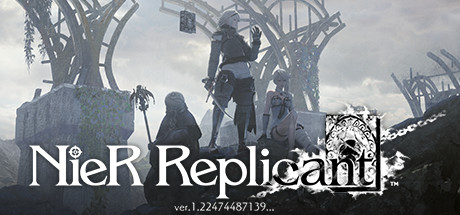
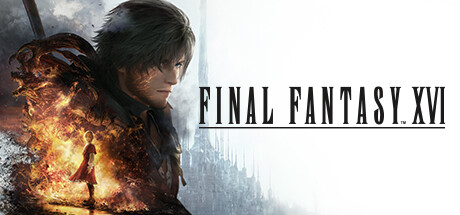
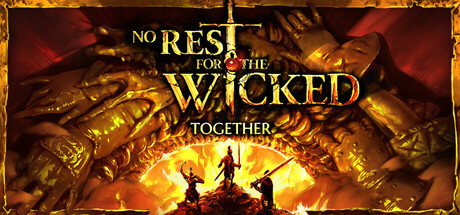
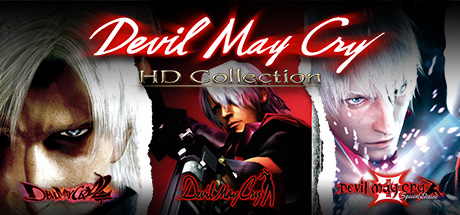


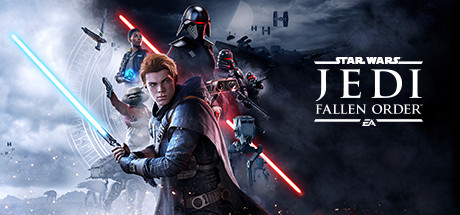
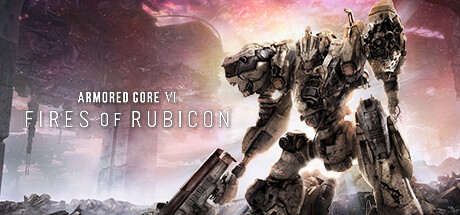
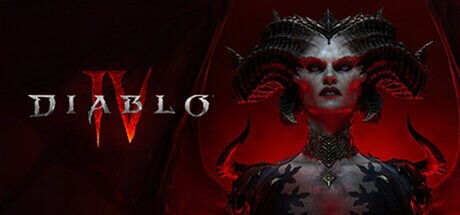
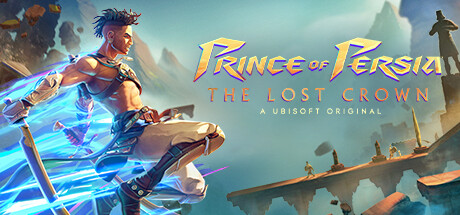
Match Dimensions Explained
❓Frequently Asked Questions
Why is Sacred Gold recommended for Seraph of the End fans despite its bugs?
Because its dark fantasy tone—like the blood-soaked battlefields of Seraph’s Shinjuku arc—and over-the-top action spectacle (think Yuichiro’s berserker fights against vampires) hit the same visceral, high-stakes vibe. Even with jank and instability on modern systems, players who loved Seraph’s grim worldbuilding and relentless combat find Sacred Gold’s orc-slaying chaos and gothic dread a surprisingly resonant match.
Is there a Monster Hunter: World crossover or anime adaptation tied to Seraph of the End?
No—Monster Hunter: World isn’t an adaptation of Seraph, but it’s frequently recommended *alongside* it because both deliver that intense, grounded-yet-fantastical action spectacle: imagine hunting a Rathalos while feeling the same adrenaline rush as when Mika battles the vampire lord Krul in the ruined Tokyo subway. It’s the shared weight of combat, environmental storytelling, and creature design—not licensing—that makes them spiritual siblings.
How does Dark Messiah of Might & Magic compare to Alice: Madness Returns for Seraph fans?
Dark Messiah leans into brutal, physics-driven melee—like Seraph’s close-quarters sword duels where every parry and kick matters—while Alice trades that for surreal, psychological action-platforming (think Alice’s distorted Victorian London mirroring Seraph’s fractured human/vampire morality). Both nail dark fantasy and action spectacle, but Dark Messiah gives you Krul-level physicality; Alice gives you Guren’s haunting inner turmoil made visual.
What’s the best game like Seraph of the End if I want that oppressive, gothic-tinged despair with sudden bursts of savage combat?
Alice: Madness Returns—it drops you straight into the suffocating grief of Victorian London before warping reality into Wonderland’s grotesque beauty, echoing Seraph’s tonal whiplash between quiet trauma and explosive vampire slaughter. The combat isn’t flashy like Monster Hunter, but its desperate, acrobatic strikes (especially with the Vorpal Blade) mirror how Seraph frames violence as both cathartic and emotionally raw—plus, that config-file tweak? Worth it for the mood alone.