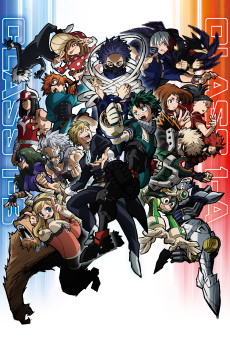
My Hero Academia Season 5
The rivalry between Class 1-A and Class 1-B heats up in a joint training battle. Eager to be a part of the hero course, brainwashing buff Shinso is tasked with competing on both sides.
But as each team faces their own weaknesses and discovers new strengths, this showdown might just become a toss-up.
(Source: Funimation)
📺Anime Details
📝Editorial Analysis
The air in U.A. High’s gymnasium crackles—not with lightning or quirk energy, but with tension so thick you taste copper. Class 1-A’s Shinso stands motionless mid-arena, eyes locked on his own teammates, his brainwashing quirk humming like a live wire—he’s been ordered to infiltrate both sides. His breath hitches. Not from fear, but from the unbearable weight of loyalty split down the middle: he wants to be a hero, yet he’s being used as a weapon against the very people training beside him. That single suspended second—where strategy bleeds into sorrow, where rivalry blurs with kinship—is My Hero Academia Season 5 in its rawest pulse.

This season doesn’t trade in spectacle alone. It lives in the gaps: between shouted commands and swallowed doubts, between synchronized attacks and solitary hesitation. The joint training battle isn’t just about who wins—it’s about what fractures when you’re forced to see your classmates not as rivals, but as mirrors. You feel the exhaustion in Midoriya’s knuckles white-knuckling his own restraint, the quiet ache in Bakugo’s refusal to ask for help even as his pride buckles, the way Uraraka’s smile tightens just a fraction when she realizes Shinso’s gaze lingers too long—not with malice, but with recognition. It’s urban fantasy rooted in adolescent vertigo: the city looms outside, but the real battlefield is internal—where identity, trust, and moral clarity are all still under construction.
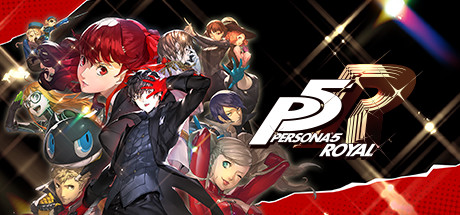
That emotional architecture—the layered tension between duty and desire, the intimacy of shared struggle within rigid systems—echoes powerfully in Persona 5 Royal. Its player review praises the “seamless transition between daily life” and “stunning soundtrack,” mirroring how Season 5 weaves classroom banter, hallway glances, and cafeteria debates into the same emotional fabric as high-stakes combat. Both treat routine not as filler, but as resonance chambers: every unspoken glance in U.A.’s hallways lands with the same quiet gravity as a confidant conversation in Shibuya’s rain-slicked alleys. The Phantom Thieves don’t just fight shadows—they negotiate identity, betrayal, and self-worth in real time. So does Shinso, standing between two lines, heart hammering not from adrenaline, but from recognition.
Then there’s Dragon Age: Origins, where the player review highlights the “pause attack mechanic” that “help[s] a lot to strategize your tactic”—a perfect analog for Season 5’s choreographed chaos. This isn’t mindless brawling; it’s tactical empathy. When 1-B’s Shoto deploys his ice-and-fire quirk not just to strike, but to create openings for classmates he barely knows, it’s strategy fused with instinctive care—just like pausing mid-battle in Ferelden to reassign roles, shield a wounded ally, or sacrifice positioning for someone else’s survival. The review’s emphasis on legacy—“what will be said about the hero who turned the tide”—mirrors how Season 5 frames heroism not as solo triumph, but as collective recalibration: every misstep exposes weakness, yes—but also reveals who steps forward, who steps aside, who chooses to hold the line.
And though it’s tonally distant, Dark Messiah of Might & Magic shares something quieter but vital: its player review calls it “a fantastic melee combat game that still holds up pretty well today,” praising ferocious, physical immediacy. Season 5’s fights land with that same visceral punch—not because of over-the-top explosions, but because every dodge, stumble, and redirected blow feels bodied. When Kirishima blocks a strike with his hardened arm and winces—not from damage, but from the jolt traveling up his shoulder—you feel it in your own bones. That raw, tactile urgency? It’s the same gut-level presence that makes Dark Messiah’s swordplay feel dangerous, personal, human—even in a dark fantasy setting.
This pairing isn’t for fans of “power-ups” or “epic reveals.” It’s for the ones who pause the anime when a character stares out a window—not waiting for action, but holding space for the weight behind their silence. It’s for players who replay Persona 5’s rainy day at the shrine just to hear Ann’s voice crack on the word “trust,” or who linger in Dragon Age’s campfire scenes watching Alistair fumble through jokes while the firelight flickers across his tired eyes. It’s for anyone who’s ever stood between two loyalties—and understood, deep in their ribs, that the most heroic thing isn’t choosing a side, but holding the center, trembling, breathing, alive in the fracture.
🎮17 Games That Match the Vibe











Match Dimensions Explained
❓Frequently Asked Questions
Why does Persona 5 Royal keep coming up in 'Games Like My Hero Academia Season 5' lists?
Because both lean hard into emotional growth through found-family bonds and stylish, high-stakes rebellion—think Izuku’s quiet resolve mirroring Ren’s quiet defiance as the Phantom Thief leader. The game’s daily life + dungeon-crawling loop mirrors how Season 5 balances intense hero battles (like the fight against Overhaul) with heartfelt character moments at U.A., all wrapped in that same bold, jazz-infused energy.
Is there a My Hero Academia Season 5 video game adaptation?
No—there’s no official game based *specifically* on Season 5. The closest licensed titles are older ones like *My Hero One’s Justice 2*, which covers up to Season 4. That’s why fans turn to narrative-driven JRPGs like *Dragon Age: Origins* or *Persona 5 Royal*, where you build deep party relationships and make weighty choices—just like Class 1-A navigating moral gray areas during the villain war arc.
How does Jade Empire compare to Dragon Age: Origins for My Hero Academia fans?
Both deliver rich emotional narratives and party-driven stakes—but *Jade Empire* leans into martial-arts philosophy and personal path choices (Open Palm vs. Closed Fist), echoing how characters like Bakugo or Todoroki wrestle with identity and ideology. *Dragon Age: Origins*, meanwhile, gives you pause-and-plan combat (like coordinating Quirk combos mid-battle) and legacy-defining choices—similar to how Season 5 forces heroes to confront systemic failure and redefine what ‘justice’ means.
What’s the best game like My Hero Academia Season 5 if I want that intense, morally urgent vibe with strong character bonds?
Go straight to *Persona 5 Royal*—it nails the tone: a tight-knit team of misfits using extraordinary abilities (Personas) to challenge corrupt authority, all while juggling school life, confessions, and late-night heists. Its 78 Metacritic score reflects how well it balances emotional beats (like Ann’s trauma arc) with slick, strategic turn-based combat—very much like watching Izuku rally his classmates before the final confrontation with All For One.