
Call of the Night Season 2
The second season of Yofukashi no Uta.
Ko overcomes his confusion about becoming a vampire and decides to "like" Nazuna, while Nazuna resolves to make Ko "fall in love" with her. Without understanding what "love" even is, the two of them spend their nights together in a frenzy. Meanwhile, Detective Uguisu Anko is closing in with her plot to kill vampires, not just Nazuna. A vampire's weakness is "anything they were attached to when they were human" and so they all try to get rid of this weakness before it's too late. But, Nazuna has no memory of her human life. What is Nazuna's hidden past? Why did Anko start killing vampires? And what is the "secret" that Nazuna and Anko share? For Ko, Nazuna, Anko, a fun "late night" doesn't end here... a new "night" begins!
(Source: HIDIVE)
📺Anime Details
📝Editorial Analysis
The streetlights hum—low, warm, slightly out of tune—as Ko leans against the railing of a quiet bridge, Nazuna’s hand cool in his. Not holding, not clasping—just resting there, fingers barely brushing, both of them breathing the same humid night air while neither says a word about love, or vampirism, or the detective who’s already drawn her first blood. That silence isn’t empty. It’s thick with uncertainty, with trembling, with the quiet terror of wanting something you can’t name and don’t know how to keep.

What makes Call of the Night Season 2 ache like this isn’t its vampire lore or its urban backdrops—it’s how it treats attachment as both compass and wound. Every character orbits a fragile, unspoken bond: Ko clinging to Nazuna’s presence like oxygen after drowning; Nazuna weaponizing affection because she’s forgotten how to receive it; even Uguisu Anko sharpening her blade not for vengeance, but because grief has calcified into doctrine. This isn’t supernatural romance as spectacle—it’s intimacy as exposure, where every shared cigarette, every accidental touch, every half-forgotten human memory becomes a potential weakness. You don’t feel thrilled watching it—you feel unmoored, then tenderly, dangerously seen. It asks: What if love isn’t a destination, but the slow, destabilizing act of letting someone witness your unraveling?
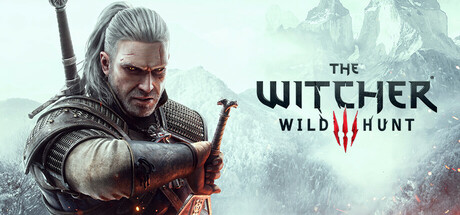
That emotional gravity resonates fiercely with The Witcher 3: Wild Hunt, where Geralt tracks Ciri across a continent scarred by war and monsters—not just to fulfill a contract, but because attachment is the only thing that anchors him in a world that rewards detachment. The player review notes the DLC arriving “11 years after release,” echoing how Call of the Night Season 2 lingers—not through spectacle, but through accumulated, quiet resonance. Like Ko and Nazuna’s nights stretching across seasons, Geralt’s journey deepens not in grand battles, but in campfire conversations, in choices that fracture relationships before they’re fully formed, in moments where “I care” is spoken too late, or not at all. Both refuse catharsis—they offer weight, not resolution.
Then there’s Hollow Knight, where the ruined kingdom of Hallownest breathes with the same hushed melancholy. Its description calls it an “epic action adventure,” but what sticks is the loneliness in its caverns—the way every abandoned shrine, every faded mural, every hollowed-out bug whispers of bonds severed, promises broken, affections fossilized into ritual. The player review praises its “lovely story” and “beautiful art style,” but what mirrors Call of the Night Season 2 is how both treat memory as vulnerability: Nazuna’s human attachments are her fatal flaw; the Knight walks through ruins built on devotion turned to dust. Neither offers easy answers—just the soft, devastating truth that to have loved once is to remain exposed, forever.
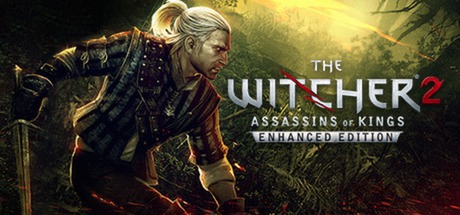
And The Witcher 2: Assassins of Kings Enhanced Edition, described as feeling “more thoughtfully designed than the next entry,” lands with the same precision as Season 2’s pacing—tight, consequential, emotionally surgical. Its player review highlights how it “feels more thoughtfully designed,” much like how Call of the Night Season 2 avoids exposition dumps or forced conflict, trusting silence, glances, and the weight of unsaid history to do the work. When Ko hesitates before stepping into sunlight—not out of fear of burning, but because he’s realizing what light means now—that’s the same kind of restrained, character-rooted tension that defines Geralt’s choices in Vizima: no fanfare, just consequence, rippling outward from one quiet decision.
This pairing isn’t for fans of flashy stakes or tidy endings. It’s for the person who rewatched Nazuna’s first smile three times because it held longing, not joy; who paused The Witcher 3 mid-quest to reread a journal entry about a dead lover; who sat still for two minutes after beating Hollow Knight’s final boss, staring at the credits, heart full and hollow at once. It’s for those who find beauty in fragility, who understand that the most dangerous thing a vampire—or a human—can do is remember how to care.
🎮15 Games That Match the Vibe





Match Dimensions Explained
❓Frequently Asked Questions
Why does The Witcher 3 keep coming up when I search for games like Call of the Night Season 2?
Because both lean hard into that brooding, emotionally layered dark fantasy vibe — think Yoru’s quiet intensity and Ciri’s tragic arc mirrored in Geralt’s weary loyalty and the morally grey choices you make across war-torn Velen. The Witcher 3’s adult & dark seinen tone, its focus on doomed romance and supernatural ambiguity (like the Bloody Baron’s storyline or the Wild Hunt’s haunting presence), hits the same emotional and atmospheric notes as Season 2’s vampire lore and intimate character tension.
Is there a Call of the Night video game adaptation?
No — there’s no official Call of the Night game (anime or manga). But fans drawn to its mood often land on titles like Hollow Knight or The Witcher series, which deliver that same blend of melancholy beauty, oppressive yet poetic worldbuilding, and morally complex characters — like Hollow Knight’s silent, bug-kingdom decay echoing Yoru’s lonely immortality, or Geralt’s gruff compassion mirroring Takemichi’s protective devotion.
How is Hollow Knight different from The Witcher 3 if both are 'games like Call of the Night'?
Hollow Knight trades The Witcher 3’s dense dialogue-driven storytelling and branching political drama (think Triss vs. Yennefer tensions or the Skellige succession crisis) for environmental storytelling and wordless, haunting atmosphere — like uncovering the Pale King’s tragedy in Hallownest’s ruins instead of debating treaties in Loc Muinne. Both nail the dark fantasy + emotional narrative + adult/seinen triad, but Hollow Knight leans into isolation and mystery, while Witcher 3 leans into consequence-laden relationships and gritty realism.
What’s the best game like Call of the Night Season 2 if I want that quiet, melancholic vampire romance vibe?
The Witcher: Enhanced Edition Director's Cut — especially for its early-game Yennefer dynamic and morally heavy choices that echo Yoru/Takemichi’s push-pull tension. That ‘team Yenn and not team Tress’ review quote? It’s spot-on: the game makes you *feel* the weight of love, loss, and duty in a way that mirrors Season 2’s restrained longing — plus its 2007-era combat and slower pacing let moments breathe like a lingering shot of Yoru watching Takemichi sleep.