
The Yakuza's Guide to Babysitting
Kirishima Tooru was accustomed to solving all problems through violence and was called “the Demon of Sakuragi.” One day, the boss of the Sakuragi family suddenly summons Kirishima and appoints him caretaker of his only daughter, Yaeka! A heartwarming comedy about a yakuza crime family’s right-hand man and the boss’ only daughter. The two of them are about to begin their new daily lives together!
(Source: Crunchyroll, edited)
📺Anime Details
📝Editorial Analysis
The first time Kirishima Tooru kneels—kneels—to tie Yaeka’s shoelaces, his knuckles still raw from last week’s debt collection, the city outside the apartment window hums with indifferent rain. His hands, trained to break bones and hold guns, tremble—not from fear, but from the sheer weight of not knowing how to hold something small and soft without breaking it. That silence between laces? That’s where the whole show lives: not in the yakuza hierarchy or the Sakuragi family’s shadowy dealings, but in the quiet, breath-held space where violence has no currency and tenderness has no manual.

What makes The Yakuza's Guide to Babysitting vibrate at this particular frequency isn’t its genre labels—it’s the dissonance. It’s the warmth of a shared bowl of miso soup under fluorescent kitchen light while the protagonist’s jacket still smells faintly of cigarette smoke and old leather. It’s the way “found family” here isn’t aspirational—it’s pragmatic, almost reluctant, stitched together with duct tape and daycare pickup schedules. You don’t feel uplifted; you feel recognized: the exhaustion of caring, the absurdity of trying to be good when your entire identity was built on being feared, the quiet dignity in showing up—even when you’re out of your depth. This isn’t redemption arc theater. It’s daily recalibration. It’s tired love, tender and unpolished.
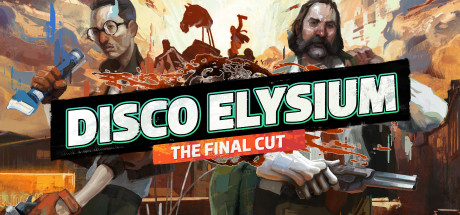
That same emotional DNA pulses in Disco Elysium - The Final Cut, where every dialogue choice feels like Kirishima fumbling for the right words while holding Yaeka’s lunchbox—except here, the “lunchbox” is a crumbling city, a shattered psyche, and a skill system that literally argues with itself. The game’s description calls it a “groundbreaking role playing game” with a “unique skill system,” and the player review nails the texture: “Capital has the ability to subsume all critiques into itself. Even those who would critique capital end up reinforcing it instead.” That’s Kirishima’s dilemma too—not ideological, but embodied: he’s spent years reinforcing a system he never chose, and now must build care within its ruins. Both refuse easy catharsis. Both sit with the discomfort of trying to be humane inside structures that weren’t designed for it.
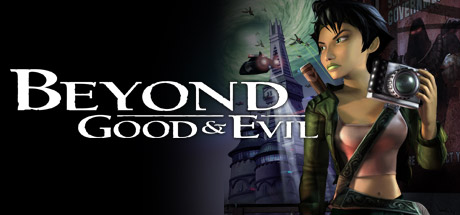
Then there’s Beyond Good and Evil™, where Jade—a young investigative reporter—relies on loyalty, observation, and quiet courage to expose corruption, not firepower. The description frames her mission as saving “your planet and its inhabitants,” but the player review cuts deeper: “Crazyyy game! Play the 20th Anniversary edition tho. The original is too buggy…” That offhand, affectionate warning—“too buggy”—mirrors how The Yakuza's Guide to Babysitting treats its own premise: it knows the setup is fragile, even silly (a yakuza babysitter?), and leans into the wobble. Jade doesn’t wield a sword; she wields a camera, a sense of justice, and Pey’j—the steadfast, grounding presence, much like Yaeka’s quiet, unflinching belief in Kirishima long before he believes in himself. Neither story glorifies competence—it cherishes continuance: showing up, day after day, despite the glitches.
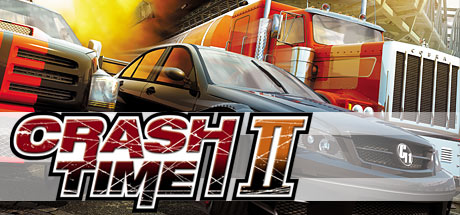
And yes—Crash Time 2, with its janky physics and “awful controls,” somehow belongs here too. Its description pitches it as an open-world arcade racing game where you play “an Autobahn police officer,” chasing criminals across “a large free-roaming map.” The player review is brutally honest: “ngl, boys, this one aint it. Awful controls, almost no structure, janky physics and factually BAD controls…” But that messiness—the stubborn refusal of the system to behave—echoes Kirishima’s early attempts at parenting: the spilled juice box, the misread bedtime story, the way authority dissolves when faced with a child’s non-negotiable logic. Both are about trying to operate a complex, ill-fitting role—cop, yakuza, caretaker—with tools that keep failing you. The charm isn’t in mastery. It’s in the trying, visibly, imperfectly, again.
This pairing sings for the person who watches Kirishima fold tiny socks with surgical focus—and then pauses, stares at his own hands like they’ve betrayed him—and thinks, Yes. Exactly. For the player who replays Jade’s rooftop conversations not for plot, but for the way her voice catches when she admits she’s scared. For the one who boots up Disco Elysium not to solve the case, but to hear the detective whisper, “I don’t know how to be kind. But I’m sitting here. So maybe that counts.” These aren’t stories about becoming someone new. They’re about staying present, even when your hands shake, even when the controls glitch, even when the world insists you’re only built for breaking things—and discovering, slowly, that holding can be its own kind of strength.
🎮11 Games That Match the Vibe



Match Dimensions Explained
❓Frequently Asked Questions
Why does Beyond Good and Evil keep coming up in Yakuza's Guide to Babysitting recommendations?
Because both games balance heartfelt, character-driven storytelling with a vibrant, lived-in world—Jade’s investigative journalism and found-family bond with Pey'j mirror Kiryu’s tender, often awkward babysitting journey. The emotional narrative dimension (shared by both) and that neon-noir-tinged sci-fi aesthetic (think Jade’s gritty yet colorful planet Hillys vs. the Yakuza series’ Osaka/Kyoto streets) create a surprisingly resonant tonal match.
Is there an anime or manga adaptation of Disco Elysium that captures the same vibe as The Yakuza's Guide to Babysitting?
No—Disco Elysium has no official anime or manga adaptation, and its dense, internalized, dialogue-heavy noir tone (with characters like Detective Harrier DuBois wrestling existential dread in the rain-slicked city of Revachol) is *nothing* like the warm, physical comedy and paternal tenderness of Yakuza’s Guide. They share the 'Emotional Narrative' dimension, but Disco’s melancholy introspection is the polar opposite of Kiryu’s earnest diaper-changing montage.
How does Crash Time 2 compare to The Yakuza's Guide to Babysitting in terms of tone and gameplay?
Not at all—it’s basically the anti-babysitting game: you’re a lone Autobahn cop chasing criminals at 200 km/h with janky physics and zero emotional stakes (per that player review calling it 'awful controls' and 'factually BAD controls'). While Yakuza’s Guide leans on quiet moments—like Kiryu patiently feeding a fussy baby or calming a scared toddler—Crash Time 2 offers zero character connection, just chaotic, structureless speed and frustration.
What’s the best game like The Yakuza's Guide to Babysitting if I want something heartfelt but with light action and strong friendship vibes?
Beyond Good and Evil™ is your perfect match—Jade and Pey’j’s loyal, bantering partnership mirrors Kiryu and the kids’ evolving trust, and the 20th Anniversary edition smooths out the original’s bugs while keeping its warm, hopeful heart. You’ll get investigative pacing, expressive side characters (like Double H and Uncle), and that same rare blend of sincerity, gentle humor, and low-stakes heroism.