
The Case Study of Vanitas
It’s 19th-century Paris, and young vampire Noé hunts for the Book of Vanitas. Attacked by a vampire driven insane, a human intercedes, rescues Noé, and heals the sick creature. Commanding the book and calling himself Vanitas, this doctor tempts Noé with a mad crusade to “cure” the entire vampire race. Allying with one who wields arcane power so easily may be dangerous, but does he have a choice?
(Source: Funimation)
📺Anime Details
📝Editorial Analysis
The gaslight flickers low over cobblestones slick with rain and something darker—old blood, maybe, or the residue of a curse. Noé staggers back, breath ragged, his hand still stinging from the vampire’s fangs, when Vanitas steps into the light—not with a sword, but with a book bound in cracked leather and humming silver glyphs. He doesn’t ask permission. He touches the mad vampire’s forehead, murmurs something like a lullaby and a threat, and the creature unwinds, collapsing not dead—but relieved. That moment isn’t salvation. It’s destabilization. A crack in the foundation of what “cure” means, what “monster” means, what mercy even looks like when wielded by someone who smiles like he’s already lost.
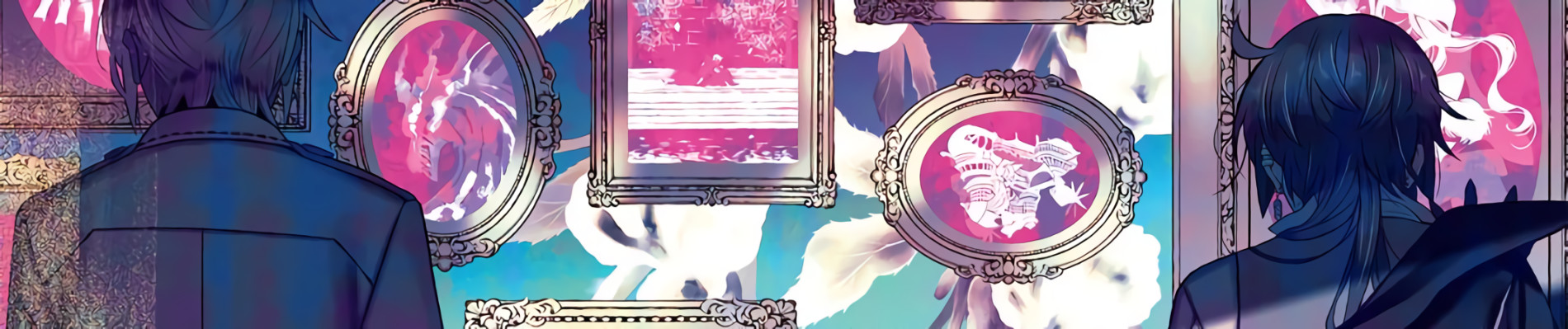
This isn’t gothic romance. It’s anachronistic grief: velvet coats over brass prosthetics, whispered Latin incantations layered beneath steam-hiss and clockwork whir, a world where every elegant gesture carries the weight of centuries of buried violence. You don’t feel transported to 19th-century Paris—you feel displaced there, like a witness standing too close to a wound that refuses to scar over. The atmosphere is thick with unspoken history, with the quiet dread of inherited trauma wearing a top hat. It makes you question loyalty not as devotion, but as complicity—and wonder whether healing can ever be clean when the healer carries the same poison in their veins.
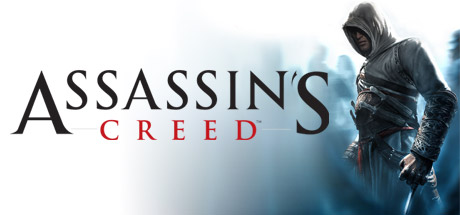
Assassin's Creed™: Director's Cut Edition shares that same political thrum beneath the supernatural. Its description calls it a “Political Thriller, Dark Fantasy”—and yes, the models may be dated, but the player review hints at something deeper: the flaws don’t break immersion because the tension isn’t in the pixels—it’s in the weight of ideology. Like Vanitas dissecting vampiric curses with surgical precision, Altaïr moves through Jerusalem not just as an assassin, but as a man unspooling layers of dogma, each revelation more corrosive than the last. Both refuse easy binaries: crusader vs. Saracen, vampire vs. human, assassin vs. Templar. They operate in the gray rot between absolutes—and you feel that moral friction in your bones.
Then there’s The Witcher 3: Wild Hunt, whose description anchors us in a “war-torn, monster-infested continent you can explore at will”—but the player review nails the emotional core: “DLC announced 11 years after release, my favourite game keeps getting better…” That longevity isn’t about content volume. It’s about emotional resonance that deepens with time—like Vanitas’ slow, jagged unraveling across seasons. Geralt tracks Ciri through ruins and rumors, just as Noé follows Vanitas through ballrooms and blood-soaked catacombs, both men chasing a truth that reshapes them. The tragedy isn’t in death—it’s in recognition: seeing your own reflection in the monster you were sent to kill.
And Hollow Knight, with its “vast ruined kingdom of insects and heroes,” mirrors the anime’s architecture of decay. Its description promises exploration of “twisting caverns” and “tainted creatures”—but the player review gives away the soul: “Lovely story.” Not epic. Not flashy. Lovely—in the way a lullaby sung over a grave can be lovely. Vanitas’ Paris is just as hollowed-out: grand facades hiding collapsed crypts, aristocratic vampires clinging to rituals while their souls fray at the edges. Both understand silence as narrative—what isn’t said in a sigh, a glance held too long, a glyph half-erased on a tomb wall.
This pairing sings to the person who reads footnotes before chapters, who pauses mid-fight scene to watch how light catches dust in a cathedral beam, who feels homesick for worlds that ache. Not the escapist, but the archivist of sorrow—the one who knows the most devastating lines are whispered, the most dangerous cures come with teeth, and the truest kind of loyalty is forged not in agreement, but in shared, trembling doubt.
🎮16 Games That Match the Vibe






Match Dimensions Explained
❓Frequently Asked Questions
Why does The Witcher 3 feel so much like Vanitas when Geralt meets Dijkstra in the Oxenfurt sewers?
That tense, morally grey political thriller energy—where every whisper could be a trap and alliances shift like smoke—is *exactly* why The Witcher 3 (score 82, dims: Dark Fantasy, Emotional Narrative) nails Vanitas’ vibe. Just like Vanitas and Jean navigating aristocratic deception in the Parisian underworld, Geralt’s confrontation with Dijkstra in the damp, candlelit sewers forces brutal choices with lasting consequences—and the player review even calls out how ‘thoughtfully designed’ those power plays feel.
Is there an anime or game adaptation of The Case Study of Vanitas?
No official game adaptation exists yet—but if you’re craving that gothic Parisian atmosphere and tragic vampire lore, Hollow Knight (score 79, dims: Dark Fantasy, Emotional Narrative) delivers it through mood and worldbuilding instead. Its ruined kingdom of insects mirrors Vanitas’ decaying elegance, and the haunting OST + melancholic story about lost identity (like the Pale King’s fall) hits that same bittersweet, emotionally layered tone fans love.
How is Assassin’s Creed Director’s Cut Edition different from The Witcher 3 for Vanitas fans?
Assassin’s Creed™: Director’s Cut Edition (score 84, dims: Political Thriller, Dark Fantasy) leans hard into conspiracy, hidden societies, and historical intrigue—think Vanitas’ secret societies and coded contracts—while The Witcher 3 (score 82) prioritizes intimate emotional stakes, like Geralt’s bond with Ciri echoing Vanitas and Jean’s fraught found-family dynamic. One’s a shadowy web of power; the other’s a heart-wrenching character odyssey—and both nail the ‘dark fantasy’ label, just in different ways.
What’s the best game like Vanitas if I want that brooding, elegant, slow-burn gothic romance vibe?
Go straight to The Witcher: Enhanced Edition Director's Cut (score 82, dims: Dark Fantasy, Emotional Narrative)—especially the Yennefer scenes where candlelight flickers across her sharp wit and guarded vulnerability. That slow-burn tension, layered dialogue, and morally complex relationships (‘team Yenn and not team Tress is a thing’ as one player puts it) mirror Vanitas’ restrained, yearning chemistry between leads far more than flashy action-heavy titles ever could.