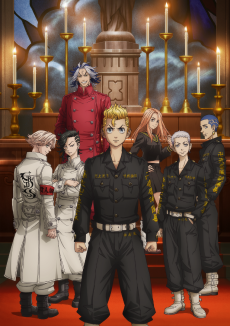
Tokyo Revengers Season 2
Despite his best time-leaping efforts, Takemichi Hanagaki continuously fails to prevent the present-day death of Hinata Tachibana, his adolescent love. The adult Takemichi grapples with grief and the ramifications of the Tokyo Manji gang's criminal empire—an unintended product of his timeline meddling. Though the gang once operated under the idealistic Manjirou "Mikey" Sano, it has now been taken over by the malicious Tetta Kisaki and, as a result, has abandoned its original optimistic intent.
Despite feeling hopeless, Takemichi travels to the past once again to investigate Black Dragon, a rival motorcycle gang whose actions ultimately lead to Hinata's demise. There, he meets the young Hakkai Shiba, a fellow gang member whose older brother, Taiju, tyrannically rules Black Dragon.
Takemichi, with Chifuyu on his side, works to unravel the fates of Black Dragon's members, fighting to create a happy future for his loved ones.
(Source: MAL Rewrite, edited)
📺Anime Details
📝Editorial Analysis
Rain slicks the pavement of Shibuya Crossing, but Takemichi doesn’t feel it. He’s on his knees, breath ragged, phone screen glowing—Hinata’s last text still unread. Not because he forgot. Because he can’t. Every time he leaps back, every time he grabs Mikey’s wrist or shouts into Kisaki’s smirking face, the world snaps shut like a broken hinge. The neon signs bleed red and gold, not festive—ominous, like warning flares over a battlefield no one asked to fight. This isn’t time travel as spectacle. It’s time travel as wound: raw, repetitive, humiliating.
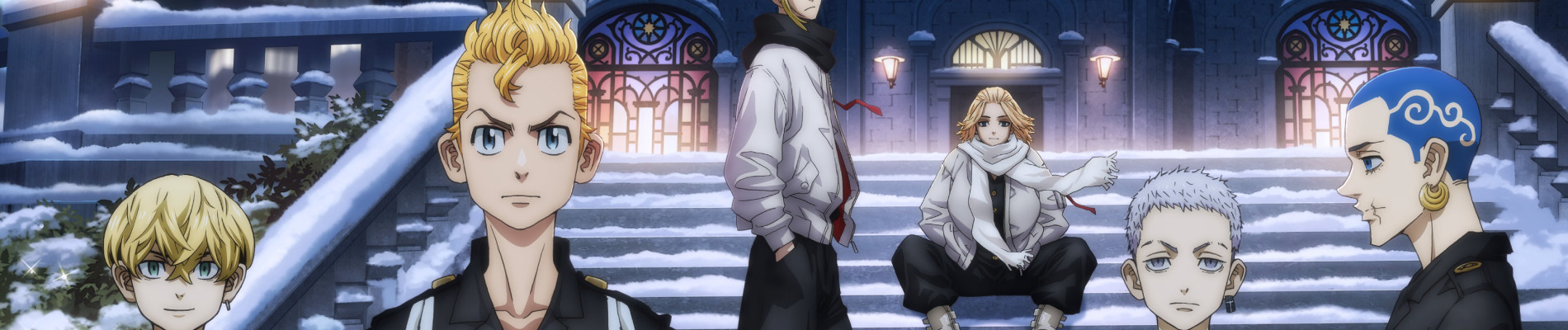
What makes Tokyo Revengers Season 2 ache so deeply isn’t its gangs or its delinquents—it’s the weight of failed intention. You watch Takemichi sprint through alleyways, voice cracking as he pleads with a younger version of himself, and you don’t root for victory—you feel the gravity of his helplessness. This anime doesn’t trade in catharsis; it trades in echoes. Every “what if” lands like a bruise. The Tokyo Manji Gang isn’t just corrupted—it’s haunted, its original warmth fossilized under Kisaki’s cold calculus. And Mikey? His quiet withdrawal isn’t plot convenience—it’s the slow erosion of belief, the way idealism curdles when no one shows up to hold the line. You don’t just watch tragedy unfold—you inhabit the lag between decision and consequence, where love, loyalty, and timing all misfire at once.
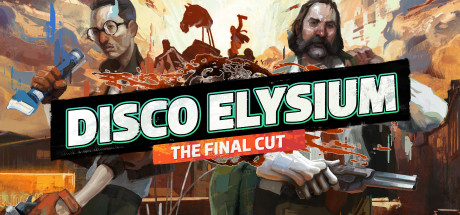
That same emotional DNA hums in Disco Elysium - The Final Cut, where the city of Revachol isn’t a backdrop—it’s a living indictment. Like Takemichi, the detective is fractured, haunted by past failures he can’t outrun, speaking to ghosts in his own skull. The game’s description calls it a “groundbreaking role playing game” with a “unique skill system”—but what sticks is how every dialogue choice curdles, how even empathy becomes a kind of surrender to systems too vast to dismantle. A player review nails it: “Capital has the ability to subsume all critiques into itself. Even those who would critique capital end up reinforcing it instead.” That’s Takemichi’s loop in code form—every leap, every plea, every tear shed in front of Mikey, absorbed and neutralized by the very structure he’s trying to break. Both ask: What do you do when your heart is honest but the world is rigged?
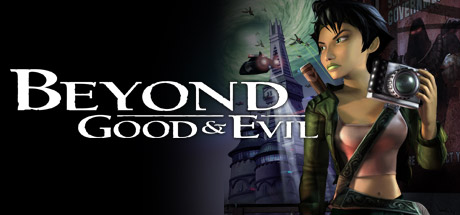
Then there’s Beyond Good and Evil™, where Jade isn’t chasing time—but truth, buried under propaganda, surveillance, and betrayal. Its description positions her as an “investigative reporter” exposing “a terrible government conspiracy,” and that mirrors Takemichi’s desperate fact-finding: Who killed Hinata? Why did Mikey fall silent? What really happened at that bridge? The player review gushes, “Crazyyy game! Play the 20th Anniversary edition tho.”—that same urgency, that same gotta fix this before it’s too late energy pulses through both. Jade and Takemichi aren’t warriors first—they’re witnesses, scrambling to piece together a narrative the powerful have already edited. Their fights aren’t just physical; they’re epistemological. Every clue, every confession, every flashback is a lifeline thrown across a chasm of erasure.
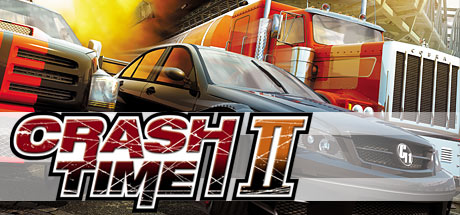
And yes—even Crash Time 2, with its janky physics and “awful controls,” carries a sliver of that same feeling. Its description casts you as an Autobahn police officer in “high-speed chases, escort missions, and criminal investigations.” A player review groans: “ngl, boys, this one aint it. Awful controls… janky physics… factually BAD controls…” But that frustration? That sense of fighting the machine itself—the controller refusing to obey, the car fishtailing just as you need precision—that’s Takemichi trying to grab Kisaki’s collar while his own legs won’t move fast enough. It’s not about polish. It’s about the physicality of resistance, the way systems—mechanical or moral—seem designed to exhaust your will before you ever reach the finish line.
This pairing isn’t for fans of tidy resolutions or power fantasies. It’s for the ones who’ve stared at a paused screen, heart pounding, whispering “just one more try”—not because they believe in victory, but because stopping feels like complicity. It’s for players who replay a failed dialogue branch not to win, but to bear witness again. For viewers who cry not at the death, but at the silence after—when Mikey looks away, when the rain keeps falling, when the phone stays dark. These stories don’t offer hope. They offer recognition: that some wounds reopen not because you’re weak, but because you’re still feeling. Still fighting. Still remembering her name.
🎮11 Games That Match the Vibe

Match Dimensions Explained
❓Frequently Asked Questions
Why does Tokyo Revengers Season 2’s time-loop tension feel so different from Disco Elysium’s emotional weight?
Tokyo Revengers leans hard into high-stakes, adrenaline-fueled gang confrontations—like Takemichi’s desperate re-runs to save Mikey during the Black Dragon showdown—while Disco Elysium trades fists for fractured introspection: you’re literally arguing with your own Skill checks (like Logic or Empathy) in a rain-soaked, neon-drenched city where every dialogue choice unravels trauma, not timelines. The match isn’t about action parity—it’s that both use ‘Neon Noir’ and ‘Emotional Narrative’ dimensions to make moral collapse feel visceral, just through wildly different mechanics: one resets clocks, the other fractures your psyche.
Is there a Tokyo Revengers game adaptation for PS5 or Switch?
No official Tokyo Revengers game exists on PS5 or Switch—and none of the titles matching its Season 2 vibe (like Beyond Good and Evil™ or Dark Messiah of Might & Magic) are adaptations. Instead, games like Beyond Good and Evil™ mirror its core energy: Jade’s urgent, truth-seeking mission across a visually stylized world echoes Takemichi’s race against fate, especially in how she uncovers conspiracy layer-by-layer—just without time travel. All four matched games are standalone originals, not anime tie-ins.
How does Crash Time 2 compare to Beyond Good and Evil™ for Tokyo Revengers fans who love chaotic action + story?
Crash Time 2 throws you into janky, open-world police chases with awful controls and zero narrative depth—its player review bluntly calls it ‘factually BAD controls’—while Beyond Good and Evil™ delivers tight, momentum-driven combat *and* a gripping conspiracy plot where Jade’s investigative grit (plus Pey’j’s loyalty) mirrors Takemichi’s growth. If you loved Season 2’s blend of urgency and heart, Beyond Good and Evil™ nails the vibe; Crash Time 2 is pure frustration dressed as action.
What’s the best game like Tokyo Revengers Season 2 if I’m craving that melancholic, neon-lit emotional rush?
Disco Elysium – The Final Cut is your top pick: its ‘Neon Noir’ aesthetic drips with moody, rain-slicked streets and existential dread—think Takemichi’s lowest moments, but translated into detective work where your own thoughts (like the ‘Shivers’ skill whispering trauma) become characters. The emotional narrative hits just as hard: when you fail a check and hear ‘Capital has the ability to subsume all critiques into itself,’ it lands with the same gut-punch weight as Mikey’s quiet breakdowns. It’s not about gangs—it’s about the ache beneath the bravado.