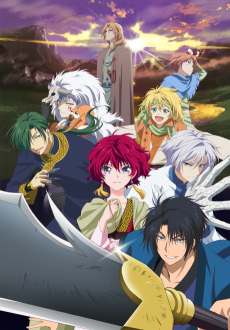
Yona of the Dawn
Since Yona is the only princess of a grand kingdom, she has been raised with great care by her doting father and protected by her childhood friend/guard Hak and others. However, her fate changes on her 16th birthday, when her beloved cousin Soo-won murders her father to claim the throne. She flees the castle to Hak's hometown and begins her new life.
(Source: Anime News Network)
📺Anime Details
📝Editorial Analysis
The scent of crushed mint leaves and damp earth rises as Yona stumbles barefoot through the forest, her silk sleeve torn, blood welling from a shallow cut on her forearm—not from battle, but from scrambling over rocks while fleeing. Her breath hitches not just from exhaustion, but from the silence—the absence of palace bells, of courtiers’ murmurs, of her father’s voice calling her Yona-hime. That silence isn’t empty. It’s thick with betrayal, yes—but also with the first tremor of something else: agency, raw and unpracticed, humming beneath her ribs like a half-strung bow.
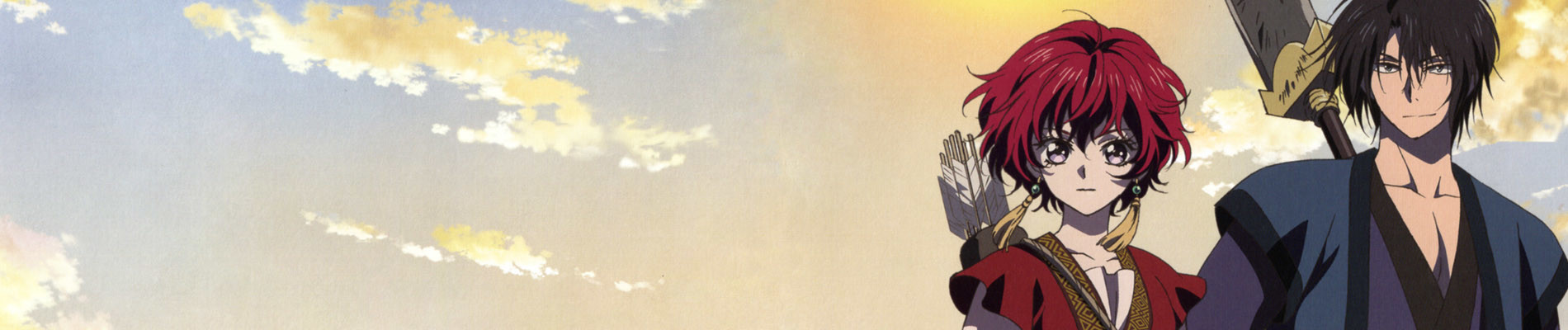
What makes Yona of the Dawn ache so deeply isn’t its dragons or royal coups—it’s how it holds grief and growth in the same trembling hand. This is an anime that refuses to let sorrow be passive. Every sunrise over unfamiliar hills, every shared meal with strangers who become kin, every time Yona draws her bow not to kill but to protect—it’s all steeped in quiet reverence for resilience. You don’t just watch her come of age; you feel the weight shift in your own chest as she stops measuring her worth by lineage and starts anchoring it in loyalty, in choice, in the stubborn warmth of human connection. It’s melancholic exploration, yes—but never despairing. Always forward-moving, even when the path is muddy and uncertain.
That emotional rhythm—the slow burn of political fracture giving way to intimate, character-scaled healing—resonates powerfully with Disco Elysium - The Final Cut. Its description calls it a “groundbreaking role playing game” where you carve a path across a whole city, and player reviews highlight its layered emotional narrative and its unexpected alignment with Romance & Shoujo dimensions—not through cliché confessions, but through vulnerability, miscommunication, and the quiet courage of showing up, broken, and still trying to care. Like Yona learning to trust Soo-won’s old allies despite her trauma, Disco Elysium forces you to reconcile ideology with empathy, theory with tenderness—making every dialogue choice feel personal, not procedural.
Then there’s Jade Empire™: Special Edition, whose description invites you to “step into the role of an aspiring martial-arts master” and choose between philosophies—open palm or closed fist—while its player reviews praise its mythic texture and emotional resonance. The parallel isn’t in combat systems, but in how both works root high-stakes mythology in grounded humanity: Yona’s dragon warriors aren’t just powers—they’re wounded people carrying ancestral burdens, just as Jade Empire’s spirits, sects, and forbidden magics reflect real moral weight, not spectacle. Both treat mythology not as backdrop, but as living inheritance—something to question, reinterpret, and carry forward with reverence.
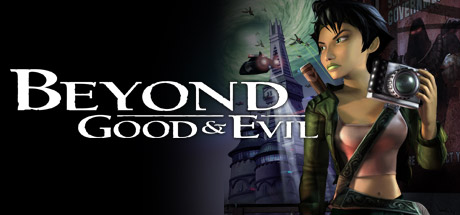
And you can’t ignore the quiet, resonant ache of Beyond Good and Evil™, where you play Jade—a young investigative reporter exposing government lies—and its description frames the struggle as planetary salvation, yet player reviews emphasize Emotional Narrative and Melancholic Exploration. Like Yona uncovering the rot beneath her kingdom’s gilded peace, Jade moves through a world where propaganda masks oppression, and resistance begins not with armies, but with listening—to a pig friend, to marginalized voices, to the hum of truth beneath official silence. Both protagonists wield compassion as their sharpest weapon, and both stories find heroism in persistence, not victory.
This pairing sings for the viewer who cries during quiet train rides at dawn—not because they’re sad, but because they’re awake. For the player who saves before every conversation in a JRPG not to avoid failure, but to savor the weight of each word. For anyone who’s ever held a map with no destination marked, yet kept walking—not out of hope, exactly, but out of recognition: that belonging isn’t found in palaces or titles, but in the shared, unguarded glance across a campfire, in the hand that reaches out before you’ve fully asked for help, in the slow, sure unfurling of a self you didn’t know was waiting.
🎮34 Games That Match the Vibe







Match Dimensions Explained
❓Frequently Asked Questions
Why is Disco Elysium listed as similar to Yona of the Dawn when it’s set in a gritty noir city and not a fantasy kingdom?
Great question—it’s not about setting, but *tone and emotional texture*. Like Yona’s quiet moments in the palace gardens or her fraught bond with Hak, Disco Elysium leans hard into melancholic introspection, political disillusionment, and slow-burn emotional intimacy—especially in scenes where your detective confronts his own fractured identity or shares vulnerable, shoujo-adjacent confessions with characters like Kim Kitsuragi or Evrart. Both use quiet dialogue and layered character writing to make ideology feel personal, not abstract.
Is there a Yona of the Dawn video game adaptation?
No—there’s never been an official Yona of the Dawn game, anime tie-in or otherwise. But if you’re craving that same blend of mythic stakes, tender romance, and emotionally grounded political tension, Jade Empire™: Special Edition hits closest: you play a martial arts prodigy navigating dynastic betrayal, forbidden love (like Sun Hai’s tragic arc), and folklore-infused choices between mercy and vengeance—just like Yona’s journey from sheltered princess to compassionate leader.
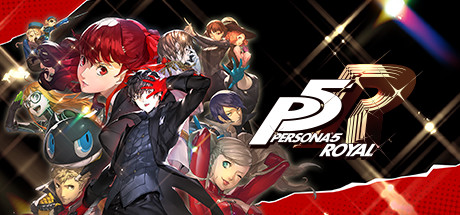
How does Persona 5 Royal compare to Beyond Good and Evil for Yona fans who love strong female leads and rebellion themes?
Both deliver fierce, intelligent heroines fighting corrupt systems—but their vibes diverge sharply. Persona 5 Royal’s Ann Takamaki or Makoto Niijima channel Yona’s growth through stylish, ensemble-driven JRPG storytelling (think bonding events at Leblanc or heist prep in Mementos), while Beyond Good and Evil’s Jade feels more like Yona’s early arc: a lone reporter using empathy and observation—not flash—to expose lies, like her tense infiltration of the DomZ compound echoing Yona’s stealthy recon in the Earth Tribe’s caves. Jade’s quieter, more grounded resistance mirrors Yona’s moral stamina over spectacle.
What’s the best game like Yona of the Dawn if I want that bittersweet, reflective mood—like watching sunset over Kouka with Hak?
Beyond Good and Evil™ is your top pick for that exact melancholic exploration vibe. Playing as Jade gliding across the ruins of Hillys at dusk, listening to Pey’j’s warm banter while uncovering buried truths, nails Yona’s poetic stillness amid turmoil—especially in moments like the silent, rain-soaked walk back to the lighthouse after a revelation. It’s less about combat flash and more about lingering in meaning, just like Yona’s quiet conversations beneath the cherry blossoms or her gaze across the sea toward the past.