
Naruto: Shippuden
Naruto: Shippuuden is the continuation of the original animated TV series Naruto. The story revolves around an older and slightly more matured Uzumaki Naruto and his quest to save his friend Uchiha Sasuke from the grips of the snake-like Shinobi, Orochimaru. After 2 and a half years Naruto finally returns to his village of Konoha, and sets about putting his ambitions to work, though it will not be easy, as he has amassed a few (more dangerous) enemies, in the likes of the shinobi organization; Akatsuki.
(Source: Anime News Network)
📺Anime Details
📝Editorial Analysis
Rain lashes Konoha’s training grounds—cold, sharp, relentless. Naruto kneels in the mud, knuckles split and bleeding, breath ragged, eyes locked on the Hokage Monument—not with awe, but hunger. Not for power alone, but for recognition, for the weight of a name that was once spit like poison. His orange jacket is soaked through, clinging like a second skin he can’t shed. This isn’t just a comeback—it’s a reckoning written in shivering muscle and unblinking resolve.

What makes Naruto: Shippuden ache so deeply isn’t its jutsu or its wars—it’s how it holds contradiction. It’s a shōnen built on tragedy, a revenge story that refuses vengeance, an orphan’s journey where love isn’t the reward—it’s the brutal, daily labor of showing up despite abandonment. You feel the grit of calluses forming over old wounds, the exhaustion behind every grin, the way hope isn’t bright or easy—it’s stubborn, scraped raw from the ground up. It makes you think about legacy not as inheritance, but as reclamation: who gets to define your story when everyone else has already written you off?
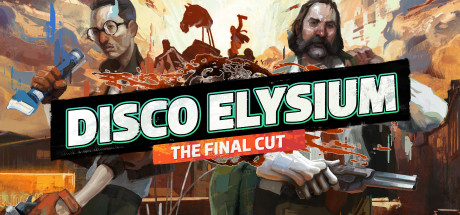
That same emotional DNA pulses in Disco Elysium - The Final Cut, where the player isn’t handed a hero’s arc—but a shattered detective stumbling through a city that remembers his failures before he does. The description calls it “a groundbreaking role playing game” where you carve your path across a whole city—and the player review drops a line that could’ve been ripped from Pain’s speech: “Capital has the ability to subsume all critiques into itself.” That’s the chilling mirror of Shippuden’s world: systems that grind people down until they internalize their own erasure. Naruto doesn’t defeat Akatsuki by overpowering ideology—he outlives it, rewrites it, chooses empathy even when logic screams otherwise. Disco Elysium doesn’t offer catharsis—it offers witnessing, the same quiet, devastating weight of watching someone rebuild their soul one fractured dialogue at a time.
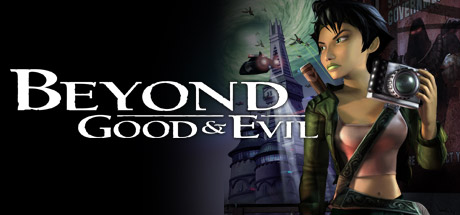
Then there’s Beyond Good and Evil™, where you play Jade—a young investigative reporter exposing a government conspiracy alongside her loyal pig friend Pey’j. The description frames it as a mission to “save your planet and its inhabitants,” and the player review calls it “Crazyyy game!”—but what lingers isn’t the action, it’s the moral texture. Like Naruto returning to Konoha only to find his village’s peace built on buried atrocities, Jade uncovers truths no one wants aired—not because they’re explosive, but because they’re inconvenient to the narrative of safety. Both stories treat trust as earned in increments: Naruto with Sai, with Kakashi, with Sakura; Jade with Double H, with the IRIS Network. Neither trusts institutions—they trust people, fiercely and messily, even when those people betray them.
And STAR WARS™ Jedi Knight - Jedi Academy™, though set among stars and sabers, shares something quieter: the weight of apprenticeship as identity. The description says you “take on the role of a new student eager to learn the ways of the Force”—not a chosen one, not a legend yet, but someone building discipline from scratch. The player review notes how the Padawan is “thrust into a Galaxy-spanning adventure to help…”—not to win, but to help. That echoes Naruto’s entire Shippuden arc: he doesn’t inherit mastery—he earns it through failed Rasengan variants, through losing to Sasuke twice, through learning that strength isn’t linear, it’s recursive. Jedi Academy doesn’t glorify destiny—it glorifies practice, repetition, humility. Just like when Naruto trains with Fukasaku on Mount Myōboku, voice cracking mid-sentence, frog oil stinging his eyes, still trying.
This pairing isn’t for fans of slick power fantasies or tidy resolutions. It’s for the ones who keep rewatching the Valley of the End—not for the lightning clash, but for the silence after, when Sasuke’s hand trembles inches from Naruto’s throat and neither moves. It’s for players who linger in Disco Elysium’s rain-soaked alleys, listening to their own thoughts argue in real time. It’s for anyone who’s ever held onto a belief—not because it’s easy, but because letting go would mean surrendering the last thing that still feels true. These are stories for the stubbornly hopeful, the quietly furious, the ones who know healing isn’t a finish line—it’s the mud, the rain, the breath you take before you stand again.
🎮17 Games That Match the Vibe





Match Dimensions Explained
❓Frequently Asked Questions
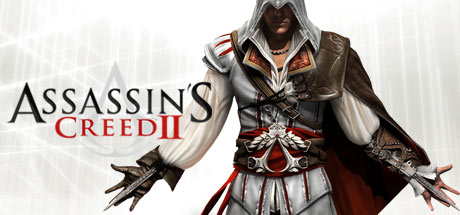
Why does Naruto: Shippuden feel so different from Assassin's Creed even though both have ninja themes?
Great question — it’s all about *what kind of ninja* they focus on! Naruto leans hard into chakra, jutsu battles, and emotional rivalries (think Sasuke vs. Naruto at the Valley of the End), while Assassin's Creed is grounded political thriller ninja-ing: parkour across Jerusalem, stealth takedowns, and philosophical assassinations rooted in real-world Templar-Hashshashin tensions. The combat systems don’t overlap either — no Rasengan combos here, just hidden blades and crowd-blending.
Is there a Naruto: Shippuden anime adaptation game that actually captures the Chunin Exams arc well?
No — none of the official Naruto games fully nail the tension and pacing of the Chunin Exams like the anime does. But *STAR WARS™ Jedi Knight - Jedi Academy* comes surprisingly close in *spirit*: you’re a new Padawan tested under pressure (like Naruto in the Forest of Death), facing escalating trials, choosing your lightsaber style mid-fight, and even getting betrayed by a mentor-figure — it’s got that same 'proving yourself' energy, just with blasters instead of shadow clones.
How does Beyond Good and Evil compare to Naruto: Shippuden as a story-driven action game?
Both are political thrillers wrapped in vibrant worlds where young heroes uncover government lies — but Jade’s fight against the Alpha Section in *Beyond Good and Evil* trades ninja lore for investigative grit and quiet emotional beats (like her bond with Pey’j), whereas Naruto’s stakes are more personal and mythic (Hokage dreams, Akatsuki schemes). Mechanically, Jade’s whip-and-camera combo feels more grounded than Rasengan spam, but both reward curiosity and heart over pure power.
What’s the best game like Naruto: Shippuden if I want that ‘epic hero’s journey’ vibe but with deeper dialogue and less combat spam?
Go straight to *Disco Elysium - The Final Cut*. It swaps kunai for a broken-down detective, but nails the ‘hero’s journey through trauma’ better than almost anything — think Naruto’s talk-no-jutsu moments dialed up to eleven, with skill checks like ‘Logic’ or ‘Empathy’ deciding whether you de-escalate a riot or accidentally confess your own failures. No chakra, yes existential dread — and it’s got that same raw, human weight behind every big choice.