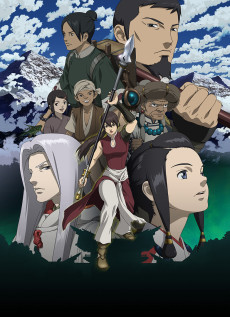
Moribito: Guardian of the Spirit
Balsa’s prowess in battle is legendary, but the weight of death bears heavily on the spear-wielding mercenary’s soul. To atone, she has sworn to save 8 lives, no matter what the cost, and now only one life remains. Prince Chagum has been blessed with the power to stave off the droughts that threaten to starve and destroy his father’s empire, but he has been accused of being possessed by evil spirits, and court officials have set his own father against him. Condemned to death, he is saved by Balsa’s intervention and now, together, the two must unravel the secret of Chagum’s powers and the spirit behind them… before the armies sent to murder them can succeed!
(Source: Sentai Filmworks)
📺Anime Details
📝Editorial Analysis
The rain in Moribito: Guardian of the Spirit doesn’t fall—it settles, cold and heavy on Balsa’s shoulders as she kneels beside Prince Chagum in the reeds, her spear tip buried deep in mud, not blood. Her breath is slow, controlled—not from calm, but from refusal: refusal to let her next strike be the one that breaks her vow. That single image—wet cloth clinging to her back, a child trembling not from fear of death but from the unbearable weight of being needed—is where the anime lives. Not in spectacle, but in the quiet, aching space between duty and mercy.
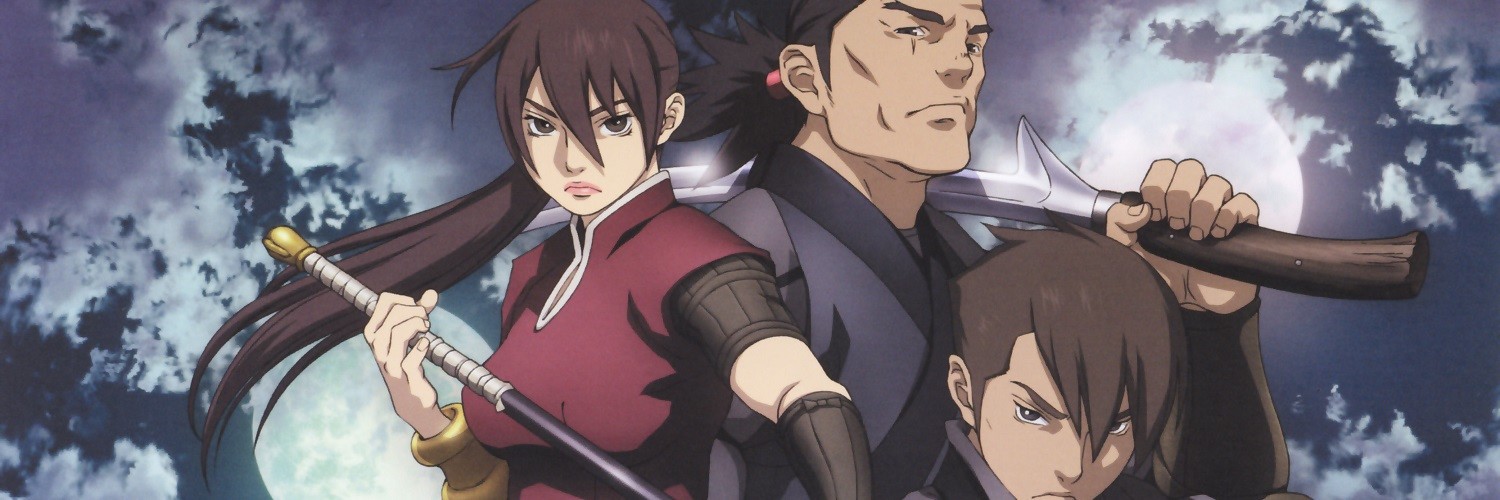
What makes Moribito vibrate with such rare gravity isn’t its fantasy scaffolding or even its precise, grounded spearplay—it’s how deeply it trusts stillness. This is an anime that lets silence breathe, that treats political betrayal and spiritual possession not as plot devices but as wounds that scar the soul’s architecture. You don’t feel excited watching it—you feel tender, then resolute, then quietly shaken by how much moral weight a single life can hold. It asks you to sit with consequence—not just of violence, but of silence, of complicity, of choosing who to protect when no choice is clean. The world feels historically textured, yes—but more importantly, emotionally consequential. Every decision echoes. Every life saved carries the ghost of one already lost.
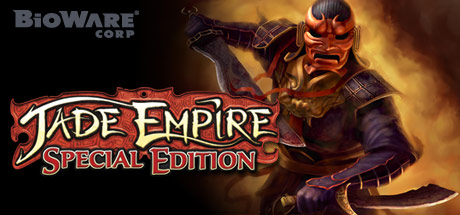
That same emotional DNA pulses through Jade Empire™: Special Edition, where martial discipline isn’t about domination but embodiment—a path walked with open palm or closed fist, each choice rippling outward like ripples in water after Balsa pulls her spear from the earth. Its “Mythology & Folklore” dimension isn’t decorative; it’s ethical infrastructure—just like Moribito’s spirits aren’t monsters to slay, but forces tied to drought, memory, and sovereignty. A player review notes the game’s “Emotional Narrative,” and that’s the key: like Balsa, the protagonist must reconcile skill with conscience, power with humility—and do it without fanfare. No grand monologues, just sweat, stance, and the quiet weight of what your hands choose to do.
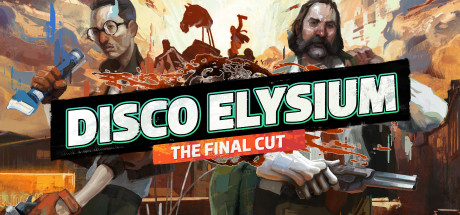
Then there’s Disco Elysium - The Final Cut, where politics isn’t backdrop—it’s atmosphere, thick and suffocating as the fog over the capital city. Its “Political Thriller” and “Emotional Narrative” dimensions mirror Moribito’s court intrigue not in scale, but in intimacy: both dissect how ideology weaponizes truth, how fathers turn on sons not out of malice alone, but because systems demand sacrifice. That player review quoting capital’s cruel irony—“Capital has the ability to subsume all critiques into itself”—lands with the same gut-punch as watching Chagum’s own father sign his death warrant, believing he serves the empire’s survival. Neither story blames individuals first; both trace the poison upstream—to institutions that calcify compassion into procedure.
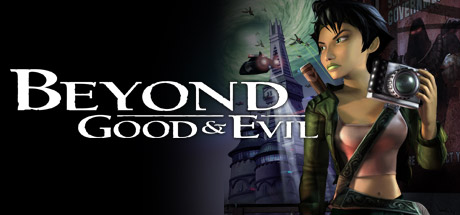
And Beyond Good and Evil™ shares that fierce, protective tenderness: Jade, like Balsa, is a woman trained in combat who wields it not for glory but guardianship—for her people, her pig friend Pey’j, her planet under siege. Its “Political Thriller” core isn’t abstract; it’s embodied in stolen footage, whispered warnings, the visceral dread of surveillance. A player calls it “Crazyyy,” but what’s truly wild is how much heart it commits to resistance rooted in care, not rage—the same way Balsa’s final vow isn’t vengeance, but witnessing. Both stories make defiance feel tender, urgent, and stubbornly human.
This pairing sings for the viewer who watches battle scenes not for adrenaline but for the tremor in a wrist before the strike—who reads political maneuvering not as chess, but as grief in slow motion—who plays games not to win, but to hold space for someone else’s survival. It’s for the adult who remembers what it costs to choose kindness in a world that rewards hardness—and who still, against all odds, reaches for the spear, the staff, the camera, the notebook—not to conquer, but to keep. To guard. To say, I see you. I stay.
🎮8 Games That Match the Vibe
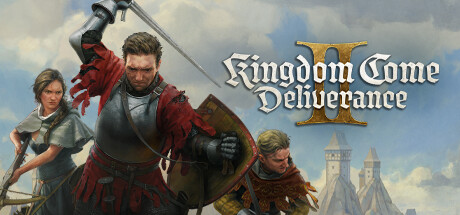
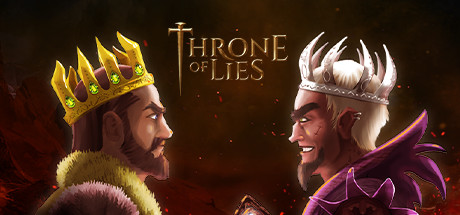
Match Dimensions Explained
❓Frequently Asked Questions
Why is Jade Empire recommended for Moribito fans despite being a martial arts game?
Because both lean hard into mythic worldbuilding and emotionally grounded coming-of-age journeys—like Moribito’s Balsa protecting Chagum, Jade Empire’s protagonist trains under Master Li while navigating political betrayal and spiritual duty in a richly realized East Asian-inspired realm. The ‘open palm or closed fist’ moral system mirrors Moribito’s quiet intensity and emphasis on choice with consequence, not spectacle.
Is there a Moribito: Guardian of the Spirit video game adaptation?
No—there’s never been an official Moribito game adaptation. That’s why fans turn to titles like Beyond Good and Evil, where Jade’s role as a compassionate yet tenacious protector (think: shielding her orphanage from government forces with Pey'j at her side) echoes Balsa’s guardianship, down to the quiet stakes and morally layered world.
How does Disco Elysium compare to Beyond Good and Evil for Moribito vibes?
Beyond Good and Evil nails the *visual* and *relational* warmth of Moribito—Jade’s bond with Pey'j and her investigative grit feel like spiritual cousins to Balsa and Chagum’s trust-building journey. Disco Elysium shares the emotional depth and political weight, but its fragmented, cerebral tone (e.g., internal monologues dissecting capital while chasing clues in Martinaise) trades Moribito’s serene tension for something more abstract and dissonant.
What’s the best game like Moribito if I want that calm-but-urgent guardian mood?
Go straight to Beyond Good and Evil—the 20th Anniversary Edition, as one player insists it fixes the original’s bugs. Jade’s measured courage, her mission to protect the vulnerable amid systemic corruption (like sneaking into the Alpha Section base to rescue captives), and the gentle rhythm of exploration + dialogue mirror Moribito’s hushed intensity far more than flashier action RPGs.