
Castle in the Sky
This high-flying adventure begins when Pazu, an engineer's apprentice, finds a young girl, Sheeta, floating down from the sky wearing a glowing pendant. Together they discover both are searching for a legendary floating castle, Laputa, and vow to unravel the mystery of the luminous crystal around Sheeta's neck. Their quest won't be easy, however. There are greedy air pirates, secret government agents and astounding obstacles to keep them from the truth, and from each other.
(Source: Disney)
📺Anime Details
📝Editorial Analysis
The wind doesn’t whistle—it sings. Not in melody, but in layered, resonant hum: the groan of riveted iron hulls, the hiss of steam escaping copper valves, the low thrum of propellers cutting through cloud-thin air as the Tiger Moth banks hard over a canyon carved by centuries of rain and silence. Below, Sheeta’s pendant pulses—not with menace, but with quiet insistence, a soft blue light that doesn’t illuminate so much as remember. Pazu grips the controls, knuckles white, not from fear, but from the unbearable weight of something ancient breathing just out of sight—something that fell, but never died.
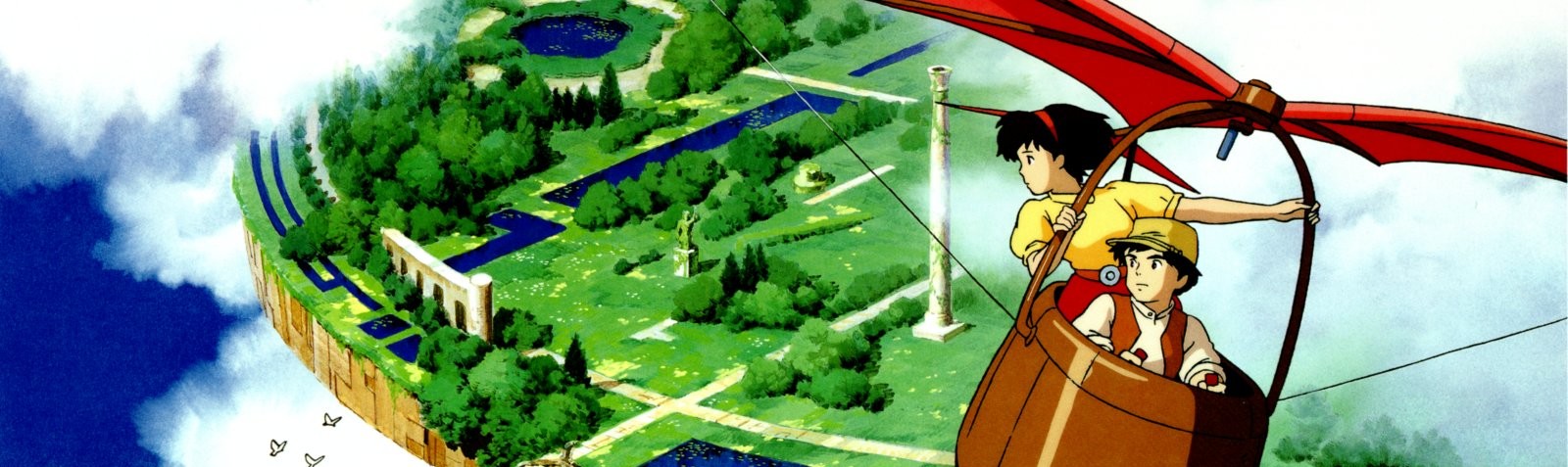
That feeling isn’t wonder alone. It’s melancholic exploration: the ache of standing on the edge of a ruin you’ve spent your life dreaming of, only to realize the dream was never about arrival—it was about the flight toward it. Castle in the Sky doesn’t trade in conquest or domination. Its sci-fi is tender, its steampunk warm with oil-slicked brass and hand-stitched leather. Its lost civilization isn’t a vault of power to seize, but a garden suspended in gravity’s pause—a place where machines grow like vines and memory lives in stone and crystal. There’s no triumphant fanfare when Laputa descends; there’s only stillness, then wind, then the slow, solemn unfurling of roots into sky. You don’t feel small beneath it—you feel recognized, as if the world has been waiting for you to remember how to look up without flinching.
That same hushed reverence lives in Assassin's Creed™: Director's Cut Edition, where player reviews confess to walking not to complete objectives, but to breathe—to trace the grain of Jerusalem’s sun-baked stone, to watch dust motes hang in shafts of light inside a Crusader chapel, to feel the political weight of every rooftop leap. Its “Political Thriller” dimension isn’t about scheming villains—it’s about the quiet erosion of ideals, the way power calcifies in architecture and bureaucracy. Like Sheeta’s pendant, the Animus interface glows with inherited memory—not as weapon, but as burden and compass. You explore not to dominate history, but to reconcile with it. The melancholy isn’t despair—it’s the sorrow of continuity, of knowing your hands are holding the same fragile thread as those who came before.
Then there’s Beyond Good and Evil™, where Jade moves through a world under occupation—not with guns blazing, but with a camera, a notebook, and Pey’j’s low, grounding grunts. Its description names the mission plainly: expose a terrible government conspiracy. But the player review doesn’t talk about combat—it urges you to play the 20th Anniversary edition, because the original’s bugs disturb the texture, the lived-in grit of a resistance built on whispers and stolen film reels. That texture mirrors Castle in the Sky’s fugitive rhythm: the military isn’t faceless evil—it’s men in polished boots who believe their orders are clean, just as Muska believes Laputa’s logic is inevitable. Both stories treat ideology as weather—inescapable, shaping everything, yet breathable only when you find shelter in loyalty, in craft, in the stubborn warmth of shared tea aboard a rickety airship.
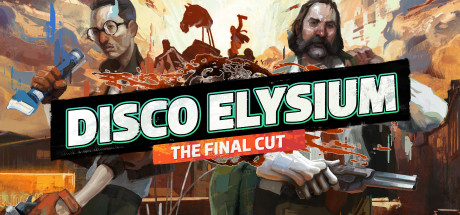
Even Disco Elysium - The Final Cut, with its dense, philosophical sprawl, echoes this emotional frequency. Its “Political Thriller” layer isn’t plot-driven intrigue—it’s the slow dawning that capital itself is the antagonist, not as cartoon villain, but as atmosphere: the way rent is due even as you hallucinate Marxist theory in alleyways, the way your own skills argue with each other while you stand before a broken-down crane in a rustbelt port city. The player review quotes capital’s cruel irony—that critique gets absorbed, digested, made profitable. And yet—there’s poetry in the decay. Like Laputa’s final descent, Disco Elysium’s ending isn’t victory, but continuance: you keep walking. You keep listening. You keep trying to name the wind.
These pairings aren’t for fans of spectacle or speed. They’re for the person who pauses mid-gameplay to watch pigeons scatter off a gargoyle in Assassin’s Creed, who saves Disco Elysium’s journal entries like letters from a friend, who replays Jade’s quiet moments on the lighthouse balcony—not for lore, but for the way her breath fogs the glass. They’re for viewers who felt Sheeta’s grief not when the castle falls, but when she places her palm on its moss-covered wall and feels the vibration of a heartbeat long thought extinct. For them, the magic isn’t in the flying—it’s in the listening. In the hush before the engine starts. In the luminous, trembling weight of something true, finally found.
🎮5 Games That Match the Vibe

Match Dimensions Explained
❓Frequently Asked Questions
Why does Beyond Good and Evil keep coming up in Castle in the Sky discussions?
Because Jade’s quiet courage, her bond with the gentle, loyal pig Pey'j, and the film’s anti-militarist themes all echo Sheeta and Pazu’s journey—especially the aerial island of Lorandia mirroring BG&E’s floating capital of Hillys. Both lean hard into melancholic exploration and political thriller vibes, with Jade investigating government lies just like how Sheeta uncovers the truth behind Laputa’s legacy.
Is there a video game adaptation of Castle in the Sky?
No—there’s never been an official Castle in the Sky game, despite decades of fan hope. But Disco Elysium nails the *spirit*: its rain-soaked city of Revachol feels like a grounded, gritty cousin to Laputa—full of forgotten tech, crumbling utopian ideals, and characters haunted by history, much like the ancient, overgrown ruins Sheeta discovers.
Beyond Good and Evil vs. Assassin’s Creed: which one captures Castle in the Sky’s sense of wonder better?
Beyond Good and Evil wins hands-down for wonder—it’s got that same childlike awe mixed with moral weight: soaring gliders, hidden islands, and the emotional punch of Jade and Pey’j watching the sunset together, just like Sheeta and Pazu gazing at Laputa’s gardens. Assassin’s Creed leans more into political thriller grit (think the Templar conspiracy) than sky-island magic, even if its rooftop parkour echoes the film’s verticality.
What’s the best game like Castle in the Sky if I want that bittersweet, hopeful-yet-haunted feeling?
Disco Elysium — especially its ‘Melancholic Exploration’ dimension — delivers that exact vibe: a world where ancient machines hum beneath broken streets, memories surface like fog, and hope flickers quietly amid decay—just like Laputa’s overgrown gardens or Sheeta’s lullaby echoing across ruins. Its detective, like Sheeta, carries inherited trauma but chooses compassion anyway.