
PERSONA5 the Animation
📺Anime Details
📝Editorial Analysis
The first time Joker steps into Shido’s Palace—glass shattering not outward but inward, walls folding like origami made of broken contracts, the air thick with the scent of burnt sugar and static—the world doesn’t just shift. It recoils. His mask isn’t pulled on; it settles, like breath returning after a chokehold. No fanfare, no swelling strings—just the low, wet crack of a psyche splitting open under pressure, and the quiet, terrifying clarity of seeing someone’s guilt as architecture. That’s not spectacle. That’s confession made structural.
What PERSONA5 the Animation does—and what nothing else quite replicates—is make rehabilitation feel like rebellion. Not the cartoonish kind, but the slow, grinding, deeply personal kind: where changing a single heart means dismantling the very logic that lets corruption breathe in broad daylight. It’s neon noir not because of the lighting (though yes, the rain-slicked Shibuya crosswalks glow like synapses firing), but because every alleyway hums with moral ambiguity, every classroom desk holds the weight of unspoken coercion, every “change of heart” is earned through confrontation—not with monsters, but with systems: the justice system that silences victims, the education system that grades compliance over conscience, the social system that rewards silence. You don’t just watch characters grow—you feel the resistance in their shoulders when they refuse to look down, the tremor in their voice when they name abuse aloud for the first time. It’s exhausting. It’s necessary. It’s alive.
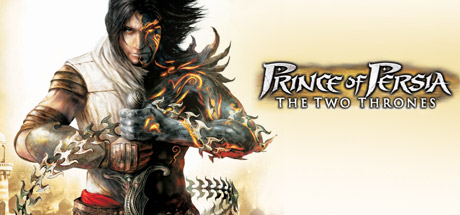
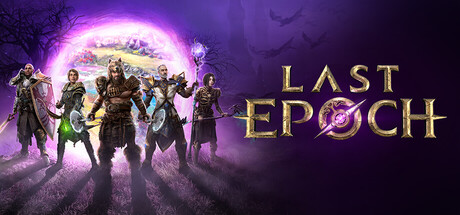
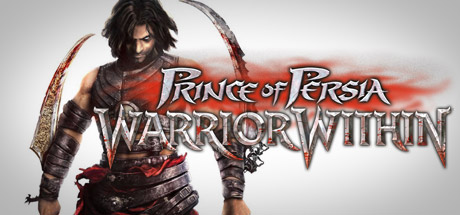
That same electric tension lives in Prince of Persia: The Two Thrones™, where the Prince returns home only to find Babylon already infected—not by an army, but by a rot he helped unleash. Like Joker walking into Mementos’ shifting corridors, the Prince navigates a city whose memory has been weaponized, its streets rearranged by trauma and deceit. The player review calls it “one of my best childhood games… still plays great”—and that nostalgia isn’t for platforming alone. It’s for the weight of consequence: every misstep fractures time, every choice echoes in Kaileena’s fractured presence, just as every Phantom Thief heist forces a reckoning with complicity. Then there’s Prince of Persia: Warrior Within™, where Dahaka isn’t chasing the Prince across rooftops—it’s chasing himself, a literal embodiment of consequence given fang and fury. The player says the Dahaka chase is “still as goated as it was before,” and that’s the key: it’s not about speed or reflexes—it’s about inescapability. Like how Futaba’s grief reshapes her Palace into a collapsing server room, or how Okumura’s greed warps his restaurant into a grotesque meat grinder, Dahaka is the past refusing to stay buried. And Last Epoch, though less mythic in framing, shares that same dimension: “Time & Memory, Action Spectacle.” Its player reviews don’t dwell on loot—they praise the rhythm of unraveling fate, of rewinding seconds not to cheat death, but to reclaim agency. That’s the heartbeat of PERSONA5 the Animation: time isn’t a resource to hoard—it’s a wound to suture, a lie to overwrite, a memory to rehabilitate.
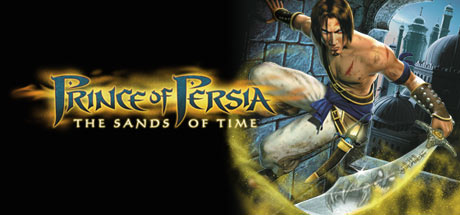
Who feels this? Not just fans of masks or magic daggers. It’s the person who paused mid-episode when Ann stood in front of the mirror and finally saw herself—not as a tool, not as a trope—but as a claimant. It’s the player who didn’t skip the Dahaka chase, but leaned in, breath held, because being hunted felt less like danger and more like recognition. It’s the one who replays The Sands of Time not for the acrobatics, but for that moment the Prince rewinds—not to win, but to witness the truth he’d ignored. These aren’t stories about power fantasies. They’re about the tremor before the stand, the silence before the name, the second you realize your own mind has been occupied—and decide to evict. That’s the shared pulse: urgent, unflinching, and ferociously tender.
🎮18 Games That Match the Vibe


Match Dimensions Explained
❓Frequently Asked Questions
Why is Prince of Persia: The Sands of Time compared to PERSONA5 the Animation?
Because both lean hard into stylish, time-bending storytelling with morally grey antiheroes—like the Prince’s guilt-ridden rewind mechanic mirroring Joker’s ‘All-Out Attack’ confidence and rebellion against corrupt systems. The Sands of Time’s palace intrigue, masked identities, and that iconic dagger (which literally manipulates memory/time) hit the same neon-noir, psychologically charged vibe as PERSONA5’s Velvet Room and cognitive worlds.
Is there a game adaptation of PERSONA5 the Animation?
No—there’s no official game adaptation of the anime itself. The games that *feel* like it (like Prince of Persia: The Two Thrones or Warrior Within) borrow its tone: slick urban decay, high-stakes personal transformation, and surreal action set-pieces—think Kaileena’s tragic arc in Two Thrones echoing Ann Takamaki’s emotional arc, or Dahaka’s relentless chases matching the tension of a Shadow boss fight.
How does Prince of Persia: Warrior Within compare to Last Epoch for PERSONA5 fans?
Warrior Within nails PERSONA5’s brooding, rain-slicked atmosphere and visceral combat—imagine dodging Dahaka through crumbling Babylonian ruins while Last Epoch delivers the deep build-crafting and loot-driven rhythm you’d want after a long day in Shibuya. Both share that ‘Action Spectacle’ intensity, but Warrior Within leans into cinematic grit and psychological dread (that sand-covered, scarred Prince? Total Joker energy), while Last Epoch trades narrative intimacy for sprawling class fantasy.
What’s the best game like PERSONA5 the Animation if I want that stylish, time-bending, emotionally intense vibe?
Go straight to Prince of Persia: The Two Thrones—it’s got the neon-noir lighting, time/memory themes, and layered character arcs you crave. Kaileena’s sacrifice, the Prince’s fractured identity, and those jaw-dropping set-pieces (like the final battle atop the crumbling palace) mirror PERSONA5’s blend of visual flair and emotional weight far more than Loki’s glitchy mythological sprawl or Last Epoch’s pure action-RPG grind.