
Welcome to the N-H-K
Satou’s life – or what’s left of it – is a paranoid mess of conspiracy theories and social anxieties. He’s terrified of the outside world; his apartment is overflowing with the remnants of cheap take-out food; and his retinas have been permanently scarred by a steady diet of internet porn. But maybe it’s not all his fault. After all, the nefarious N-H-K is out there, and they’re determined to turn society’s fringe-dwellers into a brainwashed lot of jobless, hopeless, futureless recluses.
Enter Misaki – a mysterious girl-next-door type who is Satou’s last chance to beat down his inner demons and venture out into the light of day. She’s ready to help him overcome his crippling phobias, but Satou would rather cower in his existential foxhole and pretend to work on the demo for his virtual sex game.
He’s afraid to face the world. She’s strangely desperate to fix a total stranger. Maybe together they can be normal.
(Source: Funimation)
📺Anime Details
📝Editorial Analysis
The smell hits first—not in the anime, but in your memory: stale ramen broth congealing at the edge of a disposable container, the faint chemical tang of old CRT monitor dust, and the damp warmth of a room sealed too long. That’s where Welcome to the N-H-K lives—not in plot beats, but in the weight of Satou’s breath as he pauses mid-scroll, finger hovering over a forum post titled “N-H-K Recruitment Tactics (Confirmed via CCTV Glitch #47)”, his pupils dilated not from light, but from the sheer effort of believing something—anything—holds meaning outside his apartment walls.
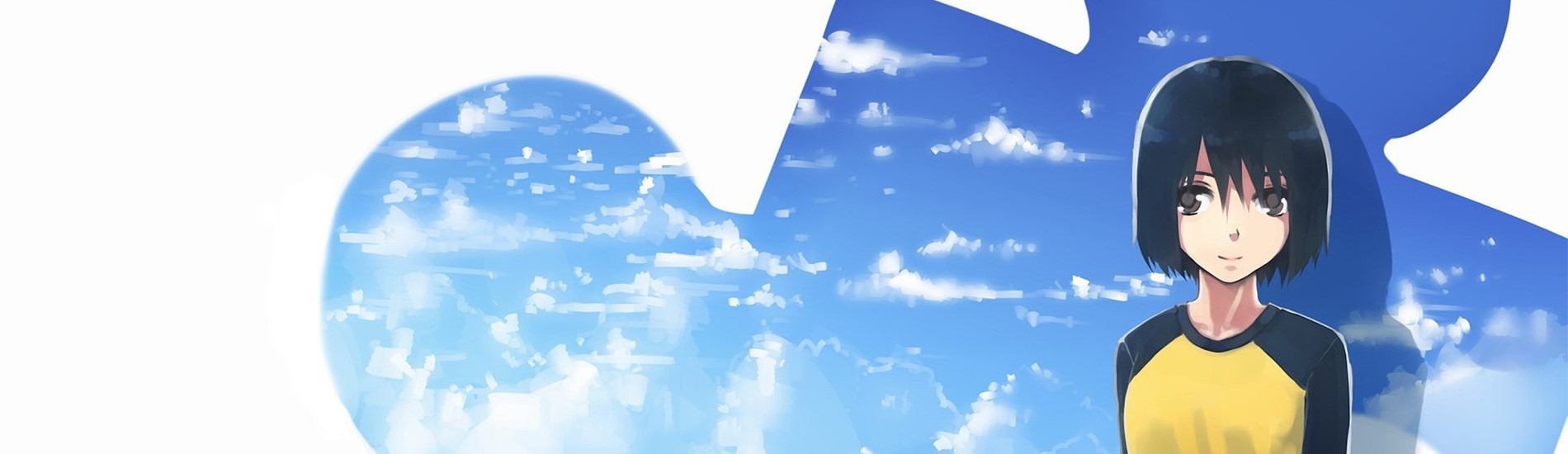
This isn’t just slice-of-life. It’s atmospheric claustrophobia with philosophical static. The show doesn’t ask you to empathize with hikikomori life as a trope—it forces you to inhabit its logic: how paranoia calcifies into structure, how isolation breeds its own rigorous ethics, how every knock on the door vibrates with both terror and desperate, unspoken hope. You don’t watch it to escape; you watch it to recognize the hum beneath your own thoughts—the low-frequency buzz of adult dread, the quiet shame of deferred becoming, the way philosophy curdles into conspiracy when real agency feels permanently out of reach. It’s exhausting, yes—but also strangely tender, because Satou’s delusions aren’t random; they’re scaffolding holding up a self that otherwise might collapse entirely. His world is small, yes—but it’s dense, layered with half-remembered anime dialogue, fragmented economic theory, and the crushing intimacy of takeout receipts stacked like sedimentary rock.
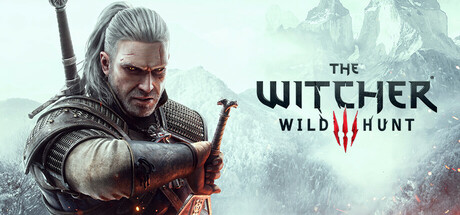
That same density—the feeling of being buried alive by your own mind while the world rages on outside—is why The Witcher 3: Wild Hunt resonates so sharply. Not because of monsters or swords, but because Geralt moves through a continent already broken, where war, plague, and ideology have hollowed out institutions—and all that’s left is personal consequence, moral erosion, and the slow, grinding work of choosing something, however small, to protect. The player review nails it: “DLC announced 11 years after release, my favourite game keeps getting better…” — that’s the N-H-K feeling made interactive: time doesn’t heal, but it accumulates weight, texture, unresolved grief. Like Satou scrolling forums at 3 a.m., Geralt reads witcher journals written in fading ink, chasing a daughter who may already be gone—not for closure, but because stopping would mean admitting the search itself was the only thing keeping him human.
Then there’s BioShock™, where Rapture isn’t a setting—it’s a thought experiment made flesh, a utopia built on absolute individualism that curdled into dystopia because no one accounted for the human cost of their grand ideas. The description calls it a Political Thriller, but what lingers is the suffocating architecture of failed idealism—the leaking pipes, the flickering advertisements promising paradise while corpses float past portholes. The player review says it “genuinely changed the gaming world”—not with tech, but with emotional architecture. Like Satou’s N-H-K conspiracy, Rapture’s collapse isn’t sudden; it’s the slow, inevitable rot of systems pretending to ignore psychology, trauma, and the sheer mess of being alive. Both demand you sit with the discomfort of realizing the enemy isn’t out there—it’s baked into the design.
And Tank Universal, absurd as it sounds, carries the same ache. Its description mentions “a rich virtual sci-fi 3D world”, but the player review reveals the real resonance: “Play cool tank game with dad when you were 6… time goes on; loose access to game. Grew up dad passes away…” That’s the N-H-K heartbeat—nostalgia not as comfort, but as evidence of loss, a digital artifact holding the ghost of safety, of connection, of a time before the world got too loud, too sharp, too real. The tank isn’t power—it’s a shell. The neon grid isn’t freedom—it’s the only map you still trust.
This pairing isn’t for fans of “dark stories.” It’s for people who’ve ever stared at a ceiling fan and calculated, with terrifying precision, how many rotations until they finally feel okay again. For those who know the difference between loneliness and solitude—and how thin the line is. For anyone who’s built an entire worldview out of Wikipedia rabbit holes and late-night anime subtitles, not because they’re broken, but because building something, even if it’s flawed, is the only way to keep the silence from winning.
🎮26 Games That Match the Vibe






Match Dimensions Explained
❓Frequently Asked Questions
Why does BioShock keep coming up in 'Games Like Welcome to the N-H-K' lists?
Because both dive deep into psychological isolation and societal decay—BioShock’s Rapture mirrors N-H-K’s Tokyo as a crumbling, ideologically saturated space where the protagonist’s descent feels painfully personal. You’re not just fighting splicers; you’re confronting your own complicity in a broken system, much like Tatsuhiro’s slow unraveling amid cults, conspiracy theories, and self-imposed exile.
Is there a visual novel or anime adaptation of The Witcher games that captures the same vibe as Welcome to the N-H-K?
No—the Witcher games themselves *are* the adaptations (loosely based on Sapkowski’s novels), but they share N-H-K’s ‘adult & dark seinen’ dimension through morally grey choices and emotional weight. Think of Geralt’s quiet exhaustion in The Witcher 2’s Flotsam brothel scene, or his strained bond with Triss versus Tissaia—less about romance, more about loneliness masked by duty, just like Tatsuhiro’s hollow routines.
How does Tank Universal compare to BioShock for someone who loves N-H-K’s mix of surreal dread and domestic collapse?
Tank Universal leans harder into fragmented memory and generational loss—like when you recall playing it at age 6 with your dad, then losing access, then grieving him later—mirroring N-H-K’s themes of arrested development and haunting nostalgia. BioShock gives you Rapture’s decaying art deco grandeur and philosophical monologues; Tank Universal gives you glitchy neon tank combat and raw, first-person grief buried in its sound design and player review.
What’s the best game like Welcome to the N-H-K if I want that heavy, slow-burn feeling of being trapped in my own head while the world moves on?
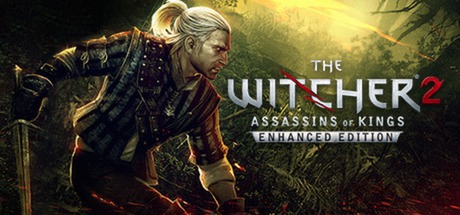
The Witcher 2: Assassins of Kings Enhanced Edition—it nails that suffocating weight of consequence. Remember the siege of Vergen? You’re stuck in narrow alleys, making brutal choices under pressure, and even your victories feel hollow, like Tatsuhiro’s ‘successes’ that leave him more isolated. The game’s tight pacing, muted palette, and Geralt’s weary silence make it feel less like an adventure and more like surviving your own unraveling.