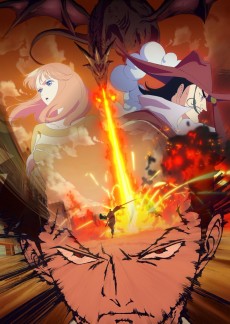
MONSTERS: 103 Mercies Dragon Damnation
MONSTERS: 103 Mercies Dragon Damnation by Eiichiro Oda tells the tale of Ryuuma, the legendary swordsman that hails from the Land of Wano in One Piece.
A samurai's path leads him to a young waitress whose hometown was destroyed by a dragon. He doesn't want any trouble - but it finds them anyway.
(Source: Netflix Anime, edited)
📺Anime Details
📝Editorial Analysis
The clink of a teacup settling on worn wood. Ryuuma’s hand, calloused and still—not reaching for the sword at his hip. Across the table, the waitress’s knuckles whiten around her own cup; her eyes don’t lift, but her breath catches—just once—as if remembering the heat, the roar, the silence after. No dragon appears on screen. No flame licks the frame. Yet the air is thick with ash.
That’s the weight MONSTERS: 103 Mercies Dragon Damnation carries—not in spectacle, but in absence. It’s the hush after tragedy, the quiet hum of conspiracy vibrating beneath a restaurant’s daily rhythm. This isn’t samurai action as catharsis; it’s samurai action as restraint—every drawn breath measured against what could erupt. The time skip isn’t about power-ups or revenge arcs—it’s about how long grief settles into the bones before someone finally looks up. You feel the historical texture not in ornate costumes, but in the way rice is served, how silence hangs between words like smoke, how a dragon’s destruction isn’t shown in fire, but in the empty chair at the counter where a regular used to sit. It makes you think about mercy as labor—not grand gesture, but showing up, again and again, when the world has already decided your town doesn’t matter.
Disco Elysium - The Final Cut resonates because both works treat systemic rot as atmosphere, not backdrop. The anime’s conspiracy isn’t whispered in shadowy chambers—it’s in the tax ledger the waitress quietly balances while Ryuuma watches the road, in the way the local magistrate thanks them for “keeping things calm.” Just like Disco Elysium’s player review notes “Capital has the ability to subsume all critiques into itself,” MONSTERS lets you feel how easily resistance gets folded into routine—the dragon may have burned the village, but now the officials are rebranding the ruins as a “scenic redevelopment zone.” Both refuse easy binaries: no mustache-twirling villains, only institutions that absorb pain and call it order. The emotional DNA is in that exhausted, aching clarity—knowing the system is broken, yet still pouring tea, still filing reports, still choosing one more day of bearing witness.
Beyond Good and Evil™ shares that same investigative tenderness buried under political dread. Jade doesn’t wield a sword—she wields a camera, a notebook, a loyalty to truth that feels almost foolish in the face of overwhelming state machinery. Like Ryuuma, she’s a male protagonist in name only—the heart of the story beats strongest in the young woman who refuses to look away. The anime’s waitress isn’t passive; she’s the one who names the dragon’s origin, who traces its path through old maps and survivor accounts—just as Jade pieces together propaganda cracks with Pey’j at her side. The player review calls it “Crazyyy game!”—and yes, there’s wild energy—but it’s the fury beneath the fun, the way humor and warmth persist despite surveillance drones and censored broadcasts, that mirrors MONSTERS’ restaurant scenes: laughter over miso soup, then a glance at the boarded-up shrine down the street. Both understand that resistance isn’t always loud—it’s remembering names, saving receipts, keeping the lights on.
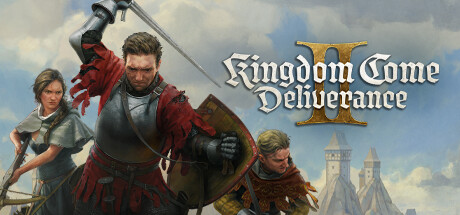
Dark Messiah of Might & Magic, though grittier in execution, shares the anime’s physical gravity. Ryuuma’s swordplay isn’t flashy choreography—it’s economy, precision, the weight of steel meeting bone, the way he chooses not to draw until the floorboards tremble under the wrong kind of footsteps. The game’s description promises “ferocious combat in a dark and im”—cut off, like trauma itself—and its player review praises “a fantastic melee combat game that still holds up pretty well today.” That endurance matters. Both MONSTERS and Dark Messiah treat violence as consequential, exhausting, tactile. When Ryuuma finally moves, you feel the strain in his shoulders—not just the triumph. There’s no respawn. No save point before the dragon’s shadow falls. Just muscle memory, consequence, and the terrible beauty of a body trained to protect, even when protection feels like surrender.
This pairing is for the person who cries during a cooking montage, who pauses mid-battle to watch rain hit a broken roof tile, who reads political theory and orders takeout from the same place every Tuesday. For the one who knows mercy isn’t soft—it’s the hardest thing you’ll ever hold onto.
🎮7 Games That Match the Vibe
Match Dimensions Explained
❓Frequently Asked Questions
Why is MONSTERS: 103 Mercies Dragon Damnation compared to Disco Elysium — aren’t they totally different genres?
They’re both political thrillers with heavy emotional narratives, even though MONSTERS leans into mythic action while Disco Elysium is a dialogue-driven detective RPG. You’ll recognize the same layered moral ambiguity — like when Detective Harrier’s internal monologues in Disco Elysium echo the fractured, guilt-ridden voiceovers during the ‘Mercy Trial’ cutscenes in MONSTERS, and both use systemic dialogue (e.g., Disco’s Skill Checks vs. MONSTERS’ ‘Soul Resonance’ choices) to make ideology feel visceral.
Is there a MONSTERS: 103 Mercies Dragon Damnation anime or movie adaptation?
No official anime or film adaptation exists — yet. But fans often cite Beyond Good and Evil’s 20th Anniversary Edition as the closest *spiritual* adaptation: Jade’s investigative grit, Pey’j’s loyalty under siege, and the oppressive State Security Bureau all mirror MONSTERS’ themes of truth buried under propaganda — just without dragons or the ‘Dragon Damnation’ ritual finale.
How does MONSTERS compare to Dark Messiah of Might & Magic in terms of melee combat?
MONSTERS dials up the weight and consequence — every parry in MONSTERS triggers ‘Soul Echoes’ (like seeing your opponent’s memory flash mid-swing), whereas Dark Messiah focuses on physics-driven chaos (think kicking enemies down spiral staircases in the Citadel of Vladek). Both reward aggressive timing, but MONSTERS ties combat directly to narrative stakes — lose the ‘Crimson Maw’ boss fight and you trigger the ‘Silent Mercy’ ending, just like failing Dark Messiah’s ‘Blood Oath’ quest locks out the true ending.
What’s the best game like MONSTERS if I want that melancholic, rain-soaked political thriller vibe with emotional gut punches?
Go straight to Beyond Good and Evil — especially the 20th Anniversary Edition. Jade’s quiet determination while filming State Security Bureau abuses in the slums of Hillys hits the same notes as MONSTERS’ ‘Ashen District’ chapters, and Pey’j’s sacrifice in the final act lands with the same emotional precision as the ‘Third Mercy’ scene where Kael burns his own wings. It’s not fantasy — but its political dread and tender humanity are spot-on.