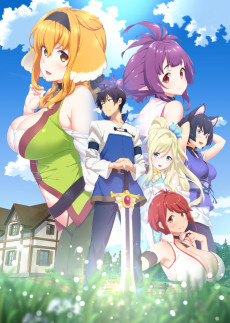
Harem in the Labyrinth of Another World
📺Anime Details
📝Editorial Analysis
The chill of damp stone against bare skin. The low, guttural hum of ancient wards vibrating up through the soles of worn boots. A flicker of torchlight catching the sheen on a monster girl’s furred ear as she glances sideways—not with suspicion, but quiet assessment—while the protagonist kneels, breath shallow, fingers brushing the cold iron collar still locked around his own throat. Not as punishment. As proof. Proof he walked into this labyrinth not as a conqueror, but as something fragile, claimed, and slowly, terrifyingly known.
That’s the atmosphere: not conquest, but unraveling. Not power fantasy, but presence. Harem in the Labyrinth of Another World doesn’t pulse with triumphant fanfare—it breathes in the low, humid air of consequence. Every glance lingers a half-second too long because trust isn’t given; it’s negotiated, inch by slow inch, across language barriers, species divides, and the raw, unvarnished weight of slavery as systemic reality—not backdrop, not trope, but texture. You feel the grit under fingernails, the ache of muscles strained from hauling ore, the quiet shame of needing help to unbuckle armor you can’t reach. It makes you think about intimacy as labor. About desire tangled with duty. About how warmth spreads—not from magic, but from shared silence while mending a torn tunic, or the way a kemonomimi’s tail curls, almost unconsciously, around your wrist when no one’s watching. It’s heavy, yet tender. Claustrophobic, yet strangely safe—because the walls aren’t just stone. They’re boundaries being redrawn, again and again.
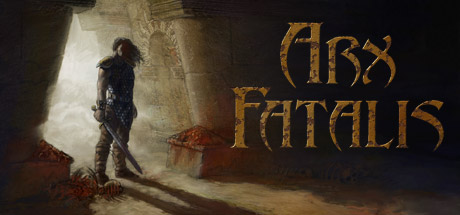
That same weight, that same intimacy forged in constrained space, echoes sharply in Arx Fatalis. Its description calls Arx “wrought with turmoil, brought to the brink of destruction”—a world where survival isn’t abstract, but tactile: cold stone, flickering torchlight, the scrape of claw on rock. The player review nails it: “Exploration is truly e…”—that trailing off feels intentional, like breath catching mid-thought. Just like the anime’s protagonist, you don’t own the dungeon—you inhabit its rhythms, learn its breath, earn trust not through speeches but through repeated, quiet acts: sharing rations, holding a light steady while another deciphers runes, surviving together. The darkness isn’t just visual—it’s psychological, thick with what’s unsaid, what’s withheld, what’s slowly, carefully offered.
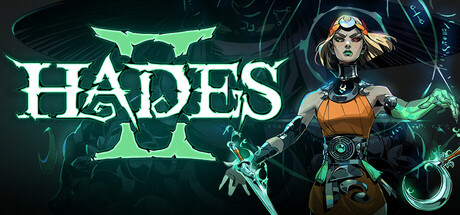
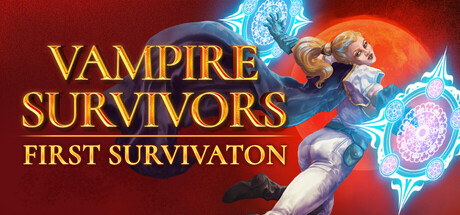
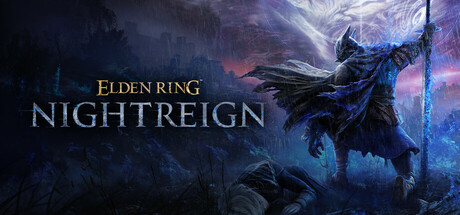
Then there’s Hades II, scoring 85 alongside Vampire Survivors and ELDEN RING NIGHTREIGN, all sharing Roguelike & Dungeon and Dark Fantasy dimensions. But Hades II’s resonance runs deeper than mechanics. Its dark fantasy isn’t just aesthetic—it’s emotional architecture. Like the anime’s labyrinth, the Underworld is a place of layered hierarchies, inherited burdens, and relationships defined by proximity, repetition, and reluctant care. You die. You return. You talk—again—to the same figure at the same crossroads, their words shifting just enough, their posture softening almost imperceptibly. That’s the anime’s heartbeat: the harem isn’t built in grand declarations, but in the accumulation of returned glances, shared meals after battle, the way a large-breasted slave owner might adjust her grip on a sword hilt not to intimidate, but to show she’s holding it for you, today. It’s the same quiet escalation—the same recognition—that makes Hades II’s dialogue feel earned, not scripted.
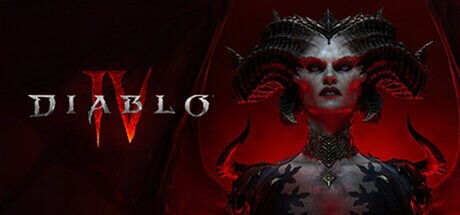
And Diablo® IV, also at 82, shares that suffocating, grounded dread. Its dark fantasy isn’t cosmic horror—it’s visceral, bodily, immediate: mud sucking at boots, blood drying on cracked lips, the exhaustion in a warrior’s stance after the tenth floor. The anime mirrors that physicality—the soreness in the protagonist’s shoulders after hauling ore, the sting of salt in a fresh wound, the way a monster girl’s breath hitches not from fear, but from exertion beside him. Both reject spectacle for substance: every fight leaves residue, every alliance carries the scent of sweat and old leather, every moment of tenderness arrives after the grime has settled.
This pairing sings for the viewer who watches anime not to escape, but to feel more. For the player who reloads a save not to win faster, but to hear that one extra line of dialogue—the one where the frost giantess pauses, then offers her cloak without looking at you. For those who crave stories where love isn’t declared, but demonstrated in the weight of a shared blanket, the rhythm of synchronized footsteps down a narrow corridor, the quiet certainty in a hand placed, unasked, over yours—not to claim, but to anchor. They don’t want heroes. They want people—flawed, tired, breathing, present—finding each other, not in open fields, but deep in the dark, where every flicker of light feels like a promise kept.
🎮5 Games That Match the Vibe
Match Dimensions Explained
❓Frequently Asked Questions
Why is Hades II listed as similar to Harem in the Labyrinth of Another World when it’s not a harem game?
Great question — it’s not about the harem trope, but the shared dark fantasy dungeon-crawling DNA: both feature oppressive, lore-dense underworlds (Hades II’s Underworld vs. the Labyrinth), permadeath-adjacent tension, and characters who evolve through repeated runs (like Melinoë’s relationships with Nyx or Chronos). The match hinges on mechanics — roguelike structure, atmospheric dread, and narrative interwoven with combat — not romance systems.
Is there an anime or visual novel adaptation of Harem in the Labyrinth of Another World?
No — unlike many light novels, *Harem in the Labyrinth* hasn’t gotten an anime, manga, or official visual novel adaptation. That’s why fans often pivot to games like *Arx Fatalis*, which delivers that same immersive, first-person descent into a crumbling, magic-scarred fantasy world — complete with spell-casting via real-time rune drawing (a mechanic reviewers called 'uniquely tactile' and 'deeply atmospheric').
How does Vampire Survivors compare to Diablo IV for someone who loves Harem’s chaotic boss fights and loot showers?
Vampire Survivors nails the overwhelming, screen-filling chaos of late-game Labyrinth boss encounters — think dodging dozens of homing projectiles while your auto-attacking familiars explode off-screen — but trades Diablo IV’s deep skill trees and gear rolls for pure, hypnotic escalation. Both reward repetition and mastery, but where Diablo IV gives you a legendary Helltide chest after defeating Andariel, Vampire Survivors drops absurdly satisfying 'power spike' moments every 90 seconds — like unlocking the Holy Water weapon mid-run and watching it chain-stun 50+ enemies at once.
What’s the best game like Harem in the Labyrinth if I want that oppressive, claustrophobic dungeon vibe with zero hand-holding?
Go straight to *Arx Fatalis*. It drops you alone in the collapsing, cult-ridden caverns of Arx with no quest markers, no map, and only cryptic NPC dialogue — just like navigating the Labyrinth’s shifting corridors blindfolded. You’ll cast spells by tracing runes in real time (reviewers praised its 'physical, almost ritualistic feel'), solve environmental puzzles using light and fire, and slowly piece together the world’s downfall — all without a single tutorial pop-up.