
Made in Abyss
The "Abyss" is the last unexplored place in the world. Strange and wonderful creatures roam within, and it is full of precious relics that present humans can't recreate. Those that dare to explore the depths are known as "Cave Raiders." An orphan girl named Riko lives on the rim. Her dream is to become a Cave Raider like her mother and solve the mysteries of the cave system. One day, Riko starts exploring the caves and discovers a robot who resembles a human boy.
(Source: Anime News Network, edited)
Note: The last episode aired with a runtime of ~48 minutes as opposed to the standard 24 minute long episode.
📺Anime Details
📝Editorial Analysis
The first time Riko lowers her lantern into the mist-choked chasm of the 2nd Layer, the light doesn’t reach—it drowns. Not in darkness, but in something thicker: suspended spores, drifting bioluminescent motes, the slow, wet sigh of unseen things breathing deeper down. Her small hand grips the rope, knuckles white—not from fear alone, but from the weight of vertical silence, the way the air itself tastes metallic and ancient, like licking a rusted gear inside a dead god’s skull.
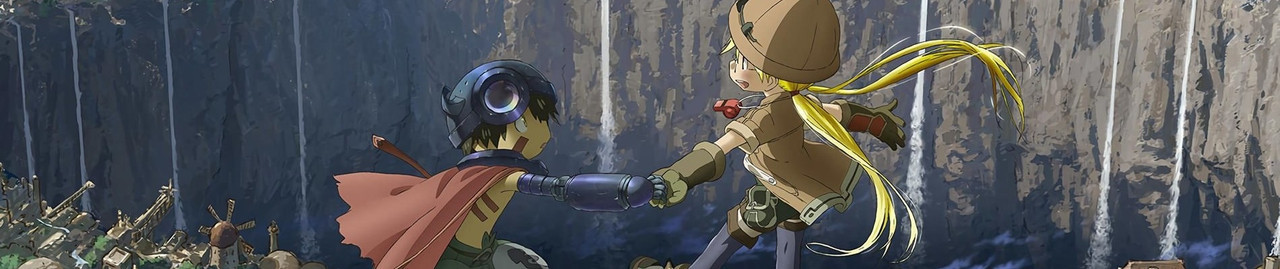
That’s the feeling Made in Abyss lives inside: not just danger, but irreversible descent. It’s the quiet horror of beauty that changes you, the ache of wonder so profound it borders on grief. This isn’t adventure as triumph—it’s exploration as sacrifice. Every meter down rewrites biology, memory, loyalty. The Abyss doesn’t judge; it transforms, with clinical, cosmic indifference. You don’t conquer it—you’re altered by its grammar. And the children at its center? They aren’t plucky heroes. They’re vessels—fragile, persistent, terrifyingly earnest—carrying hope into a system that metabolizes innocence like oxygen.
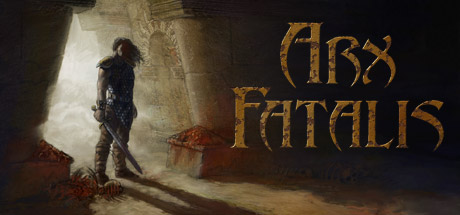
That emotional DNA—the melancholy of deep, unyielding space, the body horror of irreversible change, the quiet dread of systems older than language—echoes sharply in games built not for power fantasy, but for resonance. Take Arx Fatalis: its description calls it “a journey into the fantasy world of Arx… wrought with turmoil, brought to the brink of destruction.” Player reviews note its “genuinely fresh” post-apocalyptic fantasy premise and how “exploration is truly e…”—that trailing ellipsis feels right, like breath catching mid-descent. Like the Abyss, Arx isn’t a map to be mastered—it’s a collapsing ecosystem where magic is decay, architecture is bone, and every corridor hums with forgotten, hungry logic. You don’t solve its riddles—you survive their implications.
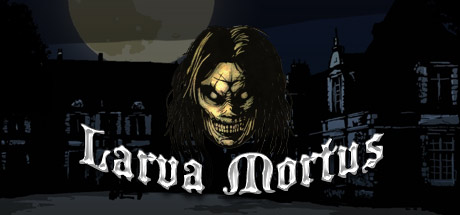
Then there’s Larva Mortus, described as a “fast-paced hack and slash top-down shooter” where you play an exorcist hunting “monsters of the supernatural in a dark, ominous, and randomly generated atmosphere.” Its player review praises “fun gameplay loop and nice weapons,” but the dim alignment—Roguelike & Dungeon, Body Horror & Occult—locks in. This isn’t about slaying evil; it’s about containing corruption, about seeing your own limbs twitch with borrowed flesh or your vision warp under parasitic sigils—just like the Abyss’s curses that twist perception, muscle, memory. The randomness isn’t chaos—it’s the Abyss’s indifference made procedural: no two descents are safe, no two mutations predictable.
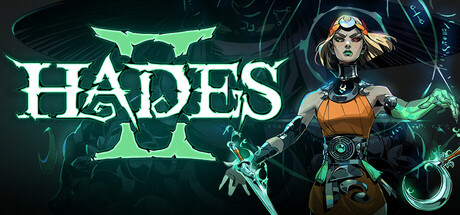
And Hades, though framed as a god-slaying action game, carries that same adult melancholy. Its description positions it as defying “the god of the dead,” but player reviews reveal its emotional core: “I was so close to giving it a negative review, but then I thought that would be unfair…” That hesitation? That weight before judgment? That’s the feeling of watching Riko choose—again and again—to descend, knowing what the layers do to bodies and bonds. Hades’ underworld isn’t cartoonish hellfire—it’s layered, ritualistic, inescapable, where every escape attempt reshapes relationships, erodes certainty, and forces confrontation with inherited trauma. Like the Abyss, it makes you love people who are designed to break you.
Who walks this path? Not the player craving clean victories or the viewer seeking comfort in moral clarity. It’s the one who lingers on environmental details—the way moss glows wrong in a cave wall, how a character’s shadow doesn’t quite match their movement, the hollow echo of footsteps in a cathedral-sized ruin. It’s the reader who underlines sentences about gravity gradients and neurological recalibration, not because they understand the science, but because the implication lands like stone in the gut. It’s the person who finds beauty in the fraying edge of sanity, who trusts a story that refuses to look away when flesh blooms into flower, when love becomes indistinguishable from compulsion, when the deepest truth isn’t found—it unfurls, slowly, painfully, irrevocably, in the dark.
🎮27 Games That Match the Vibe



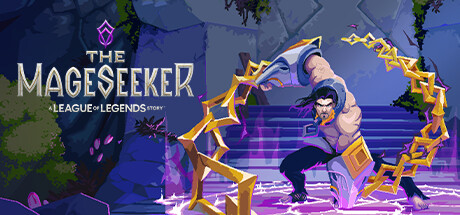
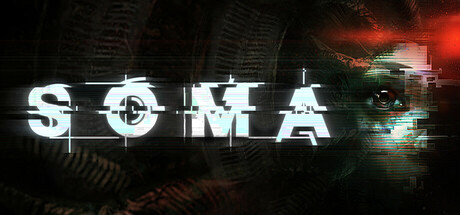
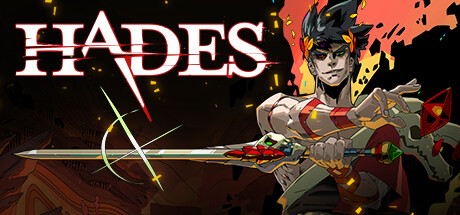
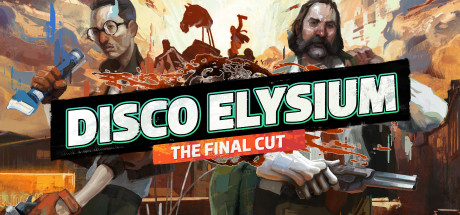

Match Dimensions Explained
❓Frequently Asked Questions
Why does Arx Fatalis keep coming up in Made in Abyss game recommendations?
Because both lean hard into melancholic exploration of vast, decaying underground worlds—Arx’s sunless caverns echo the Abyss’s layered descent, complete with eerie ambient sound design and body horror elements like mutated cultists and occult rituals. The game even has a scene where you’re forced to navigate pitch-black tunnels using only bioluminescent fungi, which fans say hits the same lonely, awe-struck dread as Riko and Reg’s first descent into Layer 2.
Is there a Made in Abyss anime or game adaptation?
No official Made in Abyss game adaptation exists—but games like Larva Mortus capture its vibe *without* being an adaptation: you play as a lone exorcist hunting grotesque, biomechanical horrors in procedurally generated crypts, much like how Nanachi hunts Abyssal creatures while wrestling with body horror and moral ambiguity. Its fast-paced top-down combat and oppressive atmosphere (think the Curse of the Abyss visuals meets the tension of the Village of the Mole People) make it feel like a spiritual cousin.
How does Sacred Gold compare to Assassin's Creed Director's Cut for that Made in Abyss mood?
Both nail the 'melancholic exploration + dark fantasy' combo, but Sacred Gold leans heavier into grim worldbuilding—like wandering the blighted lands of Ancaria past crumbling shrines and cursed forests—while AC:DC gives you that haunting, vertical sense of scale (e.g., climbing Acre’s minarets at dusk) that mirrors the Abyss’s oppressive depth. Fans note Sacred Gold’s janky UI and bugs actually enhance its desolate, forgotten-feeling world—similar to how the Abyss’s beauty feels unsettlingly fragile.
What’s the best game like Made in Abyss if I want that bittersweet, emotionally heavy descent vibe?
Arx Fatalis is your strongest match—it’s got that slow-burn, weighty descent into unknown depths, with mechanics like real-time spellcasting via mouse-drawn runes (feeling as deliberate and ritualistic as Nanachi’s alchemy) and moments like uncovering ancient, half-buried temples where light barely reaches. Critics called its world ‘wrought with turmoil’ and ‘genuinely fresh’—exactly the tone fans love in the Abyss’s layered tragedy.