
How Heavy Are the Dumbbells You Lift?
Hibiki enjoys the finer things in life, and when it comes to food, she's downright indulgent. When it becomes clear she's getting chubby, she decides to better herself by joining a gym.
In her attempt to find a casual gym, she meets Akemi - a comrade-in-arms. Little does Hibiki know, Akemi has an ulterior motive.
What will this wonderful world of fitness have in store for Hibiki?
📺Anime Details
📝Editorial Analysis
The first time Hibiki lifts a dumbbell, her arms shake—not from strain, but from surprise. Not at the weight, but at the quiet rightness of it: the rubber grip warming under her palms, the slight give in her biceps, the way her breath syncs to the lift like a metronome clicking into place. She’s not conquering a demon or saving a kingdom. She’s just here, in a fluorescent-lit gym with Akemi watching, sweat beading on her tanned forehead, and for a second, nothing else exists—not her indulgence, not her self-consciousness, not even the ecchi glances that flicker past like background static. Just muscle, rhythm, and the soft, stubborn hum of showing up.
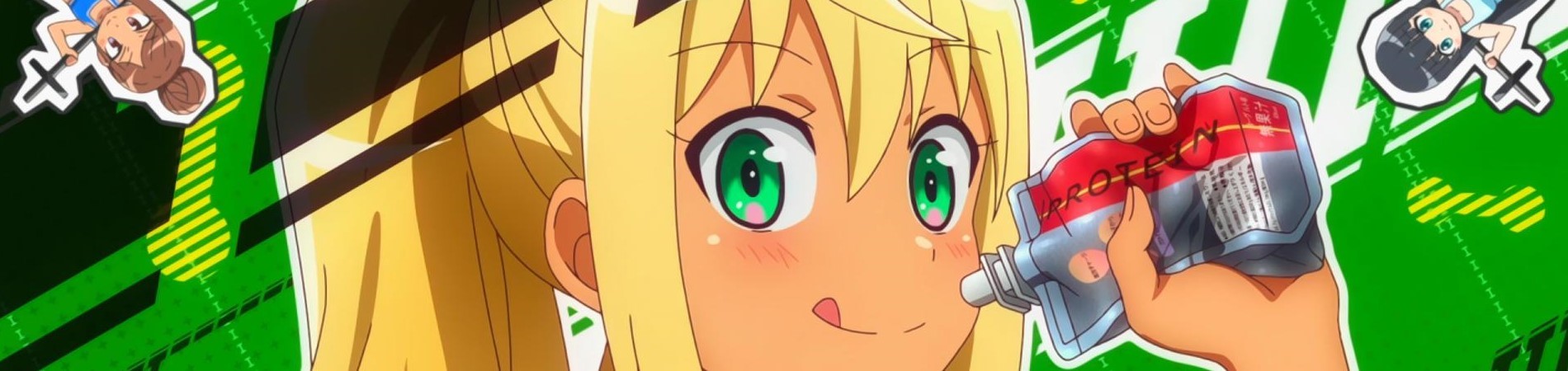
That’s the atmosphere: grounded warmth. Not triumph, not trauma, not even transformation as spectacle—but the slow, unglamorous accrual of self-trust. It’s in the episodic structure, where progress isn’t measured in boss fights but in how long Hibiki can hold a plank before her form wobbles; in the urban slice-of-life pacing, where a grocery store trip becomes a tactical calorie audit; in the primarily female cast moving through space without narrative justification—just existing, lifting, laughing, adjusting straps, comparing protein shakes. This isn’t about becoming someone else. It’s about learning your own body’s language—its limits, its surprises, its quiet, persistent yes.
Which is why Prince of Persia lands with such startling resonance. Its description calls it “an all-new epic journey” built on “Healing & Slow Life, Melancholic Exploration”—and that melancholy isn’t despair, but the hush before dawn, the weight of sand slipping through fingers as you learn to flow instead of fight. A player writes: “I did not truly understand Dark Souls when I defeated a difficult boss.” But swap “Dark Souls” for Prince of Persia, and the feeling holds: understanding arrives not in victory, but in the repetition—the third jump across crumbling tiles, the fifth time you rewind not to avoid failure, but to feel the arc of your own motion more precisely. Like Hibiki relearning how to squat, the prince heals by moving with time, not against it.
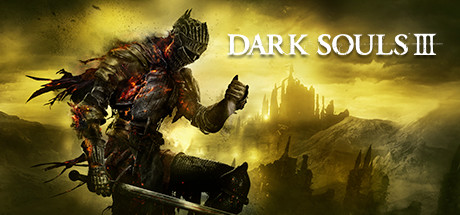
Then there’s DARK SOULS™ III, tagged with “Melancholic Exploration, Competitive Spirit”—a pairing that seems absurd until you remember Hibiki’s first real challenge: the 10kg dumbbell. Not because it’s heavy, but because it’s honest. No cutscenes, no tutorials—just her, the weight, and the choice to try again. The game’s description says “Embrace The Darkness!”—but players don’t chant that after killing a boss. They whisper it after the tenth attempt, knuckles white on the controller, because the darkness isn’t evil—it’s the fog of doubt, the exhaustion before breakthrough. One review asks: “Why Do We Still Reach for the Fire When It Is Dying?” Hibiki reaches for the barbell when her legs burn and her ego whispers she’s “not built for this.” That reach—tired, tender, unglamorous—is the same fire.
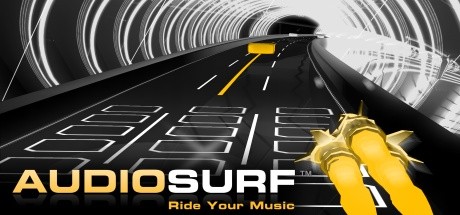
And AudioSurf, with its “Healing & Slow Life, Competitive Spirit” dimensions, mirrors the anime’s rhythmic pulse. Its description says: “Ride your music. Audiosurf is a music-adapting puzzle racer where you use your own music to create your own experience.” That’s Hibiki syncing her reps to a playlist, turning squats into choreography, making the mundane resonant. A player notes the game’s flaws—“godawful UI, unskippable menu animations, crashing”—yet still returns. Why? Because the core loop—matching movement to sound, finding flow in repetition—is healing in its simplicity. Like Hibiki doing bicep curls while humming off-key, not for perfection, but because the motion fits.
This isn’t for people who want catharsis in explosions or epiphanies in monologues. It’s for the ones who’ve ever stared at their reflection not to judge, but to study—to notice how light catches a shoulder blade mid-push-up, or how breath deepens when you finally stop holding it. It’s for players who keep returning to Garry's Mod not for goals, but for the physics of stacking crates just to see them tumble in slow, satisfying chaos. For viewers who love Hibiki not because she “wins,” but because she shows up, tan skin glistening, hair escaping her ponytail, dumbbell trembling—not with weakness, but with the quiet, radiant weight of trying.
🎮14 Games That Match the Vibe
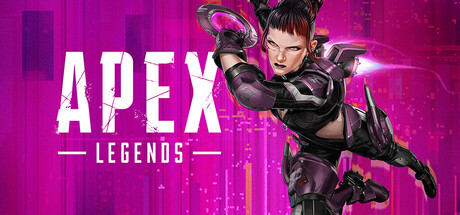

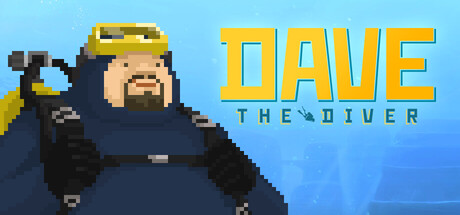
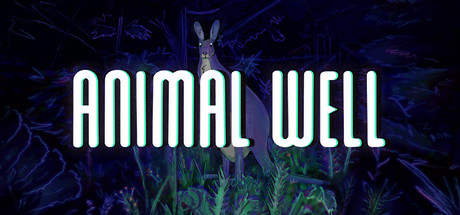





Match Dimensions Explained
❓Frequently Asked Questions
Why does How Heavy Are the Dumbbells You Lift? match with DARK SOULS™ III despite being a lighthearted anime about fitness?
It’s all about that shared 'Melancholic Exploration' dimension — both use quiet, reflective pacing amid physical struggle: think Mafuyu’s solitary early-morning weight room sessions mirroring the hollows trudging through Lothric’s ash-covered ruins. And the 'Competitive Spirit' overlap? Just like Dark Souls players obsess over frame-perfect parries and boss patterns, dumbbell fans geek out over rep counts, form tweaks, and beating personal bests — it’s the same gritty, self-driven intensity.
Is there an anime adaptation of Prince of Persia that explains the match with How Heavy Are the Dumbbells You Lift?
No — Prince of Persia hasn’t been adapted into an anime (yet!), but the match makes sense through mood and theme: both center on disciplined, almost ritualistic physical transformation. The new Prince’s slow, deliberate acrobatics across crumbling ziggurats echo Mafuyu’s methodical progression from struggling with 2kg dumbbells to mastering clean lifts — it’s 'Healing & Slow Life' meets 'Melancholic Exploration', not shared lore.
How is AudioSurf similar to How Heavy Are the Dumbbells You Lift? when one’s a rhythm game and the other’s a gym anime?
They’re both deeply personal, music-adjacent journeys rooted in 'Healing & Slow Life' — AudioSurf lets you ride your own playlist, syncing movement to emotional cadence just like Mafuyu syncs her breathing and reps to workout playlists and ambient gym sounds. And that 'Competitive Spirit'? It’s not about head-to-head matches, but the internal drive: chasing higher scores in AudioSurf mirrors Mafuyu’s quiet pride in hitting 10 clean reps with 8kg — same dopamine loop, different interface.
What’s the best game like How Heavy Are the Dumbbells You Lift? if I want something calming but still physically immersive?
Go straight to Prince of Persia — its 84-scored blend of 'Healing & Slow Life' and 'Melancholic Exploration' delivers exactly that: fluid, meditative parkour across sun-drenched ruins, where timing and breath matter more than speed or combat. It’s got the same soothing rhythm as Mafuyu’s stretching sequences or the soft clink of dumbbells — no pressure, just presence, momentum, and gentle mastery.