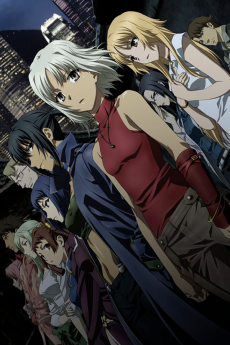
Canaan
Oosawa Maria is a Japanese photographer currently working in Shanghai, China. Along with her partner Mino, she searches for potential newsworthy stories throughout the city. When strange events occur at a local festival, Maria and Mino immediately investigate. Quickly, the two are immersed in a battle between unknown masked men and a strange, white-haired woman. Just when Maria is about to be caught in the crossfire, an old friend by the name of Canaan appears and helps Maria escape. But a sinister plot over a deadly virus soon develops, and Canaan learns she must confront her past if she wants any chance at stopping the perpetrator and saving her friends.
📺Anime Details
📝Editorial Analysis
The scent of wet pavement and burnt incense hangs thick in the Shanghai night air—Maria’s camera shutter clicks just once before a masked figure lunges, steel flashing under festival lanterns. She stumbles back, lens cracked, breath ragged—not from exertion, but from the recognition: that white-haired woman moving like liquid shadow, disarming two men in silence, her eyes holding something older than vengeance. Not rage. Not fear. Weight. That moment isn’t about survival—it’s about memory folding into the present like origami paper dipped in blood.
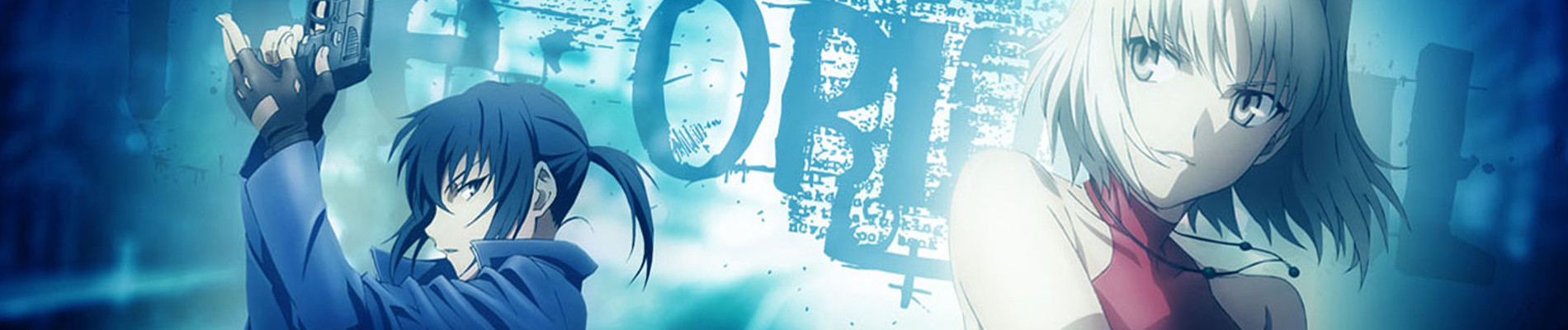
Canaan doesn’t pulse with adrenaline; it settles, heavy and humid, like Shanghai’s monsoon air pressing against glass. It’s not the guns or the superpower—the “Sense”—that define its atmosphere, but how those tools are wielded by people who’ve long stopped believing in clean lines between justice and erasure. This is urban tension without catharsis: surveillance feeds flicker across monitors in cramped news offices, political speeches bleed from street speakers into alleyways where assassins reload, and every conversation hums with subtext—what’s said, what’s withheld, what’s already been buried. You don’t feel heroic watching it. You feel watched, implicated, quietly unmoored—like standing on a rooftop at dawn, watching smoke rise from three different districts, none of them yours.
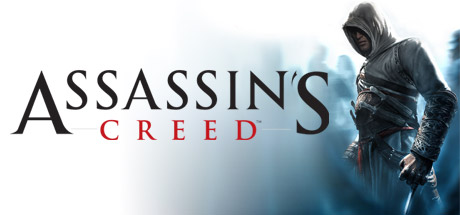
That same resonance lives in Assassin's Creed™: Director's Cut Edition, not as spectacle, but as texture. Its description calls it a “Political Thriller, Tactical Warfare”—and yes, the models are dated, as one player notes: “some of the models and textures are quite dated but no issues with me”. But that slight roughness—the way Altair moves with deliberate, almost weary precision across Jerusalem’s sun-baked stones, the way missions unfold in layers of betrayal disguised as diplomacy—that’s the same emotional architecture as Canaan’s Shanghai. Both refuse to let action exist in a vacuum. Every blade drawn, every shot fired, lands inside a web of colonial residue, fractured sovereignty, and moral debt passed down like heirlooms. The player doesn’t just climb towers—they absorb the weight of centuries in the mortar between bricks. Just like Maria absorbing the silence after Canaan vanishes into a rain-slicked side street, leaving only the echo of a name she thought was gone.
There’s also an unspoken kinship in how both treat revenge not as fuel, but as sediment—something that settles, changes the water’s clarity, makes every choice slightly more opaque. Canaan doesn’t shout her pain; she folds it into posture, into the half-second hesitation before pulling the trigger. Altair doesn’t rage—he recalibrates, again and again, his creed bending under pressure until it becomes less doctrine and more quiet, stubborn insistence on meaning. Neither story offers redemption arcs. They offer continuance: the next mission, the next photograph, the next city square where history hasn’t finished speaking.
This pairing won’t thrill someone chasing power fantasies or narrative closure. It’s for the person who watches Maria adjust her camera strap after escaping gunfire—not to document, but to steady her hands—and feels their own throat tighten. For the player who lingers on Assassin’s Creed’s crowd animations—the way civilians flinch just so, or glance up at you not with awe, but suspicion—and understands that’s where the real world lives: in the micro-tremor of human response. It’s for those who recognize that “foreign” isn’t just setting—it’s a condition of perception, of being perpetually translated, never fully native to the ground you stand on. They’re the ones who’ll pause mid-clip in Canaan, replaying the way Mino’s voice cracks when he says “We’re journalists, not soldiers,” and then boot up Assassin's Creed™: Director's Cut Edition, not for the parkour, but for the hush before the leap—when Altair stands at the edge, wind tugging his hood, and chooses down, not because it’s safe, but because it’s the only direction left that still feels like motion.
🎮2 Games That Match the Vibe
Match Dimensions Explained
❓Frequently Asked Questions
Why does Canaan feel so much like Assassin's Creed: Director's Cut Edition?
Because both lean hard into political thriller tension and tactical urban warfare—think Altaïr navigating Jerusalem’s layered districts while uncovering Templar conspiracies, just like Canaan’s shadowy intel ops in Beirut. The parkour-driven stealth, mission-based structure around high-stakes assassinations, and morally grey faction conflicts (Hashashin vs. Templars / Canaan’s mercenary cells vs. intelligence agencies) create that same urgent, grounded espionage vibe.
Is there an anime or live-action adaptation of Canaan?
No—unlike Assassin’s Creed, which spun off movies, comics, and animated shorts, Canaan remains exclusively an anime series with no official game adaptation or licensed tie-in game. The only interactive version is the 2009 PSP title, which mirrors the show’s Beirut-set sniper duels and double-agent pacing but isn’t part of a larger multimedia franchise.
How does Canaan compare to Assassin’s Creed: Director’s Cut Edition in terms of stealth gameplay?
Canaan leans into precision long-range takedowns and real-time evasion—like sniping from rooftops in the Souk al-Tawileh while dodging patrols—whereas Assassin’s Creed: Director’s Cut Edition emphasizes close-quarters blending, guard interrogation, and crowd-surfing through Acre’s alleys. Both reward patience and environmental awareness, but Canaan’s tense, silent headshots contrast with Altaïr’s fluid, blade-first counter-combat.
What’s the best game like Canaan if I want that gritty, rain-soaked Beirut spy thriller mood?
Assassin’s Creed: Director’s Cut Edition nails it—especially the Jerusalem and Damascus sequences with their narrow, lantern-lit streets, whispered informant exchanges, and constant sense of being watched. The political thriller tone, grounded weaponry, and focus on intel over spectacle (like Altaïr decoding messages in the Bureau or Canaan decrypting encrypted files in her safehouse) make it the closest match for that atmospheric, morally heavy vibe.