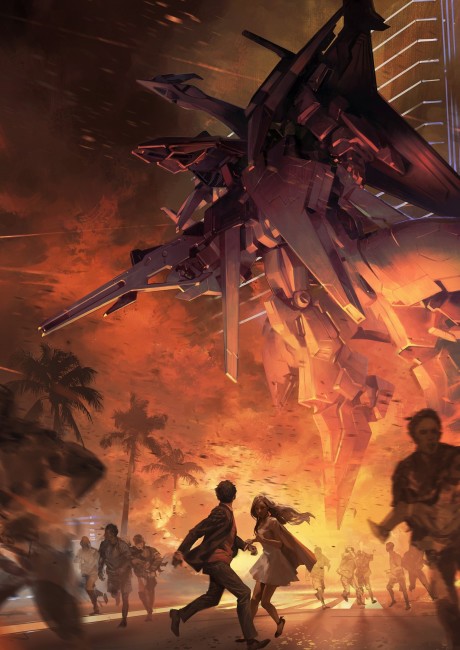
Mobile Suit Gundam Hathaway
The year is U.C. 0105. Twelve years have passed since the end of the second Neo Zeon War (Char’s Rebellion). Even after “the Axis Shock,” which seemed to indicate the future of humanity and the Universal Century, the world is still in a chaotic situation where intermittent military conflicts continue to break out. The Earth Federation government is more corrupt than ever, and its leadership has not only accelerated Earth's pollution, but also implemented an inhuman "Man Hunting" policy in which civilians are forcibly exiled to outer space.
The anti-Federation government organization “Mafty,” led by someone called “Mafty Navue Erin," has taken a stand against the corruption of the Earth Sphere. Mafty carries out fierce acts of terrorism, assassinating high officials of the Federation government one after another, but it gains a certain level of support from the populace who are growing more opposed to the Federation government.
The person who calls himself “Mafty” and leads this organization is Hathaway Noa, the son of Bright Noa, an officer of the Earth Federation Forces who once participated in the One Year War. Hathaway himself joined the forces trying to stop Char’s Rebellion. With firsthand knowledge of the ideals and ideologies of Amuro Ray and Char Aznable, he has become a warrior following in their footsteps, and plans to clear a path forward through armed resistance. His destiny, however, is drastically altered as he encounters the Federation Forces officer Kenneth Sleg and a mysterious young beauty named Gigi Andalucia.
(Source: Gundam.info)
📺Anime Details
📝Editorial Analysis
Rain lashes the viewport of a decommissioned freighter docked in Earth’s decaying orbital ring—Hathaway Noa stares out, not at the stars, but at the bruised, smog-choked curve of the planet below. His breath fogs the cold transparisteel. A single notification blinks on his wrist terminal: “Man Hunting Unit Delta-9 en route to Sector Theta-7.” He doesn’t flinch. He exhales—and the silence after that breath is heavier than gravity.
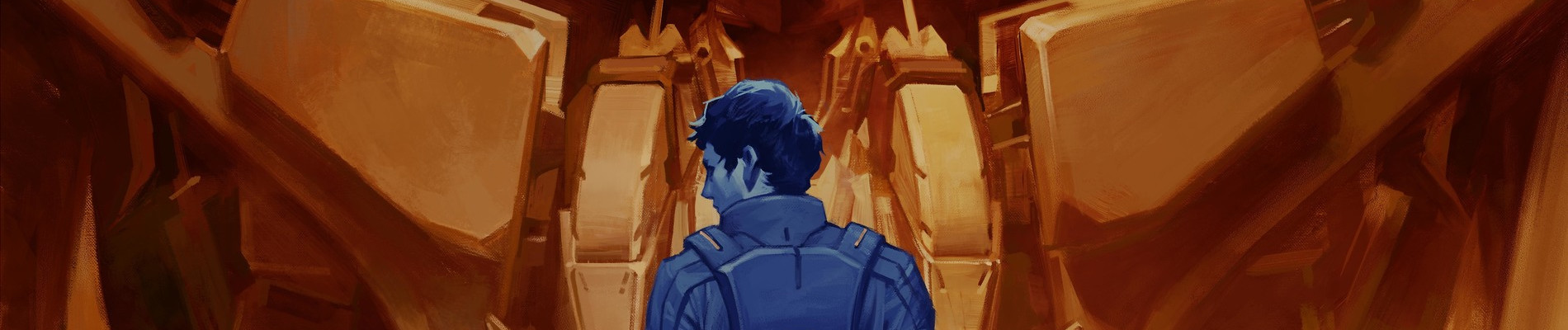
That silence isn’t emptiness. It’s exhaustion. Not fatigue, not boredom—but the deep, marrow-level weariness of watching ideals calcify into dogma, of seeing justice become indistinguishable from procedure, of knowing every act of resistance will be archived as “terrorism” before it’s even logged. Mobile Suit Gundam Hathaway doesn’t trade in catharsis or triumph. It trades in consequence: the slow erosion of conviction, the moral weight of choosing violence when no other language remains legible to power. Its atmosphere isn’t dystopian spectacle—it’s bureaucratic dread wrapped in rain-slicked CGI, where mecha don’t roar—they groan, hydraulics straining under the weight of political gravity. You don’t feel heroic here. You feel accountable.
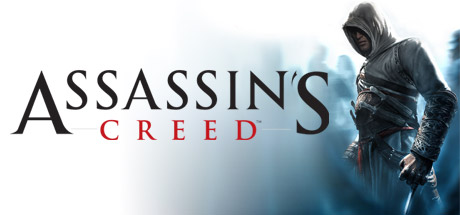
That’s why Assassin's Creed™: Director's Cut Edition lands with such eerie resonance. Its description calls it a “Political Thriller, Tactical Warfare”—and yes, the models are dated, as one player notes, but what lingers isn’t the texture work—it’s the weight of the mission log. Altaïr doesn’t fight for glory; he navigates layered hierarchies, kills men who quote scripture while enforcing oppression, and watches ideology curdle into self-serving ritual. Like Hathaway, he operates inside a system so rotten its own architecture becomes the antagonist. The player review admits flaws—but also implies something deeper: “no issues with me” suggests tolerance born of immersion, not nostalgia. That’s the shared DNA—not stealth mechanics, but the quiet horror of recognizing your own complicity.
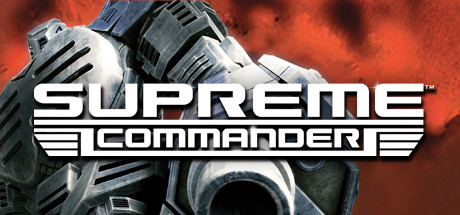
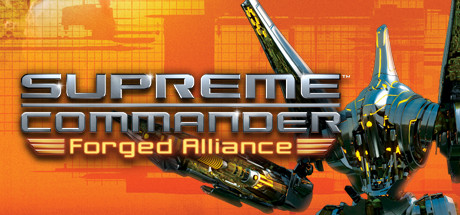
Then there’s Supreme Commander, described as depicting “The Infinite War” where “there can be no room for compromise: their way is the only way.” That phrase—their way is the only way—is Hathaway’s tragedy in microcosm. The Earth Federation believes its “Man Hunting” policy is necessary order. Mafty believes annihilation is the only language left. Neither side negotiates; both escalate with chilling procedural logic. A player review nails it: “The scale of the battles is different even today.” Not bigger—different. Because scale here isn’t about spectacle. It’s about how many lives vanish in the margins of a strategic overlay, how many civilian colonies blink off a tactical map labeled “low priority.” That’s the same numb arithmetic Hathaway performs when he calculates collateral damage mid-mission—not coldly, but wearily, like checking the weather before stepping into a storm.
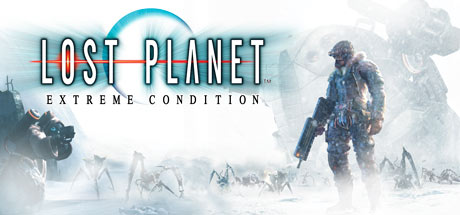
And Lost Planet™: Extreme Condition, with its “ice-covered wastelands” and struggle “to survive against gargantuan alien Akrid and treacherous Snow Pirates,” shares something quieter but just as vital: environmental despair as character. The anime’s Earth isn’t just polluted—it’s abandoned by design, its ecology sacrificed for orbital convenience. Lost Planet’s frozen hellscape isn’t metaphorical; it’s geological consequence made visceral. A player complains Capcom hasn’t fixed “Colonies Edition”—but that word colonies echoes: fragile human outposts clinging to hostile terrain, governed by distant powers that treat them as expendable assets. Both works make you feel the cold—not of weather, but of institutional indifference.
This pairing isn’t for fans of clean heroics or triumphant mecha duels. It’s for the viewer who rewinds Hathaway’s final transmission—not for the plot twist, but for the tremor in his voice when he says “I am not a savior.” It’s for the player who pauses Supreme Commander mid-battle to watch a damaged AC trudge across a glacier, smoke rising from its shoulder joint, its pilot long since dead, its orders still active. It’s for anyone who’s ever stared at a real-world headline—corruption, displacement, ecological collapse—and felt not rage, but that slow, sinking recognition. They’re the ones who don’t want escape. They want witnessing. And they’ll find it—not in victory, but in the rain, the static, the silence between shots.
🎮11 Games That Match the Vibe


Match Dimensions Explained
❓Frequently Asked Questions
Why does Assassin's Creed feel like a political thriller match for Gundam Hathaway?
Because both lean hard into morally gray espionage, elite operatives navigating corrupt systems, and high-stakes ideological clashes—like Hathaway’s anti-Federation terrorism mirroring Altaïr’s assassinations of Templar puppeteers in Jerusalem. The Director’s Cut Edition’s focus on conspiracy, surveillance, and tense rooftop chases (not just combat) echoes Hathaway’s covert ops aboard the Mafty ship and his quiet, calculating presence.
Is there a Gundam Hathaway video game adaptation?
No—there’s no official *Mobile Suit Gundam Hathaway* game yet. The closest matches are tactical sci-fi titles that share its tone and themes: *Supreme Commander* nails the massive-scale mecha warfare and factional ideological war (like the Earth Federation vs. Mafty), while *Lost Planet: Extreme Condition* captures its desperate, frozen-planet survival vibe during Hathaway’s exile sequences—but neither adapts the film directly.
How is Team Fortress 2 different from Supreme Commander if both are mecha/military sci-fi?
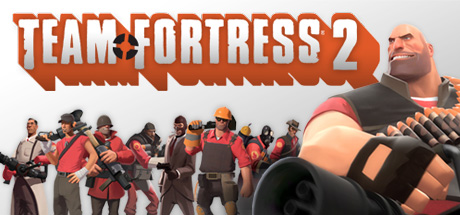
TF2 is pure chaotic, class-based team brawling with cartoonish hats and over-the-top personalities—think Heavy’s minigun spam vs. Spy’s backstabs—whereas *Supreme Commander* is slow-burn, strategic, and colossal: you’re commanding legions of experimental mechs like the Cybran Seraphim across continents, with battles that mirror Hathaway’s large-scale fleet engagements (e.g., the Pezun assault) down to the sound of artillery rolling across tundra.
What’s the best game like Gundam Hathaway if I want that brooding, atmospheric, ‘quiet before the storm’ vibe?
Go with *Assassin’s Creed™: Director’s Cut Edition*—its hushed, rain-slicked streets of Damascus, slow-motion parkour silhouetted against minarets, and tense stealth sections (like tailing a Templar informant through crowded souks) nail Hathaway’s melancholic isolation and simmering tension. It’s not about giant robots—it’s about the weight of ideology, silence between words, and the dread of inevitable violence, just like Hathaway staring out the cockpit at Earth from orbit.