
Fate/Zero
With the promise of granting any wish, the omnipotent Holy Grail triggered three wars in the past, each too cruel and fierce to leave a victor. In spite of that, the wealthy Einzbern family is confident that the Fourth Holy Grail War will be different; namely, with a vessel of the Holy Grail now in their grasp. Solely for this reason, the much hated "Magus Killer" Kiritsugu Emiya is hired by the Einzberns, with marriage to their only daughter Irisviel as binding contract.
Kiritsugu now stands at the center of a cutthroat game of survival, facing off against six other participants, each armed with an ancient familiar, and fueled by unique desires and ideals. Accompanied by his own familiar, Saber, the notorious mercenary soon finds his greatest opponent in Kirei Kotomine, a priest who seeks salvation from the emptiness within himself in pursuit of Kiritsugu.
Based on the light novel written by Gen Urobuchi, Fate/Zero depicts the events of the Fourth Holy Grail War—10 years prior to Fate/stay night. Witness a battle royale in which no one is guaranteed to survive.
(Source: MAL Rewrite)
Note: The first episode aired with a runtime of ~48 minutes as opposed to the standard 24 minute long episode.
📺Anime Details
📝Editorial Analysis
Rain lashes the cobblestones of Fuyuki City like shattered glass. Kiritsugu Emiya stands motionless in the downpour, blood soaking through his coat—not his own—and the hollow echo of a child’s scream still vibrating in his ears, though the sound has long since stopped. His hand doesn’t tremble. His breath doesn’t catch. He simply watches the smoke rise from the ruins of the Einzbern castle, where he just burned everything—including the last fragile illusion that “the right choice” could ever be clean.
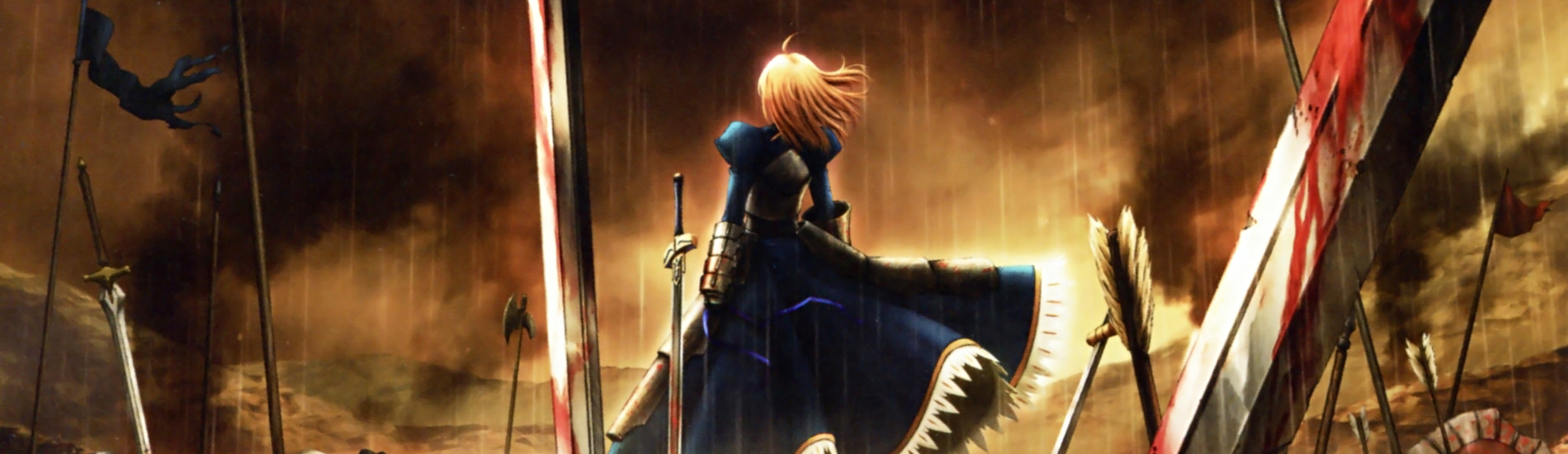
That silence after violence—that suspended, suffocating stillness—is Fate/Zero’s true atmosphere. Not spectacle, not magic, not even tragedy as catharsis—but the weight of consequence settling like wet ash on the tongue. It makes you feel exhausted, not exhilarated; doubtful, not inspired. You don’t root for victory—you track the slow, inevitable erosion of conviction, watching ideals curdle into dogma, love harden into leverage, and sacrifice calcify into routine. This isn’t urban fantasy dressed up with spells—it’s philosophy wearing a trench coat, soaked through, asking you to hold its gaze while it tells you the world doesn’t reward purity. It makes you think about complicity: how every compromise, however small, becomes the foundation for the next atrocity—and how easily “for the greater good” becomes a tombstone inscription.
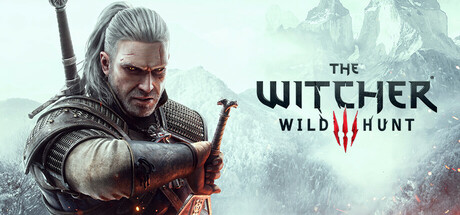
The emotional DNA pulses strongest in The Witcher 3: Wild Hunt, where Geralt walks across a continent scarred by war and superstition, tracking Ciri not as a quest marker but as a lifeline to meaning in a world that refuses moral shortcuts. The description says it’s “war-torn, monster-infested”—but what lingers is the emotional narrative, the same kind that haunts Kiritsugu’s flashbacks: choices that don’t resolve, only rearrange suffering. A player writes, “DLC announced 11 years after release, my favourite game keeps getting better…”—that devotion isn’t about mechanics or lore expansion. It’s about how deeply the game lets you sit with unresolved grief, how it refuses to let Geralt’s love for Ciri feel safe or simple. Like Kiritsugu holding Irisviel’s hand while planning her obsolescence, Geralt’s care is always edged with dread. Both ache with the same unrelenting gravity.
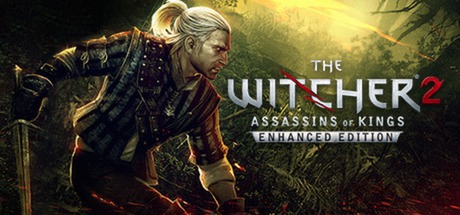
Then there’s The Witcher 2: Assassins of Kings Enhanced Edition, where “mighty forces clash behind the scenes in a struggle for power and influence,” and armies “are not enough to stop a b…”—the sentence cuts off, just like so many promises in Fate/Zero. The player review calls it “more thoughtfully designed than the next entry,” praising its tight, consequential architecture: no filler, no reprieve, no moral reset button. That’s the rhythm of the Fourth Holy Grail War—every negotiation, every betrayal, every summoned Heroic Spirit lands with structural inevitability. You don’t choose chaos; you navigate its fault lines, knowing each step reshapes the ground beneath you. The exhaustion isn’t simulated—it’s earned, moment by moment.
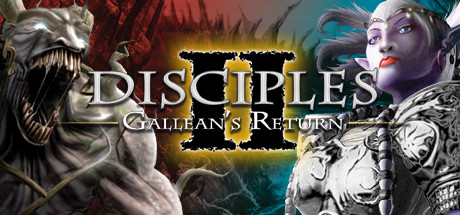
Even Disciples II: Gallean's Return, buried under tactical grids and turn-based combat, shares this DNA—not in tone, but in texture. Its description highlights “Tactical Warfare” and “JRPG Narrative” within a “Dark Fantasy” frame, and the player review glows over its “awesome atmosphere.” That atmosphere isn’t whimsy or wonder—it’s grim grandeur, where light doesn’t banish darkness but merely defines its edges. Like the Einzbern snowfields or the desolate church where Kiritsugu and Kirei first speak truths neither can live with, Disciples II builds worlds where hope is logistical, not spiritual—and survival demands cold arithmetic, not courage.
This pairing isn’t for fans of heroic ascension or triumphant crescendos. It’s for the person who rewatches Kiritsugu’s final conversation with Irisviel not to cry, but to check their own pulse—to see if theirs still beats with the same quiet, stubborn refusal to look away. It’s for the player who saves before every dialogue in The Witcher 2, not to avoid failure, but because they know no outcome will feel like absolution. They’re the ones who linger in rain-slicked alleys and war councils alike—not waiting for answers, but learning how to carry the questions. Heavy. Honest. Unforgiving. And utterly, devastatingly necessary.
🎮9 Games That Match the Vibe

Match Dimensions Explained
❓Frequently Asked Questions
Why is The Witcher 3 always recommended for Fate/Zero fans?
Because both dive deep into morally grey political intrigue, tragic heroism, and emotionally devastating choices—like Geralt’s agonizing decision to sacrifice Iorveth’s faction in Chapter II, or the gut-punch ending of the 'Blood and Wine' expansion where he chooses solitude over love. The score (65) and shared 'Dark Fantasy, Emotional Narrative' dimensions line up perfectly with Fate/Zero’s tone of doomed idealism and layered betrayals.
Is there a Fate/Zero video game adaptation?
No—there’s never been an official Fate/Zero game. The closest you’ll get are narrative-driven dark fantasy RPGs like The Witcher series (all three entries score 65 and emphasize emotional weight, consequence-heavy choices, and war-torn worldbuilding), or Disciples II: Gallean's Return (62), which nails the grim atmosphere and tactical gravity of Holy Grail-style conflicts—but none adapt the anime or light novel directly.
The Witcher 2 vs. The Witcher 3: which feels more like Fate/Zero’s tense, politically charged duels?
The Witcher 2: Assassins of Kings—hands down. Its tightly wound, chapter-based structure mirrors Fate/Zero’s duel-centric pacing (think Kiritsugu vs. Kirei in the cathedral), and its branching political consequences—like choosing between Roche and Iorveth *before* the siege of Loc Muinne—echo the show’s high-stakes ideological clashes. Players even call it 'more thoughtfully designed than the next entry' for that very reason.
What’s the best game like Fate/Zero if I want that brooding, rain-soaked, 'last stand' vibe?
Disciples II: Gallean's Return—it’s dripping with that oppressive, gothic-warfare mood: crumbling cathedrals, undead legions marching under storm clouds, and desperate last stands like the Siege of Valesh. Its 'Dark Fantasy, JRPG Narrative, Tactical Warfare' dimensions match Fate/Zero’s blend of operatic tragedy and battlefield tension, and fans call it 'the best Disciples ever' for its unmatched atmosphere and weighty, turn-based stakes.