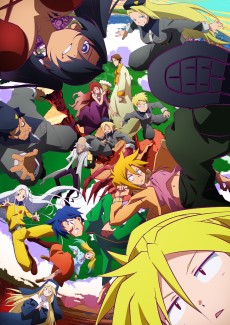
The Idaten Deities Know Only Peace
It has been 800 years since the incredibly fast and powerful gods of battle known as the Idaten had sealed away the demons after an intense battle. Now, that battle is just considered a myth or a fairytale. While the current generation of Idaten who have never even had to fight are enjoying their peaceful lives, someone awakened the demons once again! Armed forces, ingenuity. politics, and intrigue. If you've got it, use everything you can! This three-way battle royale with no rules and no limits is about to begin!!
(Source: Crunchyroll)
📺Anime Details
📝Editorial Analysis
The air in the training grounds is thick—not with sweat or exertion, but with stillness. A young Idaten deity floats mid-air, eyes closed, humming a lullaby while polishing his spear with a silk handkerchief. Below him, a drone buzzes lazily past a monument engraved with the words “The Great Seal: 800 Years Unbroken.” No alarm sounds. No tremor shakes the earth. Just that hum—and the quiet, suffocating weight of inherited peace so absolute it’s begun to curdle into something like dread.

That’s the ache at the heart of The Idaten Deities Know Only Peace: not the absence of war, but the atrophy of meaning when myth hardens into bureaucracy, when divine power becomes interior decoration, and when “peace” is less a condition than a collective act of forgetting. It doesn’t thrill you with spectacle—it unsettles you with dissonance. The gore isn’t cathartic; it’s jarring, almost absurd against pastel skies and bureaucratic meeting rooms. The philosophy isn’t delivered in monologues—it leaks from the way a general sighs over supply-chain logistics before ordering a tactical nuke. You don’t feel heroic. You feel unmoored—like you’ve woken up inside a legend that forgot it was supposed to be about stakes.
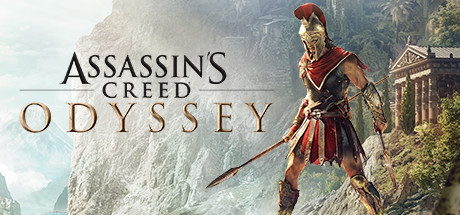
Which is why Assassin's Creed™: Director's Cut Edition lands with such eerie resonance. Its description calls it a “Political Thriller, Dark Fantasy, Tactical Warfare”—and yes, the textures are dated, as one player notes—but what lingers isn’t the parkour or the blades. It’s the way Altaïr moves through Jerusalem like a man walking through a museum exhibit of his own religion’s collapse: every rooftop, every guard patrol, every whispered conspiracy feels historically saturated, yet emotionally hollowed out by dogma and power plays. Like the Idaten, he serves an order whose original purpose has fossilized into ritual. His violence isn’t righteous—it’s administrative. And that cold, procedural brutality? That’s the same energy as an Idaten officer calmly authorizing demon incineration via satellite array while sipping matcha.
Then there’s Rise of the Argonauts, tagged explicitly as “Mythology & Folklore, Adult & Dark Seinen.” Jason doesn’t chase glory—he chases a corpse. His kingdom is prosperous, his peers respectful, his fiancé beautiful—until she’s gone, and the myth he once recited at banquets becomes a wound that won’t scab. Player reviews praise how it “does ancient history right”—not as costume drama, but as lived, brutal inheritance. That’s the Idaten’s tragedy too: they didn’t choose myth—they are myth, now forced to relearn how to bleed, how to grieve, how to mean something when their entire identity was built on being obsolete. Both works treat legend not as escapism, but as a collapsing architecture—one that groans under the weight of its own forgotten grief.
And of course, the Witcher series—all three entries, each scoring 69 and sharing the same dimensional tags: “Dark Fantasy, Emotional Narrative, Adult & Dark Seinen.” Geralt doesn’t save the world. He negotiates contracts in taverns where war refugees haggle over moldy bread. Ciri isn’t just “the Child of Prophecy”—she’s a child who’s seen her world unspool, and whose trauma reshapes reality itself. Player reviews don’t rave about combat first—they remember Yenn’s quiet fury, Tress’s weary pragmatism, the way consequences stick, like dried blood on leather. That’s the Idaten’s rhythm: no clean victories, only layered fallout—where sealing a demon doesn’t end the war, it just shifts the battlefield into parliament chambers and media spin rooms. The emotional DNA isn’t in the monsters or magic. It’s in the exhaustion of living inside a story that refuses to end neatly.
This pairing isn’t for fans of “epic battles” or “cool powers.” It’s for the person who watches a god sip tea while reviewing casualty projections—and feels their throat tighten. For the player who replays Geralt’s letter to Ciri not for lore, but because the handwriting looks tired. For anyone who’s ever stared at a monument to peace and wondered: What did we bury to build this? They’re the ones who’ll recognize the tremor beneath the stillness—the longing, the dread, the terrible, beautiful weight of remembering you were made for more than quiet.
🎮22 Games That Match the Vibe







Match Dimensions Explained
❓Frequently Asked Questions
Why does The Idaten Deities Know Only Peace feel so much like Rise of the Argonauts?
Both lean hard into mythic tragedy with grounded political stakes—Jason’s grief-fueled quest to resurrect Medea mirrors Idaten’s deities wrestling with mortal loss and divine duty. You’ll spot the same tonal whiplash: lavish palace intrigue one moment, brutal tactical combat the next (like Jason’s spear-vs.-minotaur duel in Iolcus’ ruins or Idaten’s temple siege sequences). Rise even nails the 'Adult & Dark Seinen' vibe with morally grey choices that reshape alliances—just like Idaten’s council scenes where loyalty isn’t earned, it’s negotiated.
Is there an anime or manga adaptation of Assassin's Creed that captures its Political Thriller + Dark Fantasy blend?
No official anime or manga adaptation exists—but the *Assassin's Creed™: Director's Cut Edition* itself already *is* that blend: Altaïr’s silent, blade-first interrogations in Acre’s shadowy alleys mirror Idaten’s tense deity diplomacy, while the Templar conspiracy feels ripped from a seinen thriller. Fans who loved Idaten’s layered betrayals (like Kannon’s hidden agenda) often say AC’s world-building hits similar notes—just swap celestial bureaucracy for Levantine secret societies and you’re in the same emotional ZIP code.
How does The Witcher 3 compare to The Witcher 2 for someone who loved Idaten’s emotional weight and adult themes?
If Idaten’s gut-punch moments—like Amaterasu’s quiet breakdown after the celestial trial—stuck with you, *The Witcher 2: Assassins of Kings Enhanced Edition* is the sharper match: its branching consequences (e.g., choosing Triss vs. Saskia’s fate) land with the same moral exhaustion, and Geralt’s weary voice acting echoes Idaten’s deities’ restrained anguish. *Witcher 3* expands the world beautifully, but *Witcher 2*’s tighter, more intimate political drama—like the Kaedweni coup or the Lodge’s whispered threats—mirrors Idaten’s chamber-piece intensity better than its open-world sequel.
What’s the best game like Idaten if I want that ‘calm before the storm’ vibe—quiet dread, heavy dialogue, no frantic action?
Go straight to *The Witcher: Enhanced Edition Director's Cut*—its slow-burn tavern debates, Geralt’s dry-as-ash monologues, and Yennefer’s icy silences (especially during the Chapter II mage confrontation at Loc Muinne) nail Idaten’s hushed tension. No QTEs, no sprinting—just weighted pauses, candlelit rooms, and decisions that echo for chapters (like siding with Vesemir or letting the Lodge burn). It’s the same ‘adult & dark seinen’ energy: less about saving the world, more about surviving the conversation.