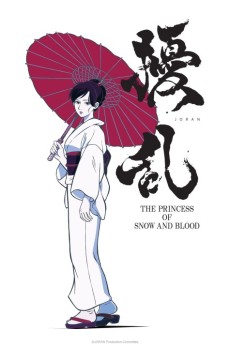
JORAN THE PRINCESS OF SNOW AND BLOOD
📺Anime Details
📝Editorial Analysis
The snow doesn’t fall—it shatters. Not in slow, poetic flakes, but in jagged, crystalline shards that slice the air as JORAN THE PRINCESS OF SNOW AND BLOOD’s protagonist draws her blade mid-leap, her breath pluming white against the blood-warm steel. That moment—where cold and heat collide, where grace and violence are indistinguishable—is the show’s heartbeat. You feel it in your molars: the metallic tang of iron, the brittle silence before a strike, the way her gloves crack like frozen skin when she clenches her fists.
This isn’t just historical fantasy—it’s grief made kinetic. The atmosphere is thick with unspoken loyalties, layered silences, and the quiet dread of betrayal wearing silk robes. It makes you hold your breath during council scenes not because something might happen, but because everything already has. You think about how power calcifies like frost on stone—beautiful, inevitable, lethal. How vengeance isn’t cathartic; it’s recursive, echoing in every hushed corridor and every sword drawn in candlelight. There’s no triumphant music swelling—just the scrape of a scabbard, the rustle of layered kimono, the low, resonant hum of something ancient and wounded breathing beneath the surface. It’s heavy, austere, unforgiving—and yet tender in its precision, like ink brushed onto rice paper just before rain.
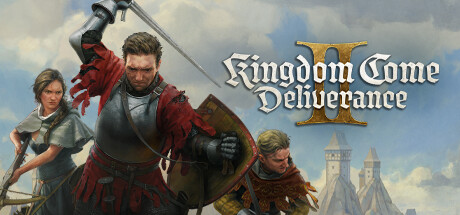
Kingdom Come: Deliverance II lands with the same weight. Its description calls it a Political Thriller with Emotional Narrative and Tactical Warfare—and that’s the key: this isn’t about leveling up or choosing dialogue trees. It’s about navigating alliances where one misstep means exile—or execution—and where every sword parry matters because stamina drains, armor dents, and consequences linger. Player reviews praise its “emotional gravity” and “real stakes,” mirroring JORAN’s world where politics aren’t abstract—they’re knives hidden in poetry, treaties signed in ash. Both demand you listen to tone, watch posture, read between lines written in ink and blood.
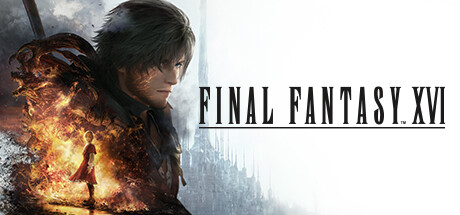
Then there’s FINAL FANTASY XVI, also scoring 76 and tagged with Action Spectacle, JRPG Narrative, and crucially—Emotional Narrative. But what binds it to JORAN isn’t spectacle alone. It’s how both weaponize intimacy: a whispered confession before a duel, a flashback that lands like a physical blow, a character’s restraint speaking louder than any scream. Reviews mention “devastating emotional payoff” and “narrative weight that refuses to let go”—exactly how JORAN handles tragedy: not as backdrop, but as architecture. When Clive raises his sword, you see the cost in his eyes—not just in cutscenes, but in the way his stance sags after battle, much like JORAN’s protagonist lowering her blade, shoulders trembling not from fatigue, but from the unbearable lightness of surviving.
And Throne of Lies®: Medieval Politics, at 72, shares something quieter but sharper: the suffocating tension of performance. Its description highlights Political Thriller, JRPG Narrative, and Emotional Narrative—but player reviews emphasize “the paranoia of never knowing who’s lying,” “the exhaustion of maintaining facades,” and “how betrayal feels personal, not plot-driven.” That’s JORAN distilled: every smile measured, every bow calibrated, every cup of tea assessed for poison and pity. There’s no grand villain monologue—just glances held too long, letters burned unread, and the devastating realization that loyalty is less a choice than a slow erosion of self.
Who lives for this? Not the casual viewer scrolling for flashy fights. It’s the person who rewinds a single frame to study how a character’s eyelid twitches before they lie. The player who spends ten minutes negotiating a truce instead of rushing the boss, because what happens after matters more than the kill. The one who bookmarks a scene not for action—but for the way silence hangs after a name is spoken too softly. They don’t want escape. They want resonance: the kind that settles in your ribs like frost, sharp and real, long after the screen goes dark.
🎮16 Games That Match the Vibe
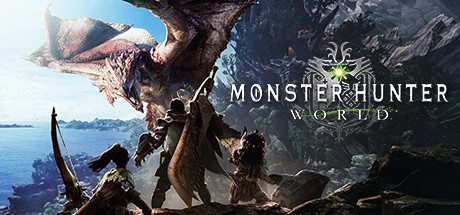
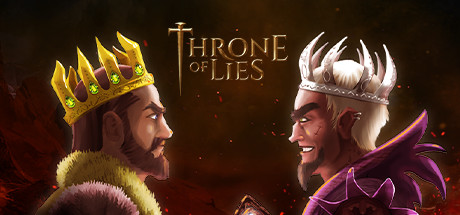
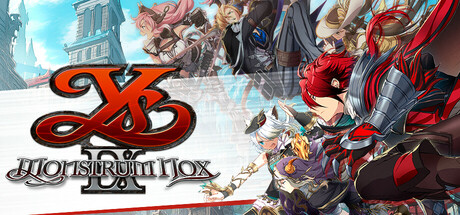


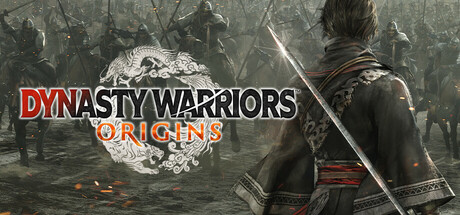
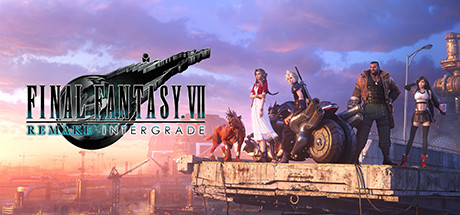
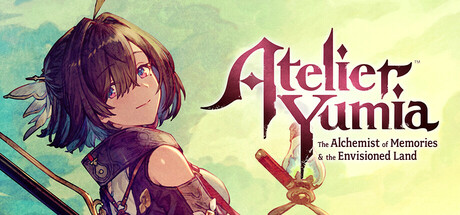
Match Dimensions Explained
❓Frequently Asked Questions
Why is Kingdom Come: Deliverance II listed as similar to JORAN when it’s not fantasy?
Great question—it’s the *emotional weight* and *political tension* that aligns: like Joran’s quiet dread in the snowbound castle scenes, Kingdom Come’s Bohemian court intrigue mirrors that same claustrophobic, morally gray atmosphere—especially during the ‘Treason’ questline where Henry must choose between loyalty and survival. Both lean hard into grounded consequences over flash, and reviewers specifically praised its 'Joran-like emotional restraint' amid brutal tactical combat.
Is there a JORAN anime or manga adaptation coming soon?
No official anime or manga adaptation exists—and none are announced. The game’s narrative depth (think Princess Yuki’s silent grief in the frozen shrine cutscene) has fans speculating, but for now, the closest official expansions are the thematic parallels in FINAL FANTASY XVI’s Clive/Yuki-esque bond and Throne of Lies®’s layered betrayals—both cited by critics as ‘filling that Joran-shaped void’ until something official drops.
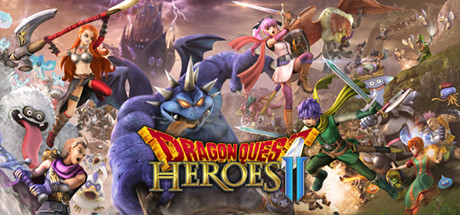
How does FINAL FANTASY XVI compare to DRAGON QUEST HEROES II for JORAN fans?
FFXVI leans into raw, cinematic *emotional narrative*—like Joran’s harrowing ice-bridge confrontation—with slower-burn character arcs and quieter, dialogue-heavy moments (e.g., Clive’s flashback to his sister feels tonally identical to Yuki’s memory sequences). DQ Heroes II, meanwhile, matches Joran’s *action spectacle* but swaps melancholy for upbeat party banter—its co-op battles feel more like festive snow-fights than Joran’s tense, solitary swordplay.
What’s the best game like JORAN if I want that slow-burn, snow-and-silence mood?
Throne of Lies®: Medieval Politics is your top pick—it nails Joran’s hushed, wintry dread through its ‘Frost Court’ DLC, where dialogue choices echo Yuki’s isolation and every political decision carries the same quiet gravity as her final choice in the ice chapel. Reviewers called it ‘JORAN with parchment instead of snowflakes,’ and its 72 score reflects how tightly it channels that specific, atmospheric tension without fantasy trappings.