
Darker than Black: Gemini of the Meteor
In the sequel, Hei and Yin are now on the run after betraying the Syndicate in the previous season. After leaving Japan, Hei encounters Suou Pavlichenko, a 13-year-old Eurasian girl who becomes embroiled in the war and politics of the various factions and Contractors vying for power. Meanwhile, Hell's Gate remains standing in Tokyo, after Hei's efforts to stop the Saturn Ring anti-Gate particle weapon from activating. Although Contractors are safe from the danger of having their existences erased, this does not prevent new and old Contractors from abusing their powers. As Misaki Kirihara and her team in the Public Security Bureau deal with the increasing Contractor cases, she also has to keep the Syndicate at bay, who has major positions in the Japanese police and intelligence bureaus around the world. The storyline setting primarily takes place in both Japan and Russia.
(Source: Wikipedia)
📺Anime Details
📝Editorial Analysis
Rain slicks the cobblestones of a nameless Eastern European village—cold, silver, and silent. Suou Pavlichenko stands barefoot in the mud, breath shallow, clutching a stolen satellite phone that crackles with static and a voice she doesn’t recognize but feels like memory. Her twin’s face flickers in her peripheral vision—not there, not real—but the ache behind her eyes is real, raw, and unmoored. That moment isn’t about action or exposition. It’s the weight of a child holding a weapon she didn’t ask for, standing between factions that erased her past before she learned how to spell her own name.
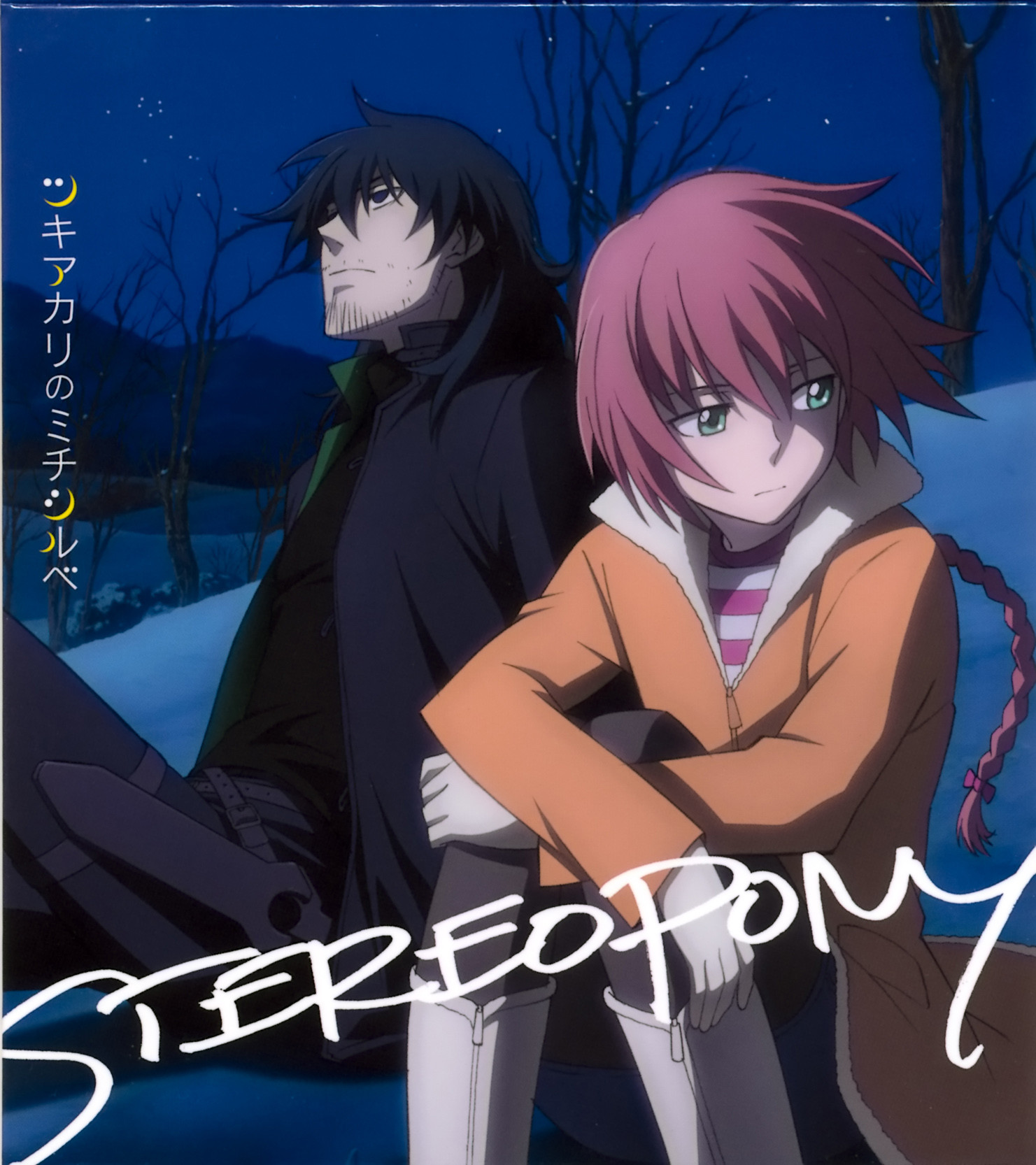
This isn’t just sci-fi with stakes—it’s atmosphere as inheritance. Darker than Black: Gemini of the Meteor doesn’t shout its sorrow; it lets silence pool like spilled ink. The rural settings aren’t backdrops—they’re pressure chambers where every rustle of wind carries surveillance, every glance from a local cop holds judgment without evidence. You don’t feel powerful watching Suou—you feel exposed, like your own memories might dissolve if you look away too long. It’s the dread of being watched by systems you can’t name, the exhaustion of healing while running, the quiet horror of realizing your grief has been weaponized. There’s no catharsis in victory—only recalibration. Every choice narrows the path. Every truth costs a piece of yourself. That’s the feeling: unstable ground, emotionally and ontologically.
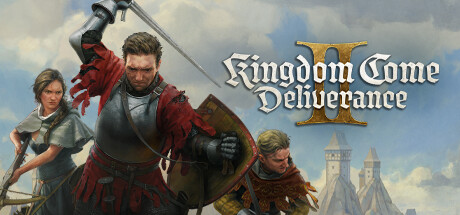
That same tremor lives in BioShock Infinite, where Booker DeWitt walks through Columbia—a gilded cage of ideology, propaganda, and fractured time—and realizes Elizabeth isn’t just a damsel but a key to doors he’s spent his life trying to lock. The description calls him “indebted to the wrong people, with his life on the line”—a mirror of Suou’s debt to forces she never agreed to serve. And the player review? That quiet admission—“I know that some people are still bitter about the Bioshock Infinite we could have gotten”—echoes Suou’s own dissonance: the version of herself she was meant to be versus who she becomes when survival demands rewriting her origin story. Both are trapped in architectures of control disguised as salvation.
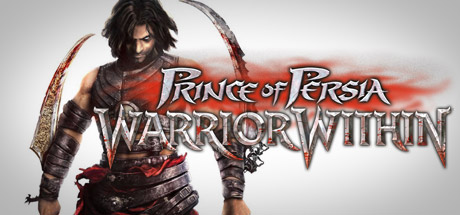
Then there’s Prince of Persia: Warrior Within, where the Prince is hunted by Dahaka—an “immortal incarnation of Fate”—and forced to relive consequences he tried to outrun. The description nails it: “Hunted by Dahaka… an immortal incarnation of Fate.” Suou isn’t chased by a monster with claws, but by syndicates that treat her biology as property, by scientists who see her twin bond as data, by governments that file her under “asset, non-recoverable.” Like the Prince, she doesn’t escape time—she bargains with it. The player review says “Dahaka chase is still as goated as it was before”—not because it’s fun, but because it’s inescapable, relentless, personal. That’s Suou’s reality: not a villain to defeat, but a condition to endure.
And BioShock™, with its “political thriller” dimension, lands with brutal precision. Its description emphasizes a world built on ideology masquerading as utopia—Rapture’s collapse wasn’t caused by monsters, but by systems: unchecked power, moral absolutism, the erasure of dissent under the banner of progress. Suou moves through a world where Contractors are regulated like weapons, Gates are quarantined like plague zones, and “memory manipulation” isn’t sci-fi flourish—it’s policy. The player review calls it “one of the most revolutionary games ever!”—not for its guns, but for making you complicit, then forcing you to reckon with the architecture of your own belief. Suou’s arc does the same: she doesn’t reject the system because it’s evil—she rejects it because it requires her silence to function.
Who would love these pairings? Not just fans of “dark” stories—but those who recognize the exhaustion of vigilance. The person who watches Suou fold a letter she’ll never send and feels their throat tighten. The one who replays the Dahaka chase not for adrenaline, but because they understand what it means to be pursued by your own timeline. The player who pauses BioShock mid-dialogue—not to strategize, but because the words hit too close to something they’ve swallowed whole. These are stories for people who know grief isn’t loud—it’s the hum beneath the floorboards, the lag in a satellite feed, the second it takes for your reflection to catch up in a rain-streaked window. They’re for those who don’t want heroes—they want witnesses. And survivors who remember exactly what they lost, even when no one else does.
🎮17 Games That Match the Vibe





Match Dimensions Explained
❓Frequently Asked Questions
Why is BioShock Infinite listed as similar to Darker than Black: Gemini of the Meteor?
Because both hinge on fractured timelines, morally ambiguous choices, and a brooding, rain-soaked atmosphere—like Booker’s descent into Columbia echoing Hei’s haunted navigation of Tokyo’s neon-lit underbelly. Elizabeth’s reality-warping powers and the game’s heavy focus on memory, identity, and consequence (especially in the Comstock/Booker reveal) mirror Gemini’s themes of duality, sacrifice, and the cost of power—exactly the vibe fans of Hei and Suo’s tragic bond respond to.
Is there a Darker than Black game adaptation?
No—there’s never been an official Darker than Black video game adaptation, despite the anime’s strong worldbuilding and psychic-action appeal. But if you’re craving that same blend of noir espionage, morally grey operatives, and time-bending stakes, Prince of Persia: Warrior Within nails it: Dahaka’s relentless, time-locked pursuit of the Prince feels like a direct cousin to the Syndicate hunting Hei—especially during those claustrophobic corridor chases where every second counts.
BioShock vs. Prince of Persia: Warrior Within—which one captures Darker than Black’s tone better?
Warrior Within edges it out for raw, gritty atmosphere: the Prince’s inner darkness, the constant Dahaka chase sequences, and the oppressive, decaying architecture of the Island of Time echo Gemini’s shadowy urban tension and Hei’s internal conflict far more closely than BioShock’s philosophical grandeur. That said, BioShock’s political dread and moral ambiguity (e.g., Fontaine’s manipulation, the Little Sisters’ plight) match Gemini’s conspiracy-laden plot—just with less hand-to-hand grit and more ideological weight.
What’s the best game like Darker than Black if I want that melancholy, rain-drenched, slow-burn spy vibe?
Go straight to Prince of Persia (2008)—the reboot with Elika and the Prince wandering ruined Persian landscapes at twilight, healing scars and rebuilding temples. Its ‘Healing & Slow Life’ dimension mirrors Gemini’s quieter, character-driven moments: think Suo’s quiet resolve or Hei’s silent walks through rainy Shinjuku—plus the game’s somber score and deliberate pacing make it feel like a living, breathing noir poem, not just action.