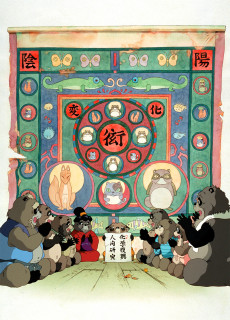
Pom Poko
Faced with the destruction of their habitat due to the growth of Tokyo, a group of tanuki try to defend their homes. They decide to use their transforming talents to try to hold back the new development. Two of them, especially skilled at transforming, are sent to Shikoku to enlist the help of three sages. Meanwhile, the rest of them do their best to disrupt the construction site, at first causing accidents, and then actually haunting the site. However, the humans are very persistent, and soon the tanuki are forced to use more and more extreme measures to save their home.
(Source: Anime News Network)
📺Anime Details
📝Editorial Analysis
The last time the tanuki gather on the ridge, their fur is matted with rain and dust, their eyes reflecting the orange glare of bulldozer headlights cutting through the fog—not as monsters, not as warriors, but as exhausted elders watching their forest shrink to a memory. One lifts a paw, trembling, and tries—one last time—to conjure the old illusion: a towering, snarling kami of the mountain. The image flickers, translucent, then dissolves into mist. No roar. No magic. Just silence, and the low, relentless thrum of earthmovers leveling the soil where their burrows once breathed.
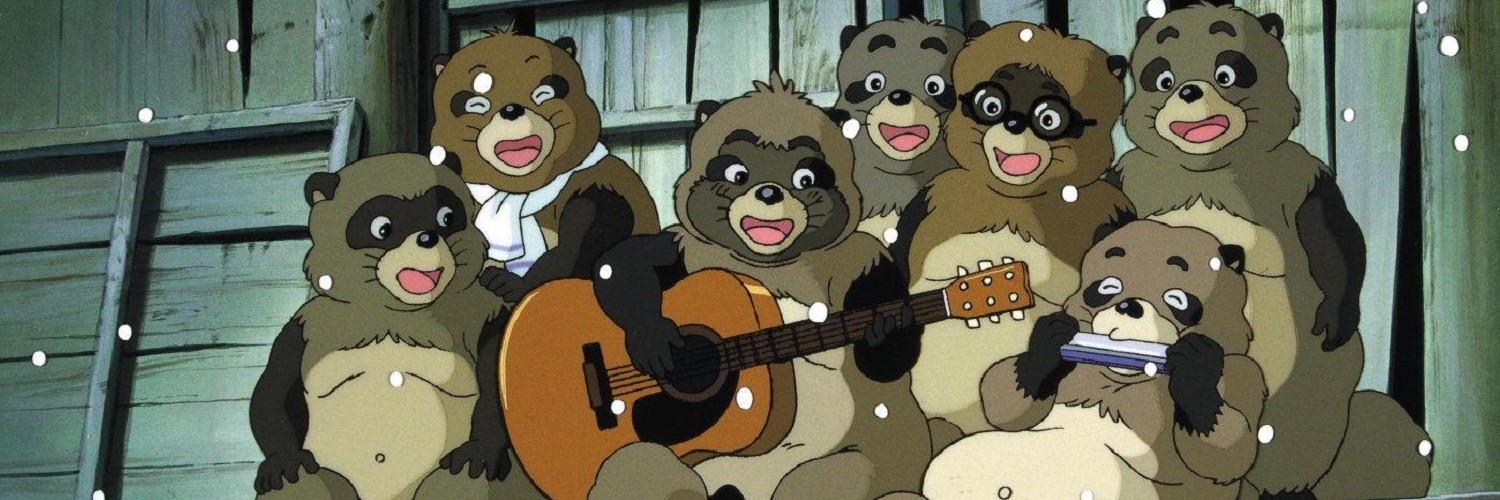
That moment isn’t about failure—it’s about dignity in dissolution. Pom Poko doesn’t trade in heroic last stands or triumphant reversals. Its atmosphere is thick with melancholic reverence: the warmth of communal cooking over open fires, the absurd slapstick of poorly timed transformations collapsing mid-illusion, the hush that falls when an elder recounts a myth whose power has thinned like ink in rain. It makes you feel the weight of continuity—not as something preserved, but as something carried, frayed, and passed on even as the ground vanishes beneath your paws. It asks you to grieve not just trees or rivers, but the quiet grammar of belonging—the way a fox knows which path leads to the shrine gate, how a river’s song changes downstream, what it means to be of a place when the place refuses to stay still.
Prince of Persia resonates here—not because of acrobatics or sand magic, but because of its Melancholic Exploration. The game’s world isn’t a backdrop for conquest; it’s a living archive of loss, where crumbling palaces hold echoes of forgotten rites, and every restored mural feels like a fragile act of remembrance. A player review notes its “Healing & Slow Life” dimension—exactly the rhythm Pom Poko demands: time spent kneeling beside a spring, tracing moss on stone, listening more than acting. Both works treat space as sacred memory, not real estate—and movement through it is less about speed than attentiveness, a kind of walking prayer.
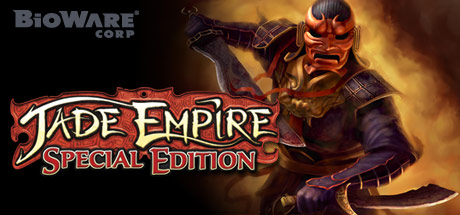
Jade Empire™: Special Edition shares Pom Poko’s deep root in Mythology & Folklore, not as costume or set dressing, but as lived ethical architecture. In Jade Empire, moral choice isn’t binary good/evil—it’s the tension between Open Palm compassion and Closed Fist discipline, echoing Pom Poko’s own schism: some tanuki embrace radical disruption, others retreat into ritual, while the sages from Shikoku speak in riddles that bind action to ancestral humility. The player review’s mention of “Fantastic game” paired with the gritty reality of needing Reddit workarounds to launch it? That mirrors Pom Poko’s tone—profound beauty coexisting with stubborn, unglamorous friction. Neither offers clean answers; both insist mythology is messy, contested, and practiced, not recited.
Children of the Nile: Enhanced Edition, though a city-builder, pulses with the same Tactical Warfare born of devotion—not conquest, but stewardship under siege. As Pharaoh, you don’t command armies to expand borders—you allocate grain to keep temples staffed, divert floods to save orchards, negotiate with priests whose prayers are infrastructure. The player review’s raw ache—“how many hours I have lost… how painful it is for me to play right now”—captures Pom Poko’s emotional core: love so fierce it hurts to tend what’s slipping away. Both ask you to measure victory in seasons saved, not territories claimed; in the quiet persistence of planting barley where a road was meant to be.
This pairing is for the person who cries at the sight of a single surviving cherry tree in a parking lot. For the one who replays a 20-year-old JRPG not for the battles, but for the way the village blacksmith hums while mending a broken hinge. For the player who pauses mid-quest to watch birds nest in a ruined tower, and the viewer who stays through Pom Poko’s final, wordless montage—not waiting for hope, but honoring the tenderness of trying anyway. They don’t seek escapism. They seek witnessing: the sacred, stubborn, soft resistance of life insisting—against all logic—that home is worth remembering, even as it fades.
🎮10 Games That Match the Vibe





Match Dimensions Explained
❓Frequently Asked Questions
Why does Prince of Persia keep coming up when I search for games like Pom Poko?
Because both lean hard into melancholic exploration and quiet, healing-paced journeys—like wandering the sun-dappled ruins in Prince of Persia’s opening desert sequences, where time slows and every crumbling arch feels steeped in memory, much like Pom Poko’s bittersweet walks through vanishing forests. The game’s ‘Healing & Slow Life’ dimension mirrors Pom Poko’s tone far more than its acrobatic surface suggests.
Is there a Pom Poko anime adaptation with gameplay?
No—there’s no official Pom Poko game or anime tie-in. But Jade Empire™: Special Edition comes closest in spirit: it weaves Japanese and Chinese folklore (fox spirits, shape-shifting, moral ambiguity) into its JRPG narrative, just like Pom Poko’s tanuki mythology, and lets you choose paths that echo the film’s themes of cultural preservation vs. surrender.
How is Children of the Nile different from Jade Empire if both involve mythology?
Jade Empire is a character-driven, choice-heavy JRPG where you spar as a martial-arts student confronting celestial betrayals—think Master Li’s trials or the Spirit Monk’s revelations. Children of the Nile is a slow-burn city-builder where you *are* the Pharaoh managing citizen needs, temple rituals, and Nile floods—so while both honor myth, one unfolds in dialogue and combat, the other in granaries and processions.
What’s the best game like Pom Poko if I want that peaceful-but-sad forest-wandering vibe?
Prince of Persia (2023) is your best bet—especially the early chapters where you walk alone through overgrown palaces and misty gardens, solving environmental puzzles at a meditative pace. Its ‘Melancholic Exploration’ dimension and 77 Metacritic score reflect how deeply it captures that same hushed, elegiac rhythm as Pom Poko’s tanuki patrols through shrinking woods.