
Rainbow Days
Nijiiro Days follows the colorful lives and romantic relationships of four high school boys—Natsuki Hashiba, a dreamer with delusions of love; Tomoya Matsunaga, a narcissistic playboy who has multiple girlfriends; Keiichi Katakura, a kinky sadist who always carries a whip; and Tsuyoshi Naoe, an otaku who has a cosplaying girlfriend.
When his girlfriend unceremoniously dumps him on Christmas Eve, Natsuki breaks down in tears in the middle of the street and is offered tissues by a girl in a Santa Claus suit. He instantly falls in love with this girl, Anna Kobayakawa, who fortunately attends the same school as him. Natsuki's pursuit of Anna should have been simple and uneventful; however, much to his dismay, his nosy friends constantly meddle in his relationship, as they strive to succeed in their own endeavors of love.
[Written by MAL Rewrite]
📺Anime Details
📝Editorial Analysis
A boy sobs on a rain-slicked sidewalk, Christmas lights blurring overhead, tissues offered by a stranger he doesn’t yet know will become the quiet center of his world. Not a dramatic betrayal. Not a grand tragedy. Just tears, raw and unfiltered, caught mid-fall—because love ended, not with fireworks, but with silence and a coat pulled tighter against the cold.
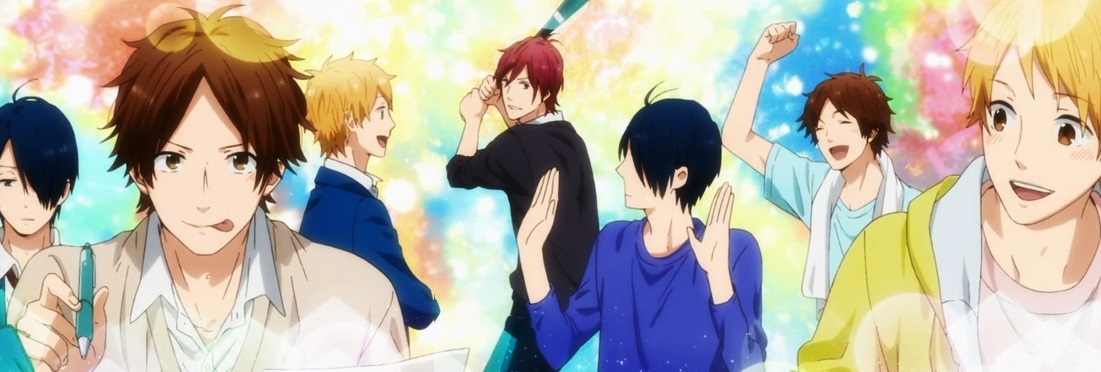
That moment isn’t about heartbreak as spectacle. It’s about how fragile feeling is when you’re seventeen: how a single rejection can hollow out your chest, how kindness arrives without fanfare, how connection begins not in confession, but in shared awkwardness over bento boxes and whispered confessions between classes. Rainbow Days doesn’t build catharsis through stakes—it builds it through texture: the crinkle of plastic-wrapped onigiri, the echo of sneakers on hallway tile, the way Tomoya’s smirk falters just once when someone sees past the playboy act. It’s warm, slightly messy, emotionally porous—like breathing air that still holds the scent of lunchtime miso soup and pencil shavings. You don’t watch it to escape life. You watch it because it leans into the quiet weight of being young and tender-hearted in a world that rarely pauses for that.
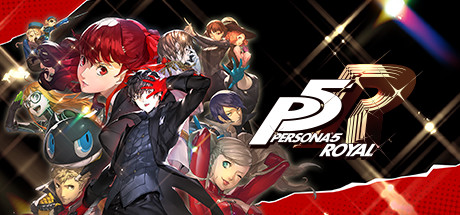
Which is why Persona 5 Royal lands with such startling resonance. Its description promises “explore Tokyo, build relations”—but the player review nails the emotional core: “The seamless transition between daily life…” That’s the heartbeat. Not just dungeon crawling or fusion mechanics, but the rhythm: choosing who to talk to after school, remembering to bring coffee to Ann before her part-time shift, watching a confession bloom slowly over weeks of shared train rides and rainy-day study sessions. Like Natsuki learning to trust again not through grand gestures but through Keiichi’s dry wit over shared ramen, or Tsuyoshi’s quiet loyalty during a cosplay photoshoot gone hilariously wrong—Persona 5 Royal makes intimacy feel earned, lived-in, ordinary. The soundtrack may be stunning, but what lingers is how its narrative architecture treats romance like breathing—unforced, cyclical, deeply human.
Then there’s Jade Empire™: Special Edition, whose description drops us into martial-arts mastery and moral duality—but the player review hints at something quieter beneath the surface: the effort required to even access the feeling. That Reddit workaround—copying “steam.dll” from your Steam library—isn’t just tech jargon. It’s a metaphor. Like Natsuki crying in public only after months of internalizing every failed flirtation, or Keiichi hiding his whip behind jokes because vulnerability feels like walking barefoot on gravel—Jade Empire asks you to work to reach its emotional terrain. Its romance isn’t flagged on a menu; it’s buried in dialogue choices that ripple across chapters, in silences between master and student, in the way affection blooms not despite duty, but within it. That same layered restraint lives in Rainbow Days’ tsundere rhythms—the way a character snaps then slides a perfectly folded napkin across the table, or glares while handing over extra mochi.
And Dragon Age: Origins, with its legacy-defining heroism and pause-attack tactics? Look past the blight and darkspawn. The player review says: “help a lot to strategist your tactic…” Strategy here isn’t just combat—it’s emotional calculus. Who do you comfort after a loss? Whose backstory do you prioritize? How much do you reveal before the party trusts you enough to follow you into fire? That’s the same delicate choreography in Rainbow Days: Tsuyoshi navigating his otaku identity alongside his girlfriend’s bold self-expression, Tomoya recalibrating charm into care, Natsuki learning that love isn’t a fantasy to chase—it’s a practice, built day by day, choice by choice. Both ask: What does loyalty sound like when no one’s watching?
This pairing sings for the person who cries at grocery store playlists, who saves voice memos of friends laughing, who replays a single line of dialogue—not for plot, but for the tremor in the voice. For the one who keeps a half-eaten melon soda can on their desk not because it’s refreshing, but because it remembers the afternoon they first watched Natsuki smile without rehearsing it first—and who, later that night, pauses Persona 5 Royal mid-conversation just to stare at the rain on Shibuya’s windows, thinking: Yeah. That’s how it feels.
🎮6 Games That Match the Vibe

Match Dimensions Explained
❓Frequently Asked Questions
Why is Persona 5 Royal listed as similar to Rainbow Days when it’s not a dating sim?
Great question—it’s because both lean hard into romantic character arcs, school-life rhythm, and emotional growth through relationships (like Ann Takamaki’s confidence journey or Ryuji’s loyalty quests), plus that same vibrant, stylish Tokyo setting you vibe with in Rainbow Days. The 'Romance & Shoujo' dimension in the match list isn’t about dating mechanics alone—it’s about tone, interpersonal intimacy, and how love shapes identity, which P5R nails in scenes like the Shibuya scramble crossing confessions or the Valentine’s Day party.
Is there an anime or manga adaptation of Dragon Age: Origins like there is for Rainbow Days?
Nope—Dragon Age: Origins has no official anime or manga adaptation (unlike Rainbow Days, which got a full anime series). But fans love how its romance options—like Morrigan’s morally complex arc or Alistair’s goofy-yet-vulnerable banter—echo the emotional sincerity and slow-burn chemistry you get from characters like Haruto and Nao. That ‘Romance & Shoujo’ match comes from shared narrative weight, not adaptations.
How does Jade Empire compare to Persona 5 Royal for someone who loves Rainbow Days’ school festival energy?
Jade Empire doesn’t have school festivals—but it *does* deliver that same electric, character-driven spectacle during its martial arts tournaments and faction showdowns, where your choices visibly shift how allies like Dawn Star or Master Li respond to you. While P5R leans into modern Japanese teen life (think Mementos dungeon prep before the Cultural Festival), Jade Empire trades classrooms for imperial academies and gives you that same rush of personal stakes, stylish presentation, and heartfelt bonds—just with kung fu instead of cram school.
What’s the best game like Rainbow Days if I want something cozy but still emotionally rich?
Go straight to Persona 5 Royal—it’s the coziest pick on the list without sacrificing depth. Think quiet moments like walking home with Ann under cherry blossoms, cooking curry with Ryuji after class, or choosing which confidant to hang out with on rainy Sundays. Its ‘Romance & Shoujo’ alignment isn’t just fluff; reviews call out how the daily life loop makes every relationship feel earned and tender, just like Rainbow Days’ gentle pacing and heartfelt confessions.