
March comes in like a lion Season 2
The second season of 3-gatsu no Lion.
Now in his second year of high school, Rei Kiriyama continues pushing through his struggles in the professional shogi world as well as his personal life. Surrounded by vibrant personalities at the shogi hall, the school club, and in the local community, his solitary shell slowly begins to crack. Among them are the three Kawamoto sisters—Akari, Hinata, and Momo—who forge an affectionate and familial bond with Rei. Through these ties, he realizes that everyone is burdened by their own emotional hardships and begins learning how to rely on others while supporting them in return.
Nonetheless, the life of a professional is not easy. Between tournaments, championships, and title matches, the pressure mounts as Rei advances through the ranks and encounters incredibly skilled opponents. As he manages his relationships with those who have grown close to him, the shogi player continues to search for the reason he plays the game that defines his career.
📺Anime Details
📝Editorial Analysis
Rain taps the windowpane of the Kawamoto apartment—soft, insistent, like a shogi piece settling onto wood after hesitation. Rei sits cross-legged on the tatami, eyes fixed not on the board between him and Akari, but on the steam rising from her mug of barley tea. His fingers don’t move. Neither does she. She doesn’t prompt. Doesn’t fill the silence. She just waits, her gaze steady, warm—not expectant, not pitying—just there, like the quiet weight of a season turning. That stillness isn’t emptiness. It’s full. It’s held.
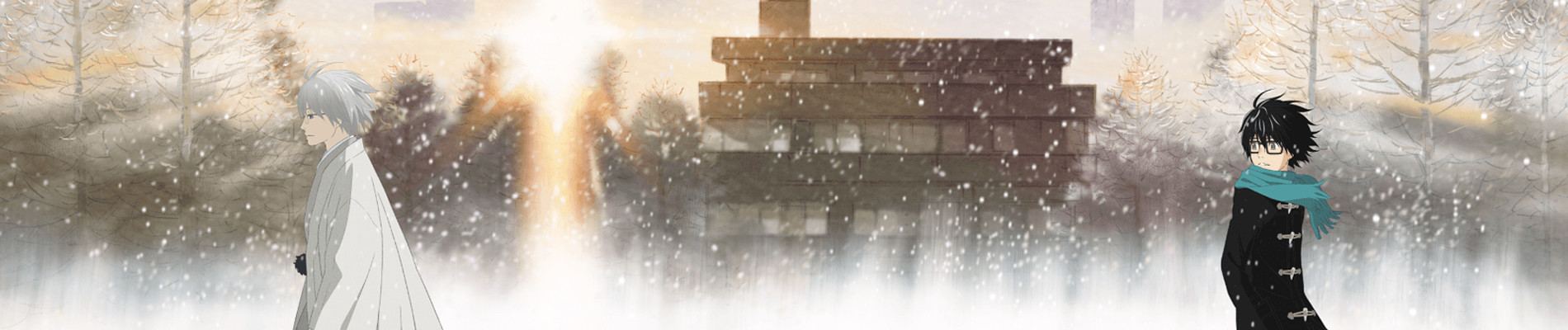
This is the atmosphere: unhurried gravity. Not melancholy, not despair—but the deep, resonant hum of a life learning how to carry its own weight again. March comes in like a lion Season 2 doesn’t dramatize healing as breakthroughs or climactic confessions. It lives in the after of pain—the slow relearning of trust, the way Hinata’s laughter cracks open a room like sunlight through clouds, the way Momo’s blunt honesty lands not like an arrow but like a hand on your shoulder. It’s urban, yes—Tokyo’s concrete and narrow alleys—but it breathes like a living thing: damp laundry lines, the scent of miso simmering, the muffled clack of shogi pieces in the hall where strangers become witnesses to your becoming. You don’t watch this anime—you settle into it, like sinking into a well-worn sofa after a long day. It makes you think about how tenderness isn’t always soft—it can be firm, patient, stubbornly ordinary. How family isn’t inherited—it’s built, one shared meal, one silent walk home, one game of shogi at a time.
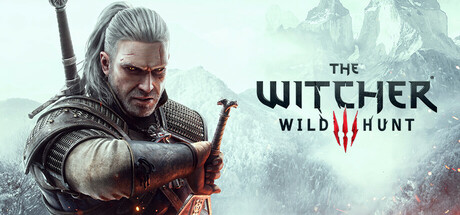
That emotional DNA—quiet resilience, adult sorrow worn lightly, intimacy forged in stillness—echoes unmistakably in certain games. Take The Witcher 3: Wild Hunt, with its description framing Geralt as a “mercenary monster slayer” navigating a “war-torn, monster-infested continent” while hunting Ciri. The player review nails it: “DLC announced 11 years after release, my favourite game keeps getting better…” That longevity isn’t just technical—it’s emotional endurance. Like Rei returning to the shogi hall after defeat, Geralt returns to Nilfgaard’s ruins, to Skellige’s cliffs, to his own grief—not to conquer it, but to live alongside it, to let meaning accrue slowly, across years and expansions. Both ask you to sit with consequence, not rush past it.
Then there’s Tank Universal, whose description pitches it as a sci-fi tank wargame inspired by Tron and Battlezone, yet the player review cuts deeper: “Play cool tank game with dad when you were 6… Love the cool sound effects, and the colors. time goes on; loose access to game. Grew up dad passes away…” That raw, unvarnished pivot—from childhood joy to adult loss—is pure March comes in like a lion. Not spectacle, not lore—but the visceral, almost physical memory of safety, then its absence, then the quiet act of remembering how that safety felt. Rei’s flashbacks to his father aren’t dramatic confrontations—they’re sensory fragments: the smell of ink, the angle of light on a shogi board. So is this review: sound, color, time slipping, love persisting in the gaps.
Even Jade Empire™: Special Edition, described as stepping into “the role of an aspiring martial-arts master” choosing “the path of the open palm or the closed fist,” resonates—not in its combat, but in its player review’s weary, loving pragmatism: “Fantastic game, but to get to launch I had to follow these instructions I got from Reddit…” That detail—the friction of real life intruding, the dedication required just to access beauty—is profoundly Kawamoto-sister energy. Akari doesn’t hand Rei answers; she hands him a key to her apartment, shows him how to boil rice, lets him fail at folding laundry. The care is in the process, not the perfection. So is launching Jade Empire—not mythic, but human: fumbling with DLL files, trusting strangers online, choosing to show up for something fragile and meaningful anyway.
This pairing is for the person who cries at grocery store parking lots—not because something’s wrong, but because the light hits the puddles just so, and for a second, the world feels tenderly, overwhelmingly held. For the one who keeps their shogi set on the shelf beside old textbooks and half-finished sketchbooks. Who plays games not to win, but to linger—in Geralt’s weathered voice, in the hum of Tank Universal’s neon treads, in the weight of a wooden piece clicking home. They don’t need fireworks. They need this: the rain on glass, the steam from tea, the quiet certainty that healing isn’t a destination—it’s the courage to sit, unmoving, and let someone wait with you.
🎮19 Games That Match the Vibe






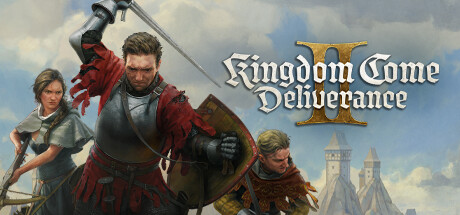

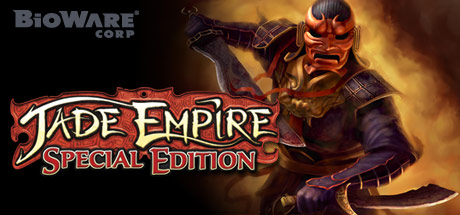


Match Dimensions Explained
❓Frequently Asked Questions
Why does the chess scene with Hinata and Rei in March Comes in Like a Lion S2 feel so emotionally heavy?
That scene hits hard because it mirrors Rei’s internal isolation and Hinata’s quiet, persistent empathy—exactly the kind of layered emotional storytelling you’ll find in The Witcher 3: Wild Hunt, where Geralt’s choices with Ciri or Yennefer carry weight far beyond plot points. The slow pacing, restrained dialogue, and focus on unspoken tension are hallmarks shared with Jade Empire™: Special Edition, especially during your martial-arts master’s moral crossroads between the Open Palm and Closed Fist paths.
Is there a video game adaptation of March Comes in Like a Lion?
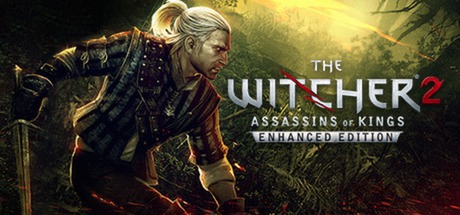
No—there’s never been an official video game adaptation of March Comes in Like a Lion, anime or manga. But if you’re craving that same melancholic, character-driven intensity with mature themes and quiet moments of growth, The Witcher 2: Assassins of Kings Enhanced Edition delivers it flawlessly: its morally grey political intrigue, intimate character arcs (like Roche vs. Iorveth), and consequences that linger across chapters hit the same emotional register as Rei’s arc in Season 2.
What’s the best game like March Comes in Like a Lion S2 for when I need something thoughtful and low-stakes but deeply human?
Go straight to Jade Empire™: Special Edition—it’s the closest match for that grounded, introspective vibe. You’re not saving the world with explosions; you’re navigating loyalty, identity, and legacy through dialogue choices and martial arts philosophy, just like Rei works through grief and connection over shogi boards and rainy train stations. The player review even nods to its emotional staying power: 'Fantastic game'—and yes, it *is* that rare gem that feels personal without needing flash.
How accurate is Tank Universal as a match for March Comes in Like a Lion S2’s tone?
Surprisingly accurate—not in setting, but in emotional texture. Tank Universal’s player review mentions playing it with dad at age 6, then losing access, then grieving his passing… that raw, nostalgic ache mirrors how March S2 handles memory, loss, and quiet resilience. It’s not about tanks—it’s about how the game anchors big feelings in small, sensory details (like those 'cool sound effects, and the colors'), much like Hinata’s tea-steeping scenes or Rei’s solitary walks home.