
Inazuma Eleven
The main character, Endou Mamoru, is a very talented goalkeeper and the grandson of one of the strongest goalkeepers in Japan, who died before he was born. Even though his skills are incredible his school lacks a real soccer club as the 6 other members don't appear very interested even in training. But as soon as a mysterious forward called Gouenji moves to Endou's town, the young goalkeeper sets out to find and recruit members for his soccer team.
(Source: Wikipedia)
📺Anime Details
📝Editorial Analysis
The roar of the crowd isn’t real—not yet. It’s just Endou Mamoru, barefoot on cracked asphalt behind Raimon Junior High, gloveless hands smacking the dusty ground as he dives—again—for a ball that bounces wild off a rusted chain-link fence. His knees scrape. His breath hitches. No teammates watch. No coach calls out. Just him, the echo of his grandfather’s name whispered in old match reports, and the stubborn, burning refusal to let the dream collapse before it’s even named.
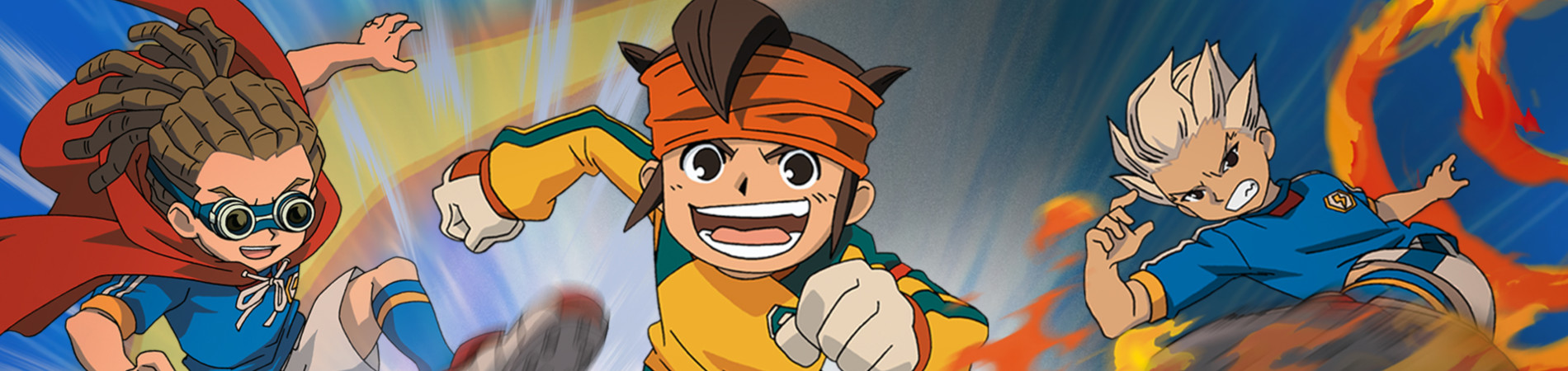
That’s the heartbeat of Inazuma Eleven: not spectacle, but yearning. It’s the weight of inherited legacy pressing down on small shoulders, the quiet ache of wanting something so badly your body moves before your brain catches up—and doing it alone, until someone else finally sees you. This isn’t about polished stadiums or pro contracts. It’s about the first time six kids stand shoulder-to-shoulder under a rain-slicked awning, muddy cleats scuffing concrete, shouting a name they’ve just invented together: Raimon. The supernatural elements—the flaming shots, gravity-defying saves—aren’t power fantasies. They’re physical manifestations of collective belief, of voices rising in unison until the air itself vibrates with possibility. You don’t feel like you’re watching a sports anime. You feel like you’re kneeling in the grass beside them, heart pounding not for the win—but for the next try, the next voice added to the chant, the next hand reaching out to pull someone up.
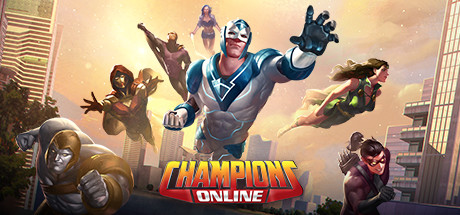
That emotional DNA—found family forged in shared striving, legacy as fuel not burden, the sacredness of the first real team—pulses in surprising places beyond the pitch. Take Champions Online. Its description promises “defend Millennium City” and “design your hero… from thousands of costume pieces”—but the player review nails the resonance: “I love this game. The concept of it. The mechanics. Customization.” That devotion isn’t just to capes and combos. It’s to the act of assembling yourself, piece by deliberate piece, into someone who matters—just like Endou stitching together Raimon, one reluctant recruit, one scraped-knee promise, one impossible save at a time. The “Competitive Spirit” dimension isn’t about leaderboard rankings; it’s the same fierce, protective fire Endou carries for his friends—the instinct to stand guard, not just for a goal, but for the fragile, vital thing they’re building together.
Then there’s Persona 5 Royal, where the description highlights “build relations” and “explore Tokyo,” and the player review gushes over the “seamless transition between daily life…” That rhythm—the quiet intensity of school corridors, the weight of unspoken loyalties, the slow, tender accumulation of trust outside battle—is pure Inazuma Eleven. Gouenji doesn’t join because Endou wins a duel. He joins because Endou keeps showing up, day after day, glove held out, not as a captain, but as a witness. In P5R, bonding confidants isn’t about stats—it’s about choosing who sits beside you on a bench, who shares your silence on a train, whose story you hold gently as their mask cracks. Both understand that the most powerful techniques aren’t flashy—they’re the ones unlocked only when someone truly sees you, and you choose to see them back.
Even Dragon Age: Origins, with its grim “Fifth Blight” stakes and player review praising the “pause attack mechanic… help a lot to strategist your tactic,” taps the same core. The description asks: “What will be said about the hero who turned the tide?” Not “what did they do,” but what will be said—how legacy is woven by others, long after the final whistle. Endou’s grandfather is myth before he’s memory; the Warden’s legend is forged in choices witnessed by companions who’ll carry the tale forward. The tactical pause isn’t just gameplay—it’s the space where loyalty crystallizes, where you choose who takes the hit, who gets the healing, who stands last—exactly like Endou choosing to dive into the storm of Gouenji’s shot, trusting his team to hold the line behind him.
This pairing sings for the kid who still keeps their gym shoes by the door just in case, for the adult who replays a single training montage three times because the way Endou’s voice breaks on “We will play!” hits like a physical thing, for anyone who’s ever built something real—not perfect, not polished—out of sheer, stubborn, shared hope. They don’t want victory handed to them. They want the scrape of knees on pavement, the weight of a glove passed hand-to-hand, the electric silence before six voices shout one name—and know, bone-deep, that this is where the magic begins.
🎮22 Games That Match the Vibe


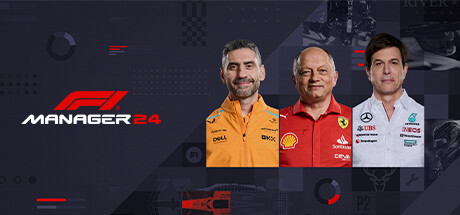
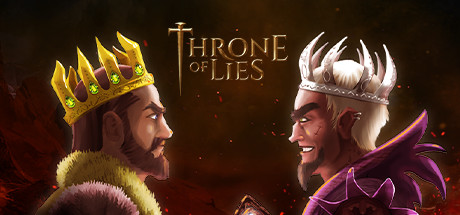


Match Dimensions Explained
❓Frequently Asked Questions
Why does Inazuma Eleven's match against Raimon feel so emotional compared to other soccer games?
Because it mirrors the high-stakes, character-driven intensity you get in Dragon Age: Origins—like when you pause mid-battle during the Ferelden uprising to reposition Alistair and Morrigan, making every tactical choice land like a last-minute goal. That same weight shows up in Persona 5 Royal’s Phantom Thieves heists, where dialogue choices before a boss fight (say, confronting Kamoshida) shift party bonds and alter cutscenes—just like how Endou’s speech before the final Raimon match reshapes the team’s resolve.
Is there an Inazuma Eleven anime adaptation with actual soccer gameplay mechanics?
No—but Champions Online comes closest in spirit: its real-time combat against villains like Dr. Destroyer feels like directing a live Inazuma Eleven match, complete with flashy 'Special Moves' (think Thunderbolt or Burning Tackle) mapped to hotkeys and combo chains. Players even call out move names mid-fight—just like Endou yelling 'Majin The End!' before unleashing a cinematic finisher.
How does Jade Empire compare to Inazuma Eleven in terms of team loyalty and moral choices?
Jade Empire nails the 'choose your path' tension—like when you decide between the Open Palm (compassion) or Closed Fist (power) during the Lotus Assassins arc—and that directly impacts who joins your martial school crew, similar to how recruiting Kageyama or Fudou in Inazuma Eleven hinges on trust-building scenes. It’s less about stats and more about emotional resonance, just like Persona 5 Royal’s Confidant system where maxing Ryuji’s bond unlocks his ultimate Persona *and* changes how he reacts in cutscenes.
What’s the best game like Inazuma Eleven if I want hype, teamwork, and zero chill?
Champions Online—hands down. You’re not just picking a class; you’re designing your own hero from 2,000+ costume pieces, then leading a squad into live PvP arenas or co-op raids where coordinated ultimates (like a teammate’s 'Tactical Shield' syncing with your 'Lightning Strike') feel exactly like Raimon pulling off a perfect Triple Threat combo. One player put it perfectly: 'Its tailor might be the best case of character customization… and the team shouts? Pure Inazuma energy.'