
Mission: Yozakura Family Season 2
📺Anime Details
📝Editorial Analysis
The smell of burnt toast lingers in the air—not from negligence, but because he just teleported mid-breakfast and knocked the toaster sideways while trying to shield her from a sniper’s bullet. She doesn’t flinch. Just reaches over, plucks the blackened slice from the slot, and hands him half—still warm, still crisp at the edges. That quiet, absurd tenderness, stitched between life-or-death stakes and scrambled eggs: that’s Mission: Yozakura Family Season 2.
It doesn’t feel like espionage. It feels like holding your breath while your little sister practices knife-throwing in the garden—and then laughing when she hits the scarecrow and the laundry line. There’s no grand ideological war here, no shadowy cabals debating world order. Just love so fierce it mutates into something dangerous: a father’s suppressed grief reshaping his body mid-sentence; a mother’s smile flickering like faulty wiring before she reboots her own nervous system; a teenager learning that “protecting family” sometimes means letting them bleed in front of you—so you don’t have to look away. The atmosphere is heavy with care, thick with the unspoken weight of bodies that remember trauma in their sinew, their synapses, their scars. You don’t watch this anime—you lean in, pulse syncing to its rhythm of rupture and repair.
That emotional DNA—the way intimacy and violation fold into each other, how love becomes both armor and wound—is why Baldur's Gate 3 resonates so sharply. Its JRPG Narrative and Emotional Narrative dimensions aren’t about epic quests or moral binaries—they’re about the gut-punch of choosing who gets to survive your choices, and how those decisions echo in the silence between dialogue options. Players describe moments where romance isn’t just flirtation, but shared vulnerability after combat: a hand held not for show, but because trembling fingers need grounding. Like Yozakura’s breakfast scene, it’s tender, terrifying, and inescapably human—all at once.
Then there’s Layers of Fear 2, where Body Horror & Occult and Emotional Narrative collide in ways that mirror the Yozakuras’ lived reality. This isn’t gore for shock—it’s the slow, sickening realization that your own flesh is rewriting itself without consent, that memory leaks out through cracked skin, that love distorts perception until you can’t tell if the person beside you is real or a symptom. Reviewers note how the game makes them physically recoil from mirrors—not because of monsters, but because reflection becomes unreliable, unstable, familial. That same unease lives in every Yozakura transformation: not spectacle, but sorrow made visible, grief given vertebrae and teeth.
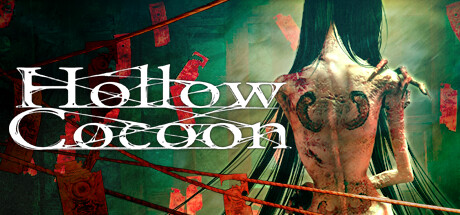
And Hollow Cocoon, also scoring 77 on Body Horror & Occult and Emotional Narrative, lands even closer—its players report being haunted not by jump scares, but by the quiet horror of caregiving under duress: feeding someone who no longer recognizes you, holding a hand that forgets how to grip back, whispering reassurances into ears that no longer process language. That’s the Yozakura kitchen at midnight—exhausted, devoted, unmoored. No villain looms larger than time itself, eroding boundaries between protector and protected, self and sacrifice. The body isn’t a vessel—it’s a ledger, tallying every act of love as debt, every wound as inheritance.
You’ll love these pairings if you’ve ever cried while folding laundry because the shirt still smells like someone who’s gone, or if you pause mid-game to check on your sleeping partner—just to see their chest rise. If you believe romance isn’t fireworks but shared oxygen, and tragedy isn’t fate but the slow erosion of safety you swore to guard. If you understand that the most devastating superpower isn’t invisibility or flight—it’s remembering exactly how someone’s laugh sounds when they think no one’s listening. These aren’t stories about saving the world. They’re about saving each other, again and again, in rooms lit by fridge light and fear and stubborn, stubborn warmth.
🎮32 Games That Match the Vibe














Match Dimensions Explained
❓Frequently Asked Questions
Why does Baldur's Gate 3 keep coming up in Mission: Yozakura Family Season 2 recommendations?
Because both lean hard into emotional narrative tension—like when Anzu’s quiet sacrifices mirror Astarion’s layered trauma arcs, or how the Yozakura family’s hidden loyalties echo BG3’s companion-driven moral crossroads. It’s not about spies or ninjas—it’s about trust unraveling under pressure, and BG3 nails that with its branching dialogue and consequence-heavy choices.
Is there a video game adaptation of Mission: Yozakura Family?
No official game adaptation exists—but fans drawn to its tone often land on Hollow Cocoon, which shares that same eerie, intimate dread: think Anzu’s tense hallway glances reimagined as slow-burn body horror in a decaying apartment complex, where every interaction feels emotionally charged and physically uncanny.
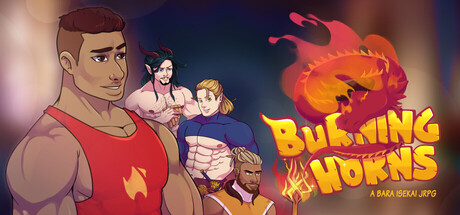
How does Layers of Fear 2 compare to Burning Horns: A Bara Isekai JRPG for someone who loves Mission: Yozakura Family’s mix of secrecy and sensuality?
Layers of Fear 2 leans into psychological disintegration—like the ‘mirror scene’ where identity fractures—while Burning Horns uses isekai tropes to explore intimacy and power dynamics through characters like Kaito and his reluctant mentor. Both deliver emotional narrative weight, but Burning Horns wraps it in warm, character-driven JRPG pacing; Layers of Fear 2 hits harder with surreal, oppressive atmosphere.
What’s the best game like Mission: Yozakura Family Season 2 if I want something that feels quietly intense—not action-packed, but full of unspoken tension?
Hollow Cocoon is your match: no combat, just claustrophobic exploration and emotionally loaded silences—like when Anzu pauses mid-step, sensing danger, mirrored in Hollow Cocoon’s protagonist holding their breath before opening a door. It scores 77 for Body Horror & Occult *and* Emotional Narrative, making it uniquely attuned to that slow-burn, high-stakes domestic unease.