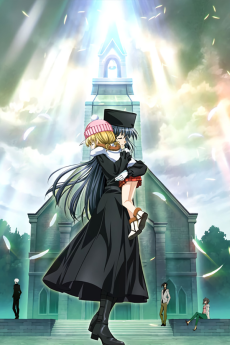
ef ~ A Tale of Melodies
In a story set years in the past, Himura Yuu is a studious and diligent young man intent solely on maintaining his top academic position at Otowa Academy. One day, he meets a mysterious girl named Amamiya Yuuko, who, to his surprise, recognizes him. Memories of a distant childhood, memories rather left forgotten...meeting Yuuko again will force Yuu to confront the regrets and sorrows of their collective pasts and presents.
In the present, Kuze Shuuichi may seem like a womanizer, but upon closer inspection, is a man who would rather be left alone. Hayama Mizuki, however, is not the type of girl who would let him be, especially after hearing the beautiful sounds of his violin performance. As Mizuki attempts to become closer to him, Kuze attempts to push her away—the tale of their budding relationship is darkened with undertones of an imminent tragedy.
📺Anime Details
📝Editorial Analysis
Rain falls on Otowa Academy’s empty courtyard, steady and silver, blurring the edges of the school gate where Himura Yuu stands motionless—backpack tight against his spine, breath shallow, eyes fixed on a spot just beyond the pavement. Not at anyone. At nothing. And yet everything: the echo of a girl’s voice calling his name from years ago, the weight of a memory he’s buried so deep it’s calcified into silence. That pause—before he turns, before he sees Amamiya Yuuko again—is where ef ~ A Tale of Melodies lives. Not in exposition, not in spectacle, but in the suspended second where grief hasn’t yet taken shape as words.
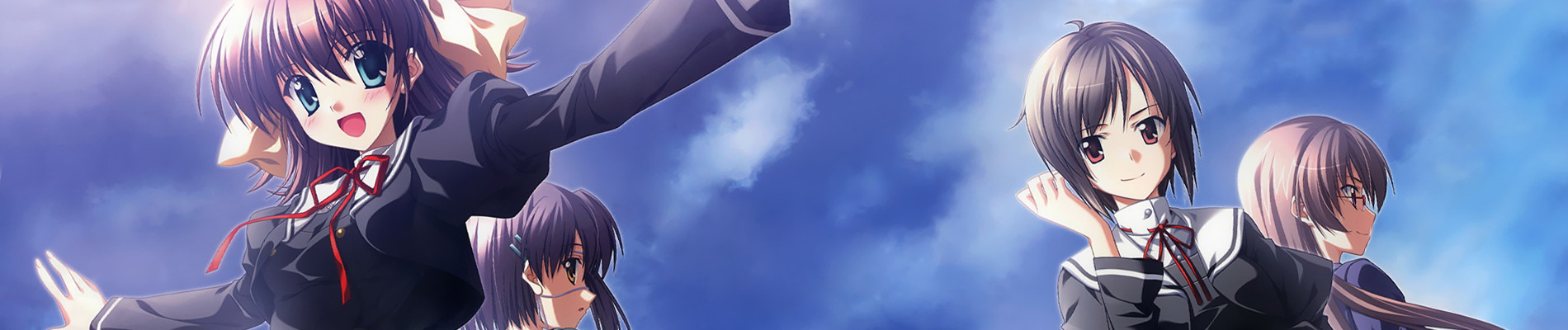
This isn’t melancholy dressed up as aesthetics. It’s the thickness of time—the way a hallway smells faintly of old paper and damp concrete long after class ends; how a pencil line trembles under pressure when someone draws not to create, but to hold on; how silence between two people can carry the full weight of what was never said, or worse—what was, and then shattered. The show doesn’t shout tragedy. It lets it pool—in the hollow behind Yuu’s collarbone, in the way Yuuko’s fingers hover over a half-finished sketch, in the ghost that isn’t spectral light or floating hair, but the absence that walks beside them, breathing the same air. You don’t feel sad for them. You feel the slow, quiet unspooling of your own held breath. It makes you think about how memory isn’t a record—it’s a wound that scabs over unevenly, and sometimes, years later, rain washes the crust away.
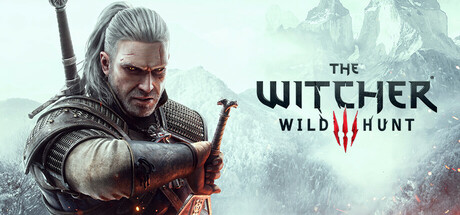
That same emotional DNA pulses in The Witcher 3: Wild Hunt, not because of monsters or maps, but because of its emotional narrative dimension—and the player review that says: “DLC announced 11 years after release, my favourite game keeps getting better…” That’s not nostalgia. That’s durability of feeling: the way Geralt’s search for Ciri mirrors Yuu’s return to a past he thought sealed—both journeys haunted by consequences that refuse to stay buried. The continent is war-torn, yes—but so is Yuu’s interior landscape. Both demand you sit with ambiguity, with choices made in fog, with love that persists despite damage, not because it erases it.
Then there’s Tank Universal, whose description calls it an “action FPS tank wargame inspired by Tron and Battlezone”—a jarring contrast to ef’s stillness—yet the player review reveals the real link: “Play cool tank game with dad when you were 6. Love the cool sound effects, and the colors. time goes on; loose access to game. Grew up dad passes away…” Here, it’s not the tanks—it’s the layered time. The childhood joy, the adult loss, the sensory flash (sound, color) that triggers a grief too tender to name directly. Like ef, Tank Universal doesn’t dramatize the rupture—it holds space for the silence after the engine cuts out, the way Yuuko’s sketches hold space for what words can’t.
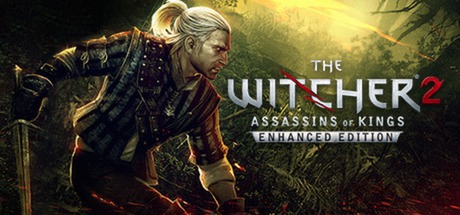
And The Witcher 2: Assassins of Kings Enhanced Edition, described as a world where “armies on the march are not enough to stop a b…”—that trailing “b” feels like ef’s own ellipsis, the sentence left unfinished because some truths are too heavy to articulate. The player review notes it “feels more thoughtfully designed than the next entry”—a testament to restraint, to implication over exposition. Just as ef trusts you to feel Yuu’s guilt without spelling out every transgression, Witcher 2 trusts you to understand political rot through a glance, a withheld hand, a treaty signed in candlelight that casts no warmth.
Who would love this pairing? Someone who cries not at funerals, but at the sight of a worn-out pencil sharpener left on a desk. Someone who replays a single line of dialogue—not because it’s clever, but because it hurts right. Someone who saves a screenshot of a sunset in a game not for beauty, but because it reminds them of the exact shade of light in their grandmother’s kitchen window the last summer she was well. They don’t seek catharsis. They seek recognition—that flicker of yes, this is how sorrow lives in the bones, not the tears. They know healing isn’t linear. It’s a sketchbook filled with half-erased pages, a tank’s engine humming low in the dark, a witcher walking toward a horizon he knows won’t offer answers—just the next step, and the next, and the quiet, stubborn act of continuing.
🎮19 Games That Match the Vibe


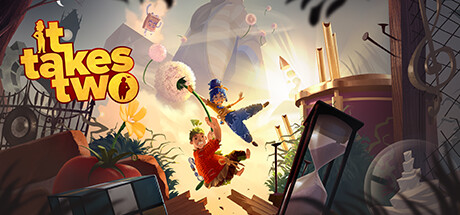
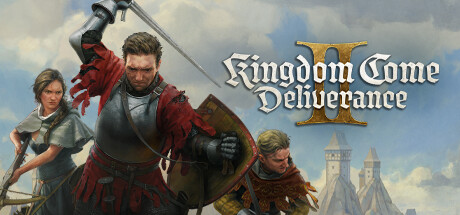
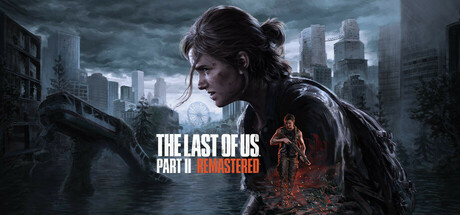
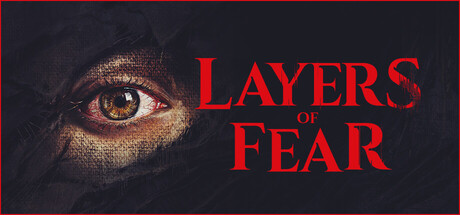
Match Dimensions Explained
❓Frequently Asked Questions
Why is The Witcher 3 listed as similar to ef ~ A Tale of Melodies when one’s about monster hunting and the other’s a melancholy romance?
Great question — it’s all about that shared 'Emotional Narrative' and 'Adult & Dark Seinen' vibe. Like ef’s quiet heartbreak in the piano scene with Mizuki or the rain-soaked goodbye at the train station, Geralt’s search for Ciri carries that same aching, bittersweet weight — especially in the 'Hearts of Stone' DLC where choices fracture relationships just like ef’s branching emotional consequences. Both trust silence, atmosphere, and morally grey intimacy over action.
Is there an anime or visual novel adaptation of ef ~ A Tale of Melodies that’s officially licensed?
No official anime or visual novel adaptation exists — ef ~ A Tale of Melodies *is* the visual novel (the sequel to ef ~ The First Tale), and its 2009 anime adaptation was produced by Brain's Base but isn’t a remake or reimagining — it condenses the story, skipping key moments like the hospital confession arc with Hiro and Kei. That said, fans often compare its tonal restraint to Jade Empire’s moral duality: both ask you to choose between compassion and duty, not with swords or spells, but with glances and unsaid words.
How does Tank Universal compare to ef ~ A Tale of Melodies in terms of emotional storytelling?
At first glance? Wildly different — one’s neon tank combat in a Tron-esque void, the other’s soft-spoken high school farewells. But dig into the player review: that memory of playing Tank Universal with his dad at age 6, then losing access, then grieving his father years later? That raw, personal layer of loss and nostalgia mirrors ef’s core — like Renji’s fragmented memories of the lighthouse or the way sound design (ef’s piano motifs, Tank’s 'cool sound effects') becomes emotional scaffolding. Both use sensory detail to anchor deep feeling.
What’s the best game like ef ~ A Tale of Melodies if I want something deeply introspective and quietly devastating, not action-heavy?
Go straight to Jade Empire™: Special Edition — it’s the only match with a non-fantasy-but-still-mythic emotional register, where your martial arts path (Open Palm vs. Closed Fist) echoes ef’s quiet moral forks: do you comfort Hiro even if it breaks Kei’s heart? Like ef’s Mizuki choosing between memory and presence, Jade Empire forces you to weigh mercy against justice in conversations that land like whispered confessions — and that Reddit-install struggle to even launch it? Feels weirdly fitting for a game about fragile, hard-won connection.