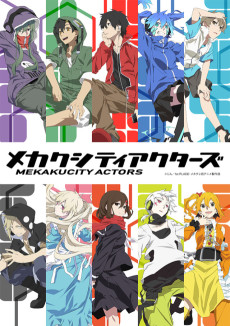
Mekakucity Actors
The incidents which occurred on August 14th and 15th bring a group of young boys and girls together… They are members of a group they call themselves the “Mekakushi Dan” (Blindfold Organization) and each member possesses a strange power involving their eyes. Will the members of this peculiar organization be able to solve the mysteries behind these incidents and see the truth?
(Source: Aniplex USA)
A story based on the new popular series of songs by Jin (Shizen no Teki-P) titled "Kagerou Project".
📺Anime Details
📝Editorial Analysis
The static hum of a city at dusk—streetlights flickering on one by one, cicadas buzzing like frayed wires, a half-unwrapped candy wrapper caught in the breeze outside a shuttered convenience store. That’s where it begins: not with a bang, but with stillness, thick and humming with unspoken grief. A boy stands alone on a rooftop, fingers tracing the edge of a worn blindfold. His eyes are closed—not from fear, but because seeing too much has already broken him once. This isn’t just atmosphere; it’s weight. The air in Mekakucity Actors doesn’t breathe—it holds its breath.

What makes it ache so deeply isn’t the superpowers or time loops, but how tenderly it treats fragility. Every glance exchanged between members of the Mekakushi Dan carries the quiet terror of connection after loss—how do you trust someone when your own memories fray at the edges? How do you laugh when August 14th and 15th keep folding back into each other like origami soaked in rain? It’s urban fantasy not because of neon-lit spirits, but because Tokyo itself feels sentient—its alleyways remember suicides, its vending machines dispense nostalgia like currency, and every train platform echoes with what wasn’t said. This is tragedy wrapped in sun-bleached pastels, where healing isn’t linear—it’s a stutter, a rewind, a shared glance that lands like a lifeline.
That emotional DNA pulses strongest in Jade Empire™: Special Edition, where the player steps into a world where philosophy is combat—and every choice between open palm and closed fist reverberates through relationships that feel startlingly real. Like the Mekakushi Dan, the protagonist here doesn’t wield power to dominate, but to witness: to see truth behind illusions, to hold space for others’ pain without fixing it. The player review mentions needing Reddit instructions to launch—ironic, because both Mekakucity Actors and Jade Empire demand you lean in, troubleshoot, care enough to make it work. They’re not polished—they’re lived-in, their narratives unfolding like whispered confessions between friends who’ve buried too much together.
Then there’s Dragon Age: Origins, where legacy isn’t carved in stone but stitched together in taverns, war camps, and whispered confessions before battle. Its description asks: What will be said about the hero who turned the tide? That question haunts Mekakucity Actors too—not about saving the world, but about whether anyone will remember who you were before the incident. The player review notes the pause-attack mechanic “help[s] a lot to strategize your tactic”—and yes, the game gives control. But what resonates deeper is how both works treat trauma as tactical terrain: you don’t rush the boss fight; you sit with Alistair’s jokes until his voice cracks, just as the Mekakushi Dan lingers over tea until Kido finally stops rehearsing his apology. Strategy isn’t just combat—it’s choosing when to look someone in the eye.
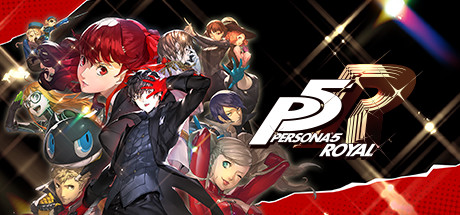
And Persona 5 Royal, with its “seamless transition between daily life” and “stunning soundtrack,” mirrors the anime’s rhythm of mundane beauty punctuated by seismic emotional rupture. The Phantom Thieves don’t break into palaces to steal treasure—they steal change, often from people who’ve stopped believing they deserve it. So do the Mekakushi Dan: their powers aren’t flashy—they’re acts of radical attention. A glance that undoes paralysis. A stare that rewrites memory. The player review celebrates the soundtrack—but what ties it to Mekakucity Actors is how both use music not as background, but as pulse: the bassline drops right as a character finally says “I’m scared,” and the city holds still, just like that rooftop moment.
This pairing isn’t for fans of “cool powers” or “epic battles.” It’s for the person who rewatches the same five minutes of an anime because of how a character blinks—too slowly, like they’re afraid light might shatter them. It’s for the player who saves before every dialogue choice, not out of fear of failure, but reverence for how much meaning hangs in a single sentence. It’s for those who know grief wears sneakers and eats convenience-store rice balls, who understand that found family isn’t built in grand declarations—it’s forged in the quiet, stubborn act of showing up, blindfolded, again and again.
🎮9 Games That Match the Vibe

Match Dimensions Explained
❓Frequently Asked Questions
Why does Persona 5 Royal keep coming up in 'Games Like Mekakucity Actors' lists?
Because both lean hard into emotional, character-driven storytelling where identity, perception, and rebellion against oppressive systems are central—like when Ren Amamiya confronts the distorted reality of a corrupt politician’s Palace, mirroring how Mekakucity’s characters grapple with hidden truths and fractured memories. The daily life/dungeon rhythm (attending school by day, infiltrating Palaces by night) echoes Mekakucity’s blend of mundane routines and surreal, high-stakes psychological stakes.
Is there a visual novel or anime adaptation of Jade Empire that captures Mekakucity Actors’ vibe?
No—Jade Empire has never been adapted into an anime or visual novel, and its tone is more mythic wuxia than Mekakucity’s modern, internet-age psychological mystery. That said, fans drawn to Mekakucity’s emotional narrative depth *do* connect with Jade Empire’s ‘open palm vs. closed fist’ moral choices—like choosing compassion over vengeance during the Spirit Monk trials, which resonates with Kido’s arc about control vs. trust.
How does Dragon Age: Origins compare to Persona 5 Royal for someone who loves Mekakucity Actors’ group dynamics and emotional weight?
Dragon Age: Origins gives you deeper party loyalty quests with morally grey consequences—like Morrigan’s ritual choice or Alistair’s kingship dilemma—whereas Persona 5 Royal layers bonds through calendar-based Social Links (e.g., building Ann’s confidence before her Velvet Room confrontation). Both deliver JRPG Narrative + Emotional Narrative, but DAO leans into tragic, grounded stakes; P5R mirrors Mekakucity’s stylized, symbolic catharsis—think Futaba’s hacking montage vs. Leliana’s spymaster flashbacks.
What’s the best game like Mekakucity Actors if I want that intense, late-night, emotionally raw vibe with tight friend-group chemistry?
Persona 5 Royal—it nails that specific mood: rainy Tokyo nights, confessional confessions in Shibuya alleys, and the Phantom Thieves’ found-family banter (like Ryuji cracking jokes mid-heist then quietly handing you a healing item). The pause-and-plan combat even mimics Mekakucity’s ‘tense stillness before revelation’ moments—like freezing time before a critical Confidant scene or a Palace boss fight, where every decision feels intimate and irreversible.