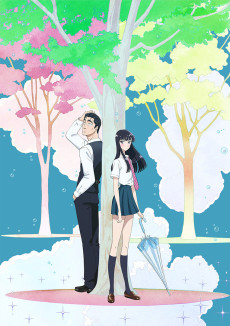
After the Rain
Akira Tachibana was once the ace of a track club, but an injury forced her to quell her passion for sports. Masami Kondou, a divorced father, had ambitions of being a writer and now manages a restaurant, where Akira works. It is the intersection of Akira and Masami’s seemingly disconnected lives that makes each of them reconsider and redefine everything about themselves.
(Source: Sentai Filmworks)
📺Anime Details
📝Editorial Analysis
The steam rises off a bowl of miso soup—just so—curling in the quiet hush before lunch service begins. Akira stands at the counter of Kondou’s, wiping the same spot on the wood grain for thirty seconds, her gaze fixed not on the grain but through it. Her fingers are still calloused from track, but her legs won’t hold a sprint anymore. Masami leans against the kitchen doorframe, reading a crumpled page he’ll rewrite three times before dinner. Neither speaks. The silence isn’t empty—it’s thick, weighted with all the things they haven’t said, all the selves they’ve shelved.

That silence is the heart of After the Rain. Not melancholy, exactly—not despair—but something quieter and more stubborn: reclamation. It’s the feeling of standing still while your insides rearrange themselves. You don’t watch this anime to escape; you watch it to remember how it feels to be in transition, not as a plot device, but as a full-body hum—the ache in your knee after stairs, the weight of a parent’s unread manuscript on your desk, the way sunlight hits a laminated menu just right and makes you pause, just for breath. It’s urban, yes, but never hurried; it’s adult, but never cynical. There’s no grand villain, no ticking clock—just two people learning how to inhabit time again, slowly, tenderly, imperfectly.
Which is why The Witcher 3: Wild Hunt, despite its dragons and war-torn continents, shares its emotional DNA—not in setting, but in resonance. Its description calls it “a war-torn, monster-infested continent you can explore at will,” and that word—will—is key. Like Akira choosing to stay at the restaurant instead of vanishing into rehab or resignation, Geralt chooses how to move through consequence. The player review says, “DLC announced 11 years after release, my favourite game keeps getting better…”—that’s the same devotion Akira gives to folding napkins just so, or Masami giving to rewriting a single paragraph until its rhythm matches his breath. Both are about continuity, not climax. The emotional narrative isn’t in saving the world—it’s in the thousand small acts of showing up, even when you’re unsure why.
Then there’s Tank Universal, a game whose description reads like pure kinetic contrast—“action FPS tank wargame inspired by Tron and Battlezone”—yet the player review cracks it wide open: “Play cool tank game with dad when you were 6… time goes on; loose access to game. Grew up dad passes away…” That line—“time goes on; loose access to game”—is pure After the Rain syntax. Not tragedy as spectacle, but as erosion: the slow, unremarkable slipping of presence, the way love persists after access ends. Akira doesn’t chase Masami like a quest log item—she notices how he holds his coffee cup, how he pauses mid-sentence when his son calls. That same granularity lives in that review’s quiet grief—not shouted, not scored, just there, like steam rising off miso soup.
And Jade Empire™: Special Edition, with its duality of “open palm or closed fist,” mirrors Akira’s own quiet recalibration—not between good and evil, but between what was expected (ace runner, obedient daughter) and what fits now (waitress, listener, someone who chooses her own pace). Its description frames choice as philosophy, not morality—and that’s where it meets After the Rain: both understand that growing up isn’t about picking a side, but learning how to hold contradiction without breaking. The player review’s technical frustration—“had to follow these instructions I got from Reddit…”—even echoes the anime’s texture: life isn’t polished. It’s patchwork. It asks for patience, not perfection.
This pairing isn’t for the seeker of catharsis or spectacle. It’s for the person who’s ever sat in a nearly empty restaurant at 2:47 p.m., watching dust motes drift in a sunbeam, thinking I’m not broken—I’m just waiting for the next thing to make sense. It’s for the one who replays a quiet conversation in their head three times, not because it was dramatic, but because it mattered. For the reader who underlines sentences not for plot, but for the weight behind them—the ones who know that rehabilitation isn’t just physical, and coming of age doesn’t end at eighteen. It’s for anyone who’s loved someone quietly, fiercely, and without guarantee—and kept showing up anyway.
🎮19 Games That Match the Vibe


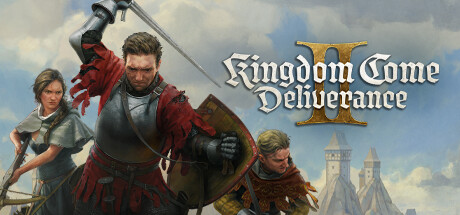
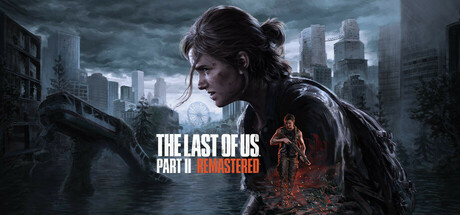
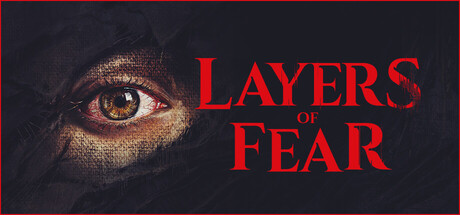
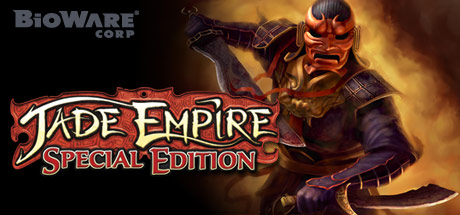
Match Dimensions Explained
❓Frequently Asked Questions
Why does The Witcher 3 keep showing up in 'games like After the Rain' lists?
Because both lean hard into emotionally layered, morally grey storytelling with adult themes and quiet, melancholic character moments — like Geralt’s tender, wordless scenes with Ciri at the end of Blood and Wine, or the way The Witcher 3 makes you sit with consequences long after a choice is made. It’s not just the dark seinen tone; it’s how deeply it treats grief, legacy, and found family — just like After the Rain’s core vibe.
Is there an anime or movie adaptation of After the Rain?
No — and that’s why fans often reach for games like The Witcher 2: Assassins of Kings Enhanced Edition instead. Its tightly written political intrigue, morally fraught decisions (like choosing between Roche and Iorveth), and slow-burn emotional weight — especially in scenes like the siege of Vergen — fill that same niche: mature, grounded, and achingly human storytelling without needing an adaptation.
How does Jade Empire compare to The Witcher 3 for emotional narrative?
Jade Empire trades Geralt’s gritty Northern Kingdoms for a mythic, wuxia-inspired world where your choices literally reshape your martial path — open palm or closed fist — and affect relationships like your bond with Master Li or the tragic arc of Dawn Star. While The Witcher 3 scores higher (72 vs. 66) and leans darker, Jade Empire matches its emotional sincerity through quieter, more intimate character beats and philosophical stakes.
What’s the best game like After the Rain if I want something bittersweet but hopeful, not grimdark?
Go for The Witcher: Enhanced Edition Director's Cut — especially if you loved After the Rain’s gentle pacing and understated romance. Its early-game tavern scenes with Yennefer, the quiet tension before the Kaedweni camp decision, and even the combat’s deliberate rhythm (‘Combat is definitely not flashy, but meaningful’) create that same tender, reflective mood — less war-torn despair, more human warmth flickering in the shadows.