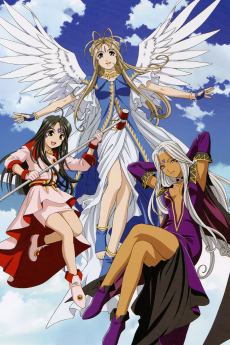
Oh! My Goddess (TV)
Keiichi Morisato is looking forward to university life. But in reality, he has no luck in anything, and he has trouble with clubs, love, etc. The truth is that he has an unlucky star above his head. One day, Keiichi is stuck watching the dorm while his sempai are away, and has a mountain of chores to do to boot. But Keiichi is a good-natured person, and is set about doing his duties. As he is about to finish his final chore, he makes a phone call to his sempai. But the words that came through the receiver are, 'Goddess Help Line.' Shortly afterwards, a beautiful goddess named Belldandy appears in front of him from the mirror of his room.
📺Anime Details
📝Editorial Analysis
The phone rings—just once—in Keiichi’s dorm room, late afternoon light slanting across dusty floorboards and half-folded laundry. He picks up, breathless from scrubbing toilets and vacuuming cobwebs, and says, half-joking, half-desperate: “I wish for a goddess to be with me.” The line goes silent—not dead air, but charged, like the hush before rain hits pavement. Then Belldandy’s voice, calm and luminous, answers: “I am yours.” Not as a punchline. Not as a trick. As a quiet, irreversible turning point—where mundane exhaustion cracks open just enough for something sacred to step through.


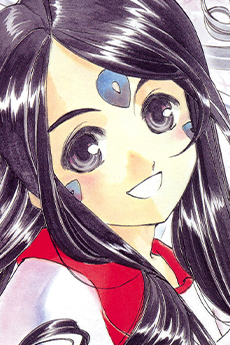
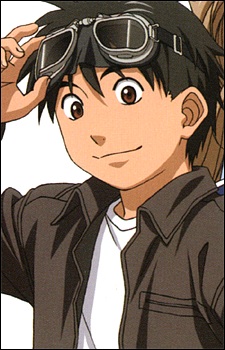

That moment isn’t magic as spectacle. It’s magic as relief. Oh! My Goddess (TV) doesn’t thrill with cataclysm or dazzle with divine pyrotechnics—it settles into the warm, slightly rumpled texture of ordinary life after grace arrives. You feel the weight lift—not because problems vanish, but because Keiichi’s loneliness, his quiet shame about being “unlucky,” is met not with judgment or grand rescue, but with presence. Belldandy doesn’t fix his club failures; she folds his laundry with him. She doesn’t erase his insecurities; she listens while he stammers about them over instant ramen. The atmosphere is soft focus, emotionally precise: tender without saccharine, serene without stillness, grounded in college hallways and shrine gardens and the hum of a shared apartment fridge. It asks you to notice how kindness becomes ritual, how devotion lives in small, repeated acts—making tea, remembering a favorite snack, holding space when words fail.
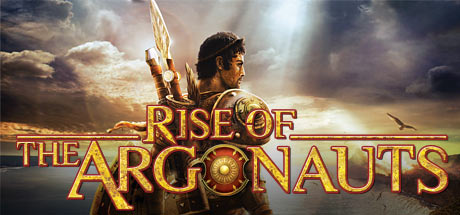
That emotional DNA—the reverence for quiet constancy, the sacredness of everyday care—echoes in games that treat myth not as distant legend, but as intimate, embodied choice. Rise of the Argonauts, for instance, centers Jason’s vow to restore his murdered fiancé—not through abstract power, but through pilgrimage, sacrifice, and the slow, painful labor of rebuilding meaning after loss. Its player review calls it “right” for lovers of ancient history—but what it gets emotionally right is the same thing Oh! My Goddess (TV) does: myth as personal covenant. Jason doesn’t wield gods like weapons; he negotiates with them, bargains, grieves, and keeps showing up, day after day, on a ship that creaks and leaks. Like Keiichi scrubbing floors before his wish, Jason’s heroism is in the grind—not the glory.
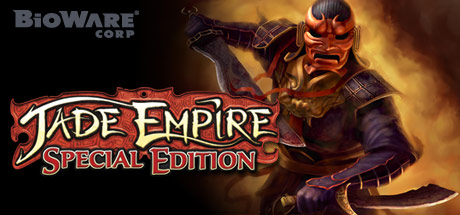
Then there’s Jade Empire™: Special Edition, where you step into the role of a martial-arts master navigating paths of open palm or closed fist. Its description frames philosophy as physical practice—ethics made flesh through stance, strike, and restraint. A player’s Reddit-tinkered launch—copying “steam.dll” just to begin—mirrors Keiichi’s own fumbling entry into the divine: no flawless initiation, just earnest effort, minor technical hiccups, and the stubborn will to try. Both the anime and the game root transcendence in discipline: Belldandy’s spells bloom from focused compassion; the Jade Empire’s chi flows from breath control and moral alignment. Neither offers easy ascension—they demand practice, repetition, humility. That shared rhythm—the way reverence is rehearsed, not declared—is unmistakable.
Who feels this resonance most deeply? Not teenagers chasing power fantasies, but adults who’ve folded laundry at midnight after a bad day, who’ve held a friend’s hand in silence, who understand that love isn’t always fireworks—it’s showing up, again and again, with tea, with patience, with the quiet certainty that someone sees you, even when you’re covered in dust and doubt. They’re the ones who’ll pause mid-gameplay in Rise of the Argonauts not for the next boss, but to watch Jason kneel at a roadside shrine, head bowed—not in prayer to win, but to remember. They’re the ones who’ll replay Jade Empire’s training sequences not for combos, but for the weight of the master’s hand on their shoulder, steady as Belldandy’s hand on Keiichi’s. These pairings speak to people who know holiness isn’t found only in cathedrals or mountaintops—but in the warmth of a shared meal, the stillness of mutual understanding, the courage to say, simply, “I’m here.”
🎮6 Games That Match the Vibe
Match Dimensions Explained
❓Frequently Asked Questions
Why does Rise of the Argonauts keep coming up in 'Games Like Oh! My Goddess (TV)' lists?
Because both hinge on a deeply personal, emotionally charged quest driven by love and loss—Jason’s vow to resurrect his murdered fiancée mirrors Keiichi’s desperate, heartfelt efforts to keep Belldandy close after their fateful contract. The mythic tone, divine intervention (like Hera guiding Jason), and romantic stakes all echo the show’s blend of celestial bureaucracy and tender relationship drama.
Is there a video game adaptation of Oh! My Goddess (TV)?
No—there’s never been an official Oh! My Goddess video game adaptation, despite decades of manga and anime releases. Fans often turn to spiritually adjacent titles like Rise of the Argonauts (84 score), where you play as Jason navigating gods, fate, and devotion—much like Keiichi negotiating with heavenly realms—but it’s not a licensed tie-in.
Rise of the Argonauts vs. Jade Empire: which feels more like Oh! My Goddess tonally?
Rise of the Argonauts wins for Oh! My Goddess vibes—it leans into earnest romance, divine whimsy, and high-stakes emotional choices (e.g., bargaining with gods to undo tragedy), whereas Jade Empire is grittier, more morally ambiguous, and focused on martial-arts mastery and faction politics. Neither has Belldandy’s gentle warmth, but Jason’s grief-stricken idealism hits closer to Keiichi’s sincerity than Jade Empire’s ‘open palm vs. closed fist’ duality.
What’s the best game like Oh! My Goddess if I just want that cozy, hopeful, slightly divine romance vibe?
Rise of the Argonauts is your best bet—it’s got the warm-but-weighty tone, a hero defined by loyalty and love (not combat prowess alone), and moments where divine beings intervene in surprisingly tender ways, like Hera offering cryptic but caring guidance. It won’t give you Belldandy’s tea-making or Skuld’s gadget fails, but its heart-first storytelling and mythic intimacy are the closest match we’ve got.