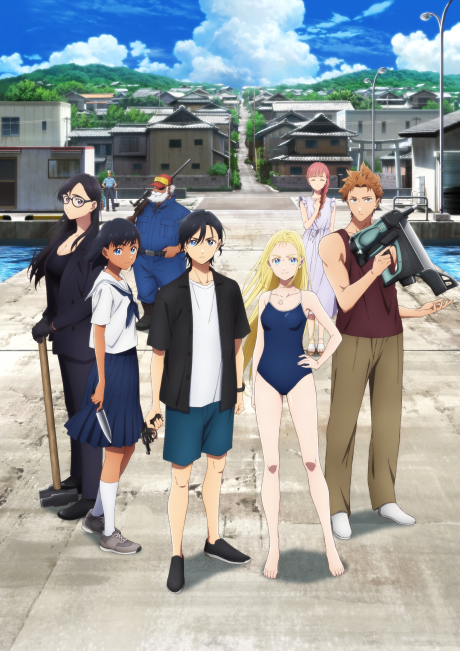
Summer Time Rendering
A sci-fi, summer story filled with suspense set on a small island with Shinpei Aijiro, whose childhood friend Ushio Kofune died. He returns to his hometown for the first time in two years for the funeral. Sou Hishigata, his best friend, suspects something's off with Ushio's death, and that someone can die next.
A sinister omen is heard as an entire family next door suddenly disappears the following day. Furthermore, Mio implicates a "shadow" three days before Ushio's death.
(Source: Disney+)
📺Anime Details
📝Editorial Analysis
The salt hangs thick in the air—not just as scent, but as weight. You feel it on your tongue when Shinpei stands barefoot on the dock at Hoshishima, staring at the water where Ushio’s body was found. His knuckles are white around the funeral wreath. A cicada shrieks—then cuts off mid-note. The silence after isn’t empty. It’s charged, like the second before lightning splits the sky. That’s the first breath of Summer Time Renderer: grief that hasn’t settled yet, because the ground beneath it is already cracking.
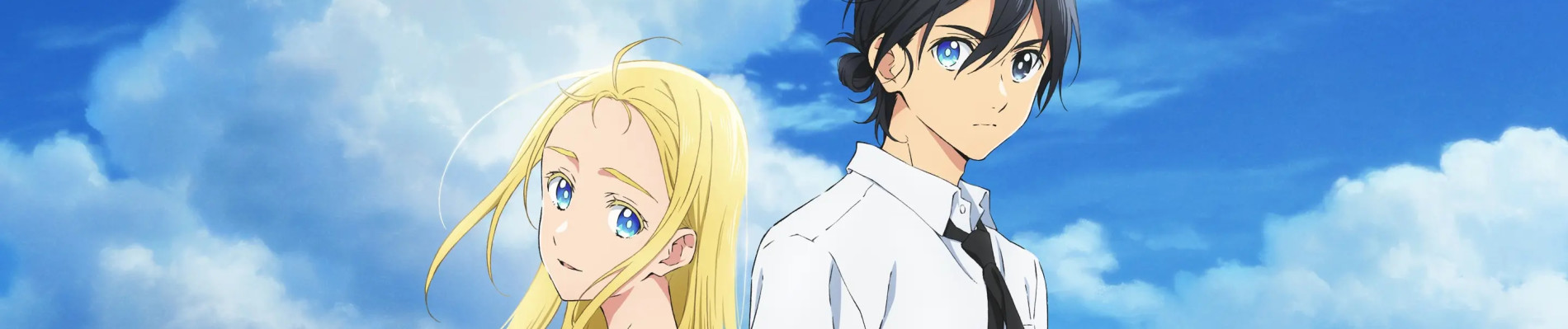
What makes this anime vibrate so differently isn’t its time loops or shadows—it’s how deeply it roots dread in the familiar. This isn’t urban alienation or cosmic horror. It’s the terror of recognizing your childhood street—and realizing the mailbox you passed every day hides a seam in reality. The coastal setting isn’t backdrop; it’s texture: damp concrete stairs slick with morning mist, the groan of fishing boats at dawn, the way sunlight fractures across harbor water just before something unspeakable happens. You don’t just watch Shinpei unravel a mystery—you feel the island breathe against your skin, humid and ancient, humming with myth that refuses to stay buried. It makes you think about memory not as record, but as wound—one that reopens every time the clock resets, every time Mio whispers “three days before,” every time Sou’s voice cracks trying to sound steady.
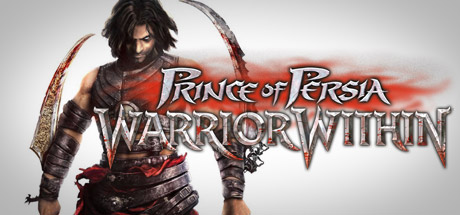
That emotional DNA—haunted intimacy, where safety and threat share the same porch swing—echoes in surprising places. Take Prince of Persia: Warrior Within. Its description names “Time & Memory” and “Dark Fantasy”—and the player review nails the visceral persistence of trauma: “Dahaka chase is still as goated as it was before.” That relentless, physical pursuit mirrors how Summer Time Renderer weaponizes recurrence: time isn’t abstract math here—it’s Dahaka’s footsteps echoing down narrow island alleys, the same scream looping from the same window, the same tidal rhythm pulling Shinpei back toward loss. Both make time feel muscular, dangerous, impossible to outrun—even when you know the turns.
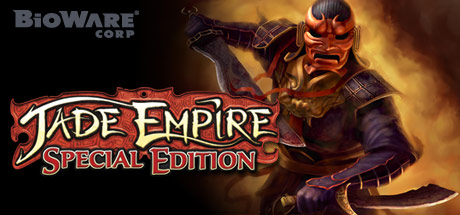
Then there’s Jade Empire™: Special Edition, tagged with “Mythology & Folklore” and “Emotional Narrative.” Its description invites you to “follow the path of the open palm or the closed fist”—a duality that lives in Summer Time Renderer’s bones. Ushio’s death isn’t just tragedy; it’s the first thread pulled from a tapestry woven with local shrine rituals, drowned gods, and generational bargains. Like the martial arts master in Jade Empire choosing between philosophies etched into flesh and spirit, Shinpei doesn’t just fight shadows—he wrestles with what loyalty means when ancestors whisper from coral reefs and every fisherman’s tale holds teeth. The player review’s frustration with technical setup (“copy and paste steam.dll”) ironically echoes the anime’s own layered, almost archival density—myth isn’t exposition; it’s something you have to unlock, piece by piece, through lived consequence.
And yes—even Stardew Valley, with its low score and description of inheriting “your grandfather’s old farm plot,” resonates. Not in pace, but in emotional gravity. The player review confesses: “Spent the first 2 years trying to do everything and never having enough time.” That frantic, tender exhaustion—trying to nurture life while haunted by absence—is Shinpei’s heartbeat. Planting crops at Pelican Town isn’t escapism; it’s ritual. Tending to a sick animal, repairing a broken fence, watching the seasons turn without Ushio beside you—that’s how grief gets tended, not solved. The island’s rhythms and Stardew’s cycles both insist: healing isn’t linear. It’s showing up, again and again, even when the soil feels like ash.
This pairing isn’t for people who want tidy answers or power fantasies. It’s for the ones who’ve ever stood at a graveside listening to waves and wondered if the sea remembers names. For the reader who underlines passages about tide pools in myth textbooks, then walks home slower just to feel pavement under their shoes. For the player who pauses mid-combat in Warrior Within not to dodge—but to watch dust motes catch light in a ruined temple hallway. They’re drawn to stories where memory has weight, where folklore isn’t costume but current, where the most terrifying monster wears your neighbor’s face—and the bravest thing you can do is water the damn flowers, even if your hands shake.
🎮10 Games That Match the Vibe


Match Dimensions Explained
❓Frequently Asked Questions
Why is Prince of Persia: Warrior Within recommended for Summer Time Rendering fans?
Because both dive deep into time manipulation with high personal stakes—like STY’s Meme and the Chrono Stone, Warrior Within’s Prince battles the Dahaka across fractured timelines, especially during those heart-pounding rooftop chases where time rewinds mid-fall. The dark fantasy tone, morally grey choices, and constant tension between fate and free will (think Ushio’s sacrifice vs. the Prince’s defiance of destiny) hit the same emotional and thematic notes.
Is there a Summer Time Rendering anime adaptation of Prince of Persia: Warrior Within?
No—there’s no anime adaptation of Warrior Within at all, let alone one tied to Summer Time Rendering. STY *has* its own acclaimed 50-episode anime (2022–2024), but Warrior Within remains a standalone game—though fans often compare its Dahaka chase sequences to STY’s ‘loop’ tension, like when Renbou pursues Shinpei through collapsing ruins.
How does Jade Empire compare to Summer Time Rendering in terms of story depth and character arcs?
Both prioritize emotionally layered narratives rooted in mythology—but Jade Empire leans into Eastern folklore and martial-arts philosophy (e.g., your master Sun Hai’s betrayal mirrors STY’s Meme’s tragic duality), while STY weaves sci-fi time mechanics into its emotional core. Player reviews even call out Jade Empire’s 'open palm vs. closed fist' moral system as feeling as consequential as choosing who lives or dies in STY’s branching loops.
What’s the best slow-life game like Summer Time Rendering if I want healing vibes *after* intense time-loop stress?
Stardew Valley is your go-to—it’s got that same grounded, seasonal rhythm and community warmth you crave post-STY marathon, like tending crops at Pelican Town while reflecting on Shinpei’s growth. Though its score is lower (54), players love how its quiet routines (watering crops, befriending villagers like Robin or Leah) offer real emotional reset—just like returning to Hoshino Island’s beach after a brutal loop battle.