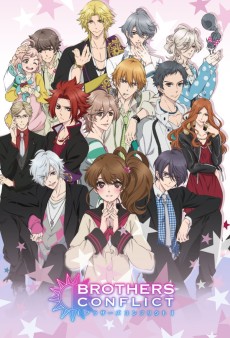
Brothers Conflict
📺Anime Details
📝Editorial Analysis
The first time Asuka leans against the kitchen counter, stirring miso soup while his twin brother Ryo watches silently from the doorway—steam curling between them like unspoken tension—that’s when it hits you: not romance as plot device, but warmth as atmosphere. Not grand confessions, but the quiet weight of shared space, of overlapping routines, of someone knowing exactly how much sugar you take in your tea before you’ve even asked. That moment isn’t about who she’ll choose. It’s about how safe it feels to be seen—constantly, intimately, sometimes inconveniently—by seven brothers who orbit her like planets bound by gravity, not contract.
What makes Brothers Conflict singular isn’t its male harem structure—it’s the domesticity. This is romance as ambient sound: the clink of chopsticks at dinner, the rustle of a borrowed hoodie left on the couch, the way Subaru hums off-key while watering plants and doesn’t stop when she walks in. There’s no battlefield, no apocalyptic deadline—just Tokyo apartments, part-time jobs, school festivals, and the low, persistent hum of belonging. It asks you to sit with the ache of being cherished too much, not too little—the kind of love that crowds your margins, softens your edges, and makes solitude feel like forgetting how to breathe. It’s tender, yes—but also restless, because tenderness without friction is just wallpaper. The age gaps, the twins’ mirrored expressions, the kuudere’s silence breaking only for her—none of it serves drama. It serves texture. You don’t watch to solve a mystery. You watch to remember what it feels like to be held, gently, by everyday life.
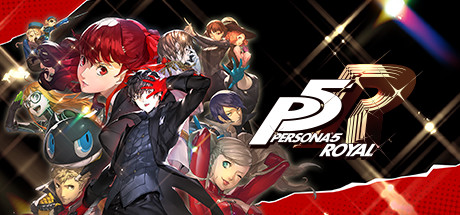
That texture echoes sharply in Persona 5 Royal, where the “seamless transition between daily life” isn’t just gameplay polish—it’s emotional architecture. You’re not just building stats; you’re choosing whether to share coffee with Ann after class or walk Makoto home past the convenience store, watching streetlights flicker on as conversation lingers. The stunning soundtrack doesn’t underscore action—it wraps around quiet moments like fog: a saxophone sigh as you lean against a Shibuya railing, watching rain blur neon signs while your party member texts you “You okay?” No grand villain looms in that exchange—just presence, persistence, the weight of being known across days, seasons, silences. Like Asuka’s miso steam, it’s warmth built from repetition, not revelation.
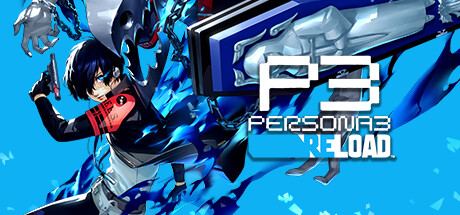
Persona 3 Reload shares that same reverence for the ordinary-as-sacred. Its rhythm isn’t combat-first—it’s the ritual: checking the weather app, buying bento at the station, hearing Yukari’s voice crack slightly when she says “Let’s go together tomorrow.” Player reviews don’t praise boss fights—they praise how the game makes you feel time passing, how relationships deepen not through cutscenes, but through showing up, again and again, in the same small spaces. That’s Brothers Conflict’s heartbeat: love measured in shared meals, not milestones. The twins aren’t differentiated by plot twists—they’re distinguished by how one folds laundry while the other leaves socks on the floor. Realism isn’t visual—it’s behavioral. And Persona 3 Reload honors that same granular truth.
Even Baldur’s Gate 3, at first glance a world away, carries this DNA—not in its dragons or dungeons, but in how deeply it treats choice as intimacy. When Astarion confesses his fear of touch, or Shadowheart hesitates before holding your hand during a campfire scene, it’s not spectacle—it’s vulnerability offered in increments, just like Ryo’s rare smile or Ukyo’s awkward gift of handmade cookies. The score’s high mark (81) for “Romance & Shoujo, JRPG Narrative” isn’t about tropes—it’s about how the game lets affection accrue in glances, pauses, the way dialogue options shift because you’ve sat beside someone three nights running. It understands that closeness isn’t declared—it’s worn in, like a favorite sweater.
This pairing isn’t for fans of “love triangles” or “epic declarations.” It’s for the person who replays the cafeteria scene in Persona 5 Royal just to hear Ryuji laugh that exact way when you tease him. For the one who saves before talking to Mitsuru—not to avoid consequences, but to savor the hesitation before she finally lowers her guard. For the viewer who rewinds Brothers Conflict not for plot clarity, but to catch the exact second Subaru’s ear twitches when she calls his name. These are stories that trust you to hold softness as narrative weight—to find the epic in a shared umbrella, the revolution in a text message sent at 2 a.m., the forever in the way someone remembers how you take your tea.
🎮6 Games That Match the Vibe


Match Dimensions Explained
❓Frequently Asked Questions
Why does Brothers Conflict match with Baldur's Gate 3 despite being so different?
Because both lean hard into 'Romance & Shoujo' *and* 'JRPG Narrative' dimensions — BG3’s deep relationship arcs (like Astarion’s morally grey confession scene or Shadowheart’s faith crisis) mirror Brothers Conflict’s emotional intimacy, and its branching dialogue + calendar-driven romance system feels like a Western-coded version of the sibling dynamic tension. It’s not about anime aesthetics — it’s about how much weight the game gives to love choices shaping your entire story.
Is there an anime or manga adaptation of Brothers Conflict?
No official anime or manga adaptation exists — just the original otome visual novel and its sequels. That’s why fans often pivot to games like Persona 5 Royal, where you get that same tight-knit, emotionally layered ensemble cast (Ann, Makoto, Futaba) and Tokyo-based daily life rhythm — plus actual romantic routes that evolve meaningfully over time, like Ryuji’s loyalty arc or Ann’s art-school confession.
How does Persona 5 Royal compare to Brothers Conflict in terms of romance pacing and sibling-like bonds?
Persona 5 Royal nails the slow-burn, trust-building romance — think Ann’s route unfolding across rainy Shibuya dates and late-night confessions at Leblanc — which mirrors Brothers Conflict’s gradual intimacy with characters like Yuya or Ryo. And while no one’s technically your brother, the Phantom Thieves’ found-family vibe (especially Morgana’s teasing-but-protective dynamic with the protagonist) hits that same warm, slightly chaotic sibling energy.
What’s the best Brothers Conflict-like game if I want stylish visuals, great music, and emotional romance without heavy combat?
Go straight to Persona 5 Royal — its jazz-funk soundtrack (that ‘Last Surprise’ elevator scene!) and sleek UI make every interaction feel cinematic, and its romance system prioritizes conversation depth and timing over stats or grinding. You’ll get heartfelt moments like Makoto’s rooftop promise or Haru’s bakery confession — zero dungeon-crawling required unless you *want* it.