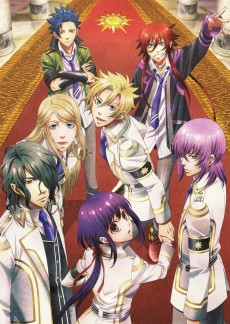
Kamigami no Asobi
The story revolves around heroine Yui Kusanagi, who is ordered by Zeus, a god and the headmaster of a school he created, to teach the meaning of love to young and handsome gods. The reason he has for doing this is to cancel the negative effects of the weakening bond between the world of the divine and the world of the humans.
(Source: Anime News Network)
📺Anime Details
📝Editorial Analysis
The chalk dust hangs in the afternoon light like suspended time—Yui Kusanagi standing before a blackboard in a sun-drenched classroom, marker in hand, while Apollo leans against a desk nearby, golden hair catching the glow, silent but watching. Zeus looms just outside the doorway—not as a thunder-wielding sovereign, but as a headmaster in a crisp suit, arms crossed, expression unreadable yet heavy with quiet urgency. No lightning cracks. No divine wrath flares. Just this: a girl trying to explain love to gods who’ve forgotten how it breathes—and a school built not of stone, but of fraying cosmic threads.
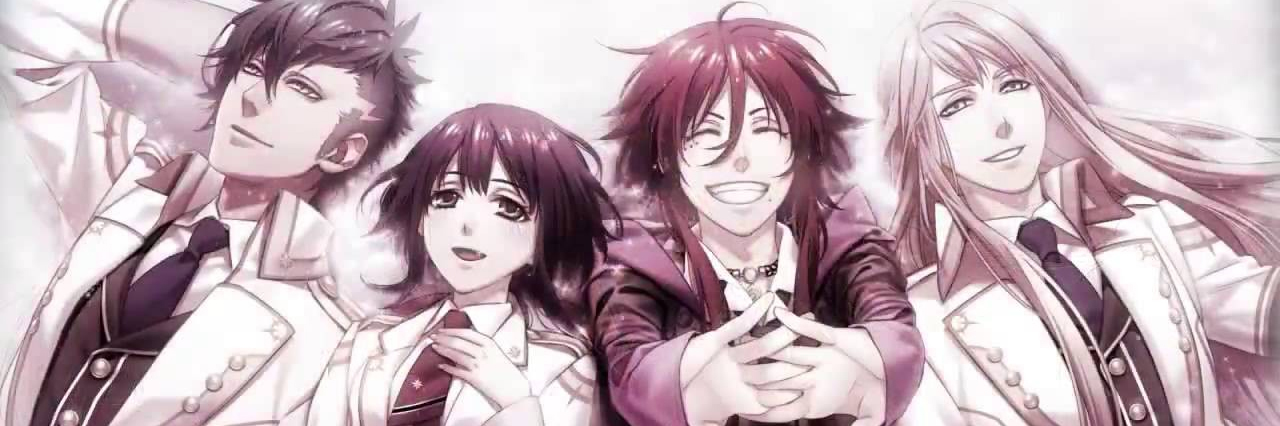
That’s the atmosphere—not spectacle, not war, not even romance as conquest—but tenderness under pressure. It’s the ache of something sacred slipping away, and the stubborn, fragile hope that meaning can be taught, not inherited. You don’t feel awe here; you feel responsibility, soft and insistent as a pulse. The gods aren’t distant idols—they’re students with unreadable eyes and unspoken wounds, their henshin transformations not flashy battles but quiet shifts in posture, voice, presence—like masks settling just a little too tightly. This isn’t about power scaling or destiny fulfilled. It’s about recognition: seeing loneliness behind arrogance, grief behind pride, and choosing to stay in the room—even when the lesson is messy, uncertain, and deeply personal.
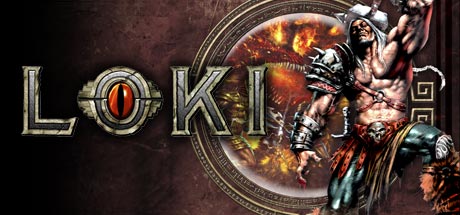
Loki, despite its action-spectacle dimension and player complaints about crashes and an anticlimactic ending, shares that same mythic weight pressing down—not as grandeur, but as burden. Its description calls it “a fantasy voyage through the great mythologies,” and like Kamigami no Asobi, it treats gods not as untouchable forces but as figures tangled in consequence, identity, and legacy. The player review laments that “nothing happens” at the end—yet that emptiness echoes Yui’s quiet classroom moments where no grand confession lands, no god suddenly understands, and still, she writes another sentence on the board. Both ask: what do you do when the myth doesn’t resolve? When the story doesn’t give you catharsis—but only the choice to keep teaching, keep walking, keep showing up?
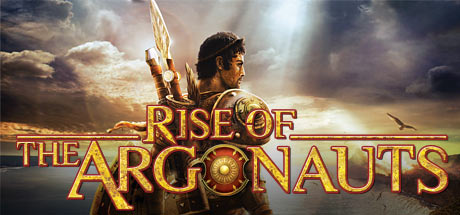
Rise of the Argonauts lands with similar emotional gravity. Its Jason isn’t chasing glory—he’s a king hollowed out by loss, clinging to myth not for wonder, but as a lifeline. The player review says it “does [ancient history] right”—but what it does right, emotionally, is mirror Kamigami no Asobi’s central tension: love as both anchor and wound, memory as both compass and chain. Yui teaches gods whose bonds with humanity are weakening; Jason seeks to restore a bond already shattered. Neither story glorifies the quest—it honors the refusal to let go, even when the logic fails, even when the gods (or the Fates) seem indifferent. That devotion—quiet, dogged, unglamorous—is the shared heartbeat.
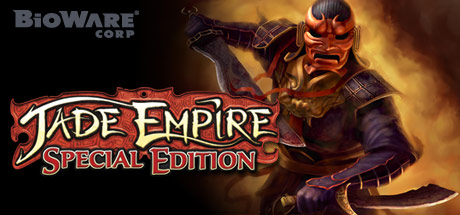
And then there’s Jade Empire™: Special Edition, where the player steps into the role of a martial-arts master navigating philosophical duality—the open palm or the closed fist. Its JRPG narrative dimension aligns with Kamigami no Asobi’s slow, deliberate unfolding of character through choice, restraint, and moral texture. The player review’s technical frustration (“had to follow these instructions…”) ironically mirrors Yui’s own struggle: beauty and meaning exist, but they demand patience, adaptation, even workaround—because the system isn’t built for tenderness. Both works treat ideology not as doctrine, but as lived practice—where every bow, every withheld word, every offered tea carries weight.
Who loves this pairing? Not just mythology fans—but people who cry at quiet gestures: the way a god hesitates before accepting a hand-me-down sweater, or how a game’s save file holds hours of unspoken care across broken patches and finicky launches. They’re the ones who reread a single line of dialogue three times because it hurts right, who replay a boss fight not for mastery, but to watch the camera linger on a character’s face after the battle ends. They don’t want gods to win—they want them to waver. They don’t need endings that tie everything up—they need spaces where love is taught, not declared; where myths aren’t recited, but relearned, one fragile, human moment at a time.
🎮15 Games That Match the Vibe
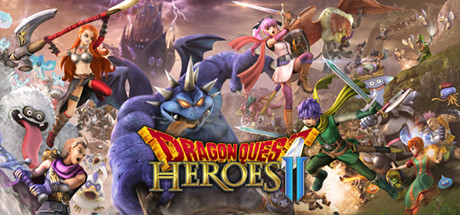
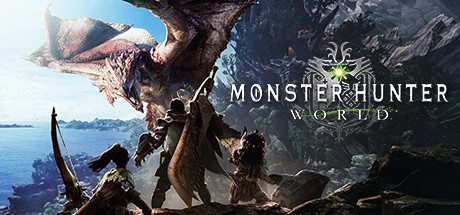
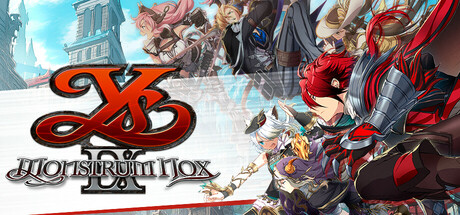
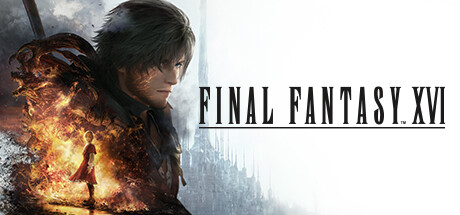

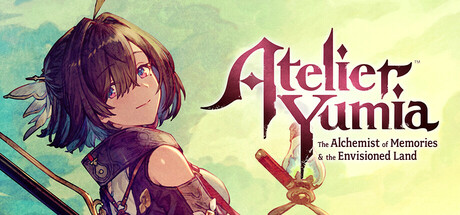
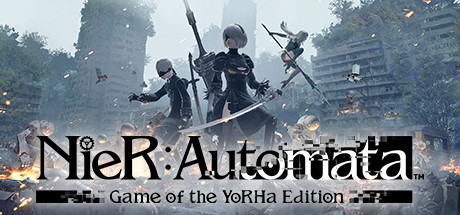
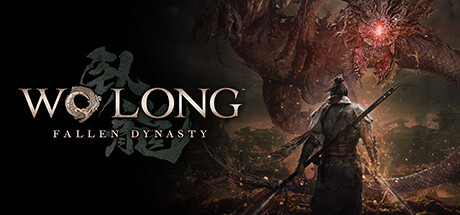
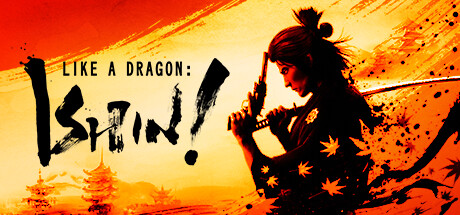
Match Dimensions Explained
❓Frequently Asked Questions
Why is Rise of the Argonauts listed as similar to Kamigami no Asobi?
Because both dive deep into mythological worlds with romantic, tragic stakes—Rise puts you in Jason’s shoes right after his fiancée’s brutal wedding-day murder, echoing Asobi’s emotional weight around divine love and loss. Like Asobi, it blends action combat with character-driven choices (e.g., how Jason interacts with Hera or Medea shapes story beats), and players consistently praise its authentic ancient-myth vibe—'If you love games based on ancient history this one does it right...' says one reviewer.
Is there an anime adaptation of Loki like there is for Kamigami no Asobi?
No—Loki has no anime adaptation, unlike Kamigami no Asobi which got a full 12-episode anime series. Loki stays strictly a game: you play as one of four myth-based heroes (like the Norse fighter) across a fantasy voyage rooted in global folklore, but it’s never been adapted. One player even notes it feels 'similar to Diablo... but filled with annoying glitches and game crashes,' confirming its identity as a buggy, unadapted action RPG.
How does Jade Empire compare to Kamigami no Asobi in terms of romance and mythology?
Jade Empire leans harder into martial-arts philosophy and moral duality (Open Palm vs. Closed Fist) than romantic routes—but its worldbuilding *is* deeply mythic, drawing from Chinese folklore, spirits, and celestial bureaucracy, much like Asobi’s Shinto-influenced pantheon. You’ll bond with characters like Dawn Star or Sagacious Zu through dialogue choices and faction allegiances, and fans call it 'fantastic'—though getting it running even required Reddit-sourced DLL fixes back in the day.
What’s the best Kamigami no Asobi-like game if I want melancholy, philosophical vibes instead of action?
Go straight to NieR:Automata—it nails that haunting, introspective mood: think 2B quietly mourning lost comrades while questioning what makes a being 'alive,' or the repeated line 'We’re trapped in a never-ending spiral of life and death.' It swaps Asobi’s school-based dating for existential JRPG narrative and machine-warfare spectacle, but shares its emotional density and layered themes about love, identity, and sacrifice—plus it’s the only match with both Action Spectacle *and* JRPG Narrative dimensions.