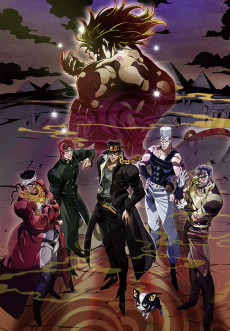
JoJo's Bizarre Adventure: Stardust Crusaders - Battle in Egypt
After 30 days of travel across the world, plagued with countless battles, Jotaro and his companions have finally arrived in Egypt! Now only the strongest "Stand" users remain to rebuff our heroes' final march on Cairo: The Nine Egyptian Gods, Dio's most zealous servants. Will the Joestar line fall to the monstrous vampire, or can Jotaro defeat Dio and save his mother's life?
(Source: Crunchyroll)
📺Anime Details
📝Editorial Analysis
The desert wind doesn’t whistle—it grinds. Grit scours Jotaro’s coat as he stands alone beneath a bruised twilight sky, Stand energy flaring like a dying star—time itself stutters, then shatters. Not in slow motion, not in spectacle—but in raw, breathless weight: each second stretched thin, each heartbeat a drum against the inevitability of Dio’s throne. This isn’t just climax. It’s exhaustion made visible: blistered hands, cracked lips, the quiet tremor in Joseph’s voice when he says “You’ve come so far, Jotaro…” — not as praise, but as witness to thirty days of loss, betrayal, and bodies left behind in Cairo’s dust.
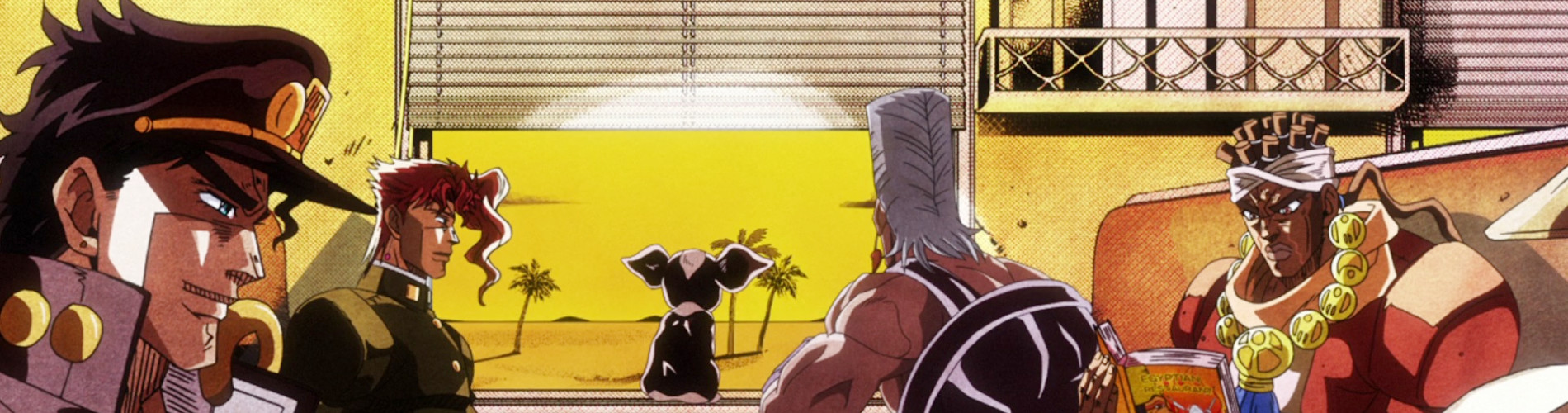
What makes JoJo's Bizarre Adventure: Stardust Crusaders - Battle in Egypt ache so deeply isn’t its flamboyance or its time-bending battles—it’s how melancholic its triumph feels. Every victory is laced with absence. The ensemble isn’t just a team; it’s a procession of ghosts walking toward a final door. You don’t feel triumphant stepping into Cairo—you feel hollowed, reverent, aware that every step forward costs something irreplaceable. It’s revenge stripped bare of glory, travel that leaves scars instead of souvenirs, supernatural power wielded not for dominance, but for one last, desperate act of love. This isn’t shōnen as ascent—it’s shōnen as pilgrimage, where the destination isn’t victory, but witnessing your own endurance.
That same emotional DNA hums in Tank Universal, where player review confesses: “Play cool tank game with dad when you were 6… Grew up dad passes away…” The game’s sci-fi arena isn’t just neon grids and booming cannons—it’s melancholic exploration, a world vast and luminous, yet echoing with memory. Like Jotaro crossing the Sinai, the player moves through scale and silence—not chasing enemies, but carrying the weight of what came before. The colors blaze, yes—but the sound design, the solitary hum of engines in empty corridors, the way time dilates in combat—mirrors how Stardust Crusaders makes stillness scream louder than any Stand cry.
Then there’s Persona 5 Royal, whose player review fixates on “Stunning Soundtrack” and “seamless transition between daily life…”—a rhythm that echoes the anime’s dual pulse: explosive, stylized battle, then sudden, tender quiet—Kakyoin’s journal entries, Polnareff’s laughter cracking mid-sentence, the hush before a Stand arrow lands. Both works treat emotional narrative not as subplot, but as structural rhythm: fight, breathe, remember, grieve, move. The Phantom Thieves wear masks; the Crusaders wear wounds. Neither hides their vulnerability—they weaponize it.
And Dragon Age: Origins, where a player notes “the story is great and its pause attack mechanic is amazing… help a lot to strategist your tactic…” That pause—that deliberate, breath-held suspension—is pure Stardust Crusaders. When Jotaro stops time, it’s not a cheat. It’s focus made physical. It’s grief, calculation, love, and terror all frozen in a single frame—then released like a held breath. The tactical pause isn’t about control; it’s about presence. Like watching Joseph’s hands shake as he sets a trap, or Avdol’s final stand—not as spectacle, but as intimacy with consequence. Both demand you sit inside the weight before you act.
Who loves this pairing? Not just fans of “cool powers” or “epic fights.” It’s the person who replays the Cairo train station scene—not for the Stand clash, but for the way Jotaro’s shadow falls across the cracked tile, small and certain. It’s the player who boots up Space Trader: Merchant Marine, reads that Reddit note about copying steam.dll, and smiles—not at the glitch, but at the care it took to keep this fragile, funny, low-res world alive. It’s anyone who’s ever traveled far, fought hard, and realized the real journey wasn’t across borders or galaxies—but learning how much you can carry, how quietly you can love, and how fiercely you’ll stand—even when your knees are bleeding, your watch has stopped, and the sun is setting on everything you knew.
🎮27 Games That Match the Vibe
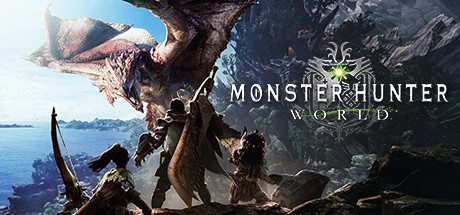





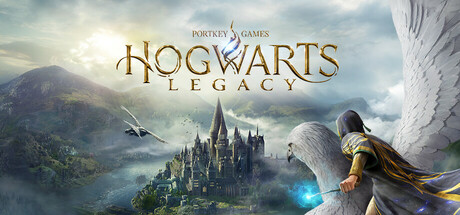
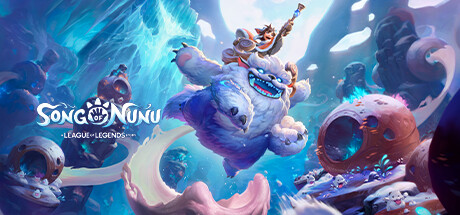
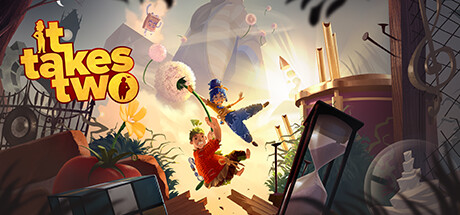

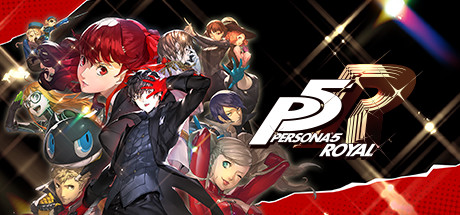
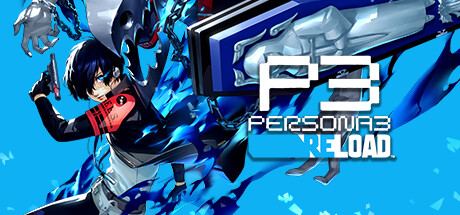
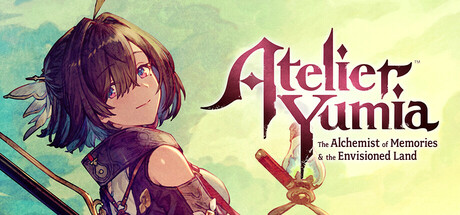
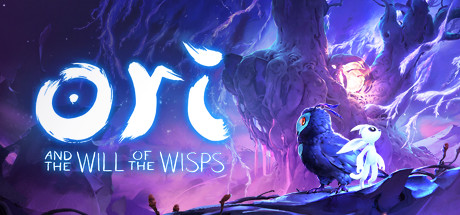
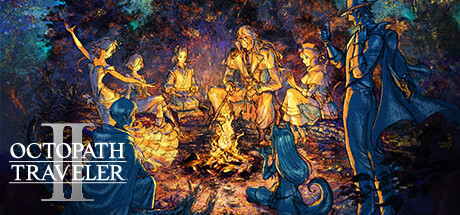
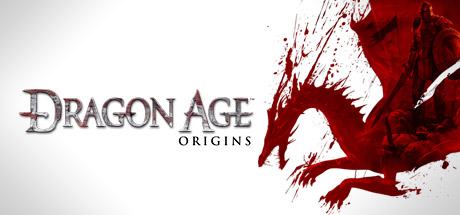

Match Dimensions Explained
❓Frequently Asked Questions
Why does Stardust Crusaders' Battle in Egypt feel so different from Dragon Age: Origins despite both having emotional narratives?
Because Stardust Crusaders leans hard into over-the-top, real-time Stand battles—think Jotaro freezing time to dodge Dio’s punches—while Dragon Age: Origins uses pause-and-play tactical combat where you queue up abilities like Morrigan’s Winter’s Grasp or Alistair’s Shield Bash. The emotional weight in Origins comes from dialogue choices and party banter during campfire scenes, not flashy anime-style spectacle.
Is there a JoJo's Bizarre Adventure anime adaptation with gameplay like Tank Universal?
No—Tank Universal isn’t based on JoJo at all. It’s a melancholic sci-fi tank FPS inspired by Tron and Battlezone, with neon-lit arenas and AI allies, totally unlike Stardust Crusaders’ Egyptian desert duels or Stand-based combat. You won’t find Jotaro or Dio piloting tanks here—just your dad’s old copy, glowing in the dark with cool sound effects.
How does Persona 5 Royal compare to Stardust Crusaders in terms of stylish action and character flair?
Both are dripping with style—but Persona 5 Royal delivers it through slick UI animations, jazz-funk soundtrack swells during Confidant scenes, and Phantom Thieves executing All-Out Attacks like Ryuji’s 'Thunder Reign' in Mementos dungeons. Stardust Crusaders goes full anime with frame-perfect time-stops and Stand cries ('ORA ORA ORA!'), while P5R layers its flash over turn-based strategy and social sim rhythm.
What’s the best game like Stardust Crusaders if I want that same intense, emotionally charged showdown vibe but with more strategic depth?
Dragon Age: Origins is your best bet—it nails the high-stakes, legacy-defining duel energy (like facing the Archdemon) with its pause-attack mechanic, letting you micro-manage tactics mid-battle just like timing Star Platinum’s punches. Player reviews even call out how much that pause feature helps strategize—perfect for fans who love the tension of 'Will Jotaro land the final blow before time runs out?'