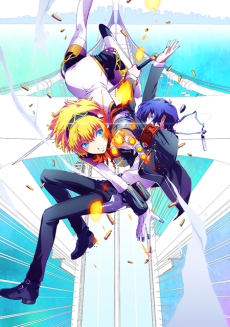
Persona 3 the Movie: #2 Midsummer Knight's Dream
After realizing the value of life and the importance of his own allies, Makoto finally got his smile back. He finds himself learning more about those comrades and getting closer to them. Makoto wishes that everything will continue just as they are. However, little by little, the pieces and people in Makoto's new, happy life begin to fall apart.
📺Anime Details
📝Editorial Analysis
The salt wind off the coastal cliffs hits Makoto’s face as he stands beside Yukari, watching the sunset bleed into the sea—his smile real, unguarded, fragile. He breathes in like it’s the first time. Not because he’s safe, but because he’s choosing to feel it anyway—this warmth, this quiet closeness, this terrifying, beautiful suspension before the fall. That moment isn’t peace. It’s the calm just before the tide turns—and you know, deep in your ribs, that it will.
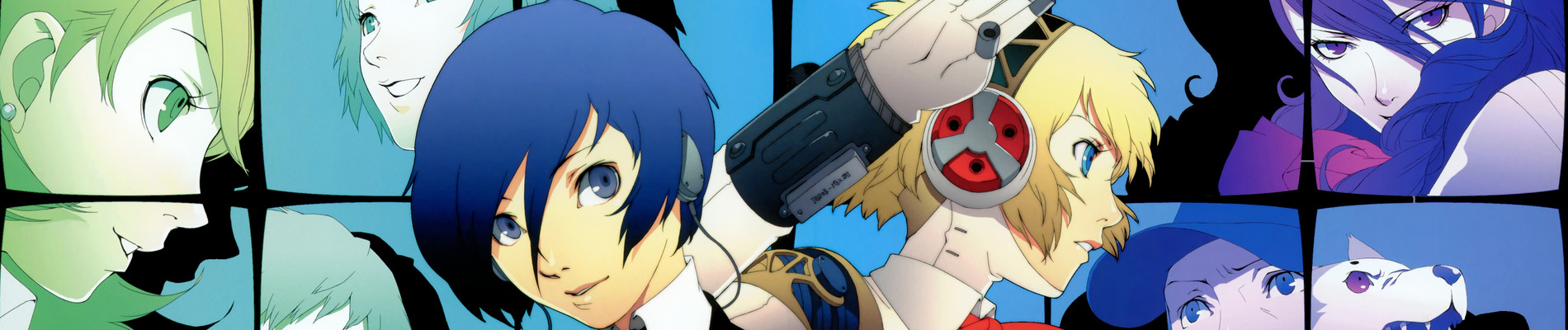
That’s the atmosphere of Persona 3 the Movie: #2 Midsummer Knight's Dream: not dread as noise or jump-scares, but dread as weight. It’s the slow, chilling awareness that every laugh shared in the dorm kitchen, every late-night conversation in the library, every glance held a second too long—they’re all temporary fixtures in a world governed by cosmic indifference. The urban fantasy isn’t whimsical; it’s suffused with mythology and gods, yes—but gods who don’t intervene, who observe, who measure. The coastal setting isn’t scenic—it’s liminal, where land surrenders to sea, and time itself feels thin, porous. You don’t just watch Makoto’s happiness unravel—you taste its sweetness because you know how sharply it will curdle. This isn’t tragedy as spectacle. It’s tragedy as recognition: that love, loyalty, even memory, are all flickering candles in a gale you can’t name.
That same emotional DNA pulses through Rise of the Argonauts, where Jason’s entire arc begins not with power or conquest, but with irreversible loss—his fiancé killed on their wedding day. His vow isn’t heroic ambition; it’s raw, desperate revenge against fate itself, echoing Makoto’s silent, mounting resistance to the inevitability of dissolution. The player review calls it “ancient history done right”—but what makes it resonate isn’t accuracy alone. It’s how the game frames myth not as distant legend, but as emotional architecture: gods aren’t characters—they’re forces that warp human choice, just as the Dark Hour warps time and consequence in Persona 3 the Movie: #2 Midsummer Knight's Dream. Both ask: What do you become when the universe refuses to honor your grief?
Then there’s Jade Empire™: Special Edition, where you step into a martial-arts master’s path—not just choosing combat styles, but committing to philosophies that reshape identity. Its description highlights “Emotional Narrative” and “Adult & Dark Seinen,” and the player review’s oddly specific troubleshooting note about Steam DLLs? That accidental detail matters. It signals how deeply players embed themselves—even technical friction becomes part of the ritual, like rewatching Makoto’s quiet moments before the storm, knowing each frame is both precious and doomed. In Jade Empire, morality isn’t binary; it’s a slow erosion or cultivation of self, mirroring how Makoto’s bonds deepen even as his world fractures. The open palm or closed fist isn’t about good vs. evil—it’s about how much you’re willing to break yourself to hold on.
Even Children of the Nile: Enhanced Edition, at first glance a city-builder, carries the same haunting gravity. As Pharaoh, you don’t conquer—you shepherd, across thousands of years. The player review doesn’t praise mechanics; it confesses painful immersion: “I can’t describe in words how many hours I have lost… how painful it is for me to play right now.” That ache—the exhaustion of care, the weight of continuity, the quiet horror of outliving your own meaning—is pure Midsummer Knight's Dream. Building a civilization isn’t triumph; it’s stewardship under indifferent stars. Like Makoto watching his friends laugh in the sun, knowing their light is borrowed.
This pairing isn’t for fans of “cool powers” or “epic battles.” It’s for the ones who pause mid-scene—not to check their phone, but to hold their breath—because they recognize the hush before collapse. It’s for players who replay dialogue trees not to optimize outcomes, but to linger in the unsaid. For viewers who don’t look away when Yukari’s voice cracks, or when Makoto’s smile doesn’t quite reach his eyes anymore. They’re drawn to stories where beauty and ruin share the same breath, where mythology isn’t backdrop—it’s the bone-deep truth that some losses carve you open, and some bonds make the carving worth it.
🎮3 Games That Match the Vibe
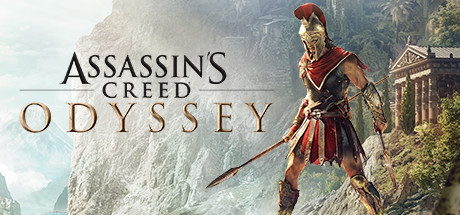
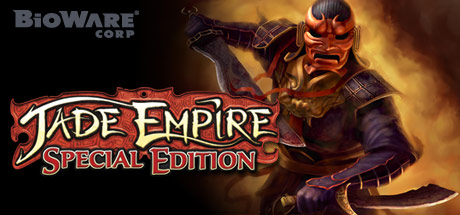
Match Dimensions Explained
❓Frequently Asked Questions
Why is Rise of the Argonauts listed as similar to Persona 3 the Movie: #2 Midsummer Knight's Dream?
Because both dive deep into adult, melancholic themes—like grief-driven vengeance and moral ambiguity—with a mythic, ritualistic tone. Jason’s vow to resurrect his murdered fiancé mirrors Makoto’s confrontation with death and time in the Dark Hour, and the game’s ‘Adult & Dark Seinen’ dimension lines up with the movie’s brooding, psychologically layered atmosphere.
Is there a game adaptation of Persona 3 the Movie: #2 Midsummer Knight's Dream?
No—there’s no standalone game adaptation of that specific movie. But Rise of the Argonauts and Jade Empire™: Special Edition capture its core vibe: myth-infused tragedy, morally complex choices, and a protagonist wrestling with fate (like Jason choosing between gods or the Jade Empire hero picking the Open Palm vs. Closed Fist path).
How does Jade Empire compare to Persona 3 in terms of emotional storytelling?
Jade Empire nails the emotional weight and identity crisis you love in Persona 3—especially during pivotal moments like your master’s betrayal or the final choice between compassion and control. Its ‘Emotional Narrative’ and ‘Adult & Dark Seinen’ dimensions mirror how Persona 3 #2 explores trauma, loyalty, and sacrifice, but swaps high school life for wuxia-style martial-arts destiny.
What’s the best game like Persona 3 the Movie #2 if I want that heavy, mythic, late-night introspection vibe?
Rise of the Argonauts—it’s got that same haunting, myth-drenched gravity: Jason walking through ruins after his wedding massacre, bargaining with gods in shadowy temples, making grim choices that echo Makoto’s midnight battles in Tartarus. The 82 Metacritic score and player praise for its ancient-history authenticity make it the closest match for that solemn, mythic mood.