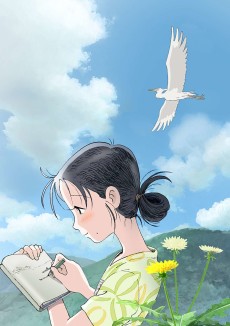
In This Corner of the World
The story follows a young lady named Suzu Urano, who in 1944 moves to the small town of Kure in Hiroshima to live with her husband's family. Suzu's life is thrown into chaos when her town is bombed during World War II. Her perseverance and courage underpin this heart-warming and inspirational tale of the everyday challenges faced by the Japanese in the midst of a violent, war-torn country. This beautiful yet poignant tale shows that even in the face of adversity and loss, people can come together and rebuild their lives.
(Source: Shout! Factory)
📺Anime Details
📝Editorial Analysis
The kettle whistles—not a sharp, urgent cry, but a thin, trembling thread of sound that hangs in the humid August air as Suzu Urano stands barefoot on the sun-warmed wooden floor of her in-laws’ kitchen in Kure. Her fingers are stained faintly blue from sketching the morning’s rice ration on scrap paper—just a quick, looping outline of a bowl, three grains inside, drawn not to mourn scarcity but to anchor herself. Outside, cicadas scream. A plane hums, distant. She doesn’t look up. She just adds a tiny steam curl rising from the bowl. That moment—quiet, tender, unyielding—is the heart of In This Corner of the World: not the bomb blast, not the hospital bed, but the stubborn, almost sacred act of drawing while the world unravels.
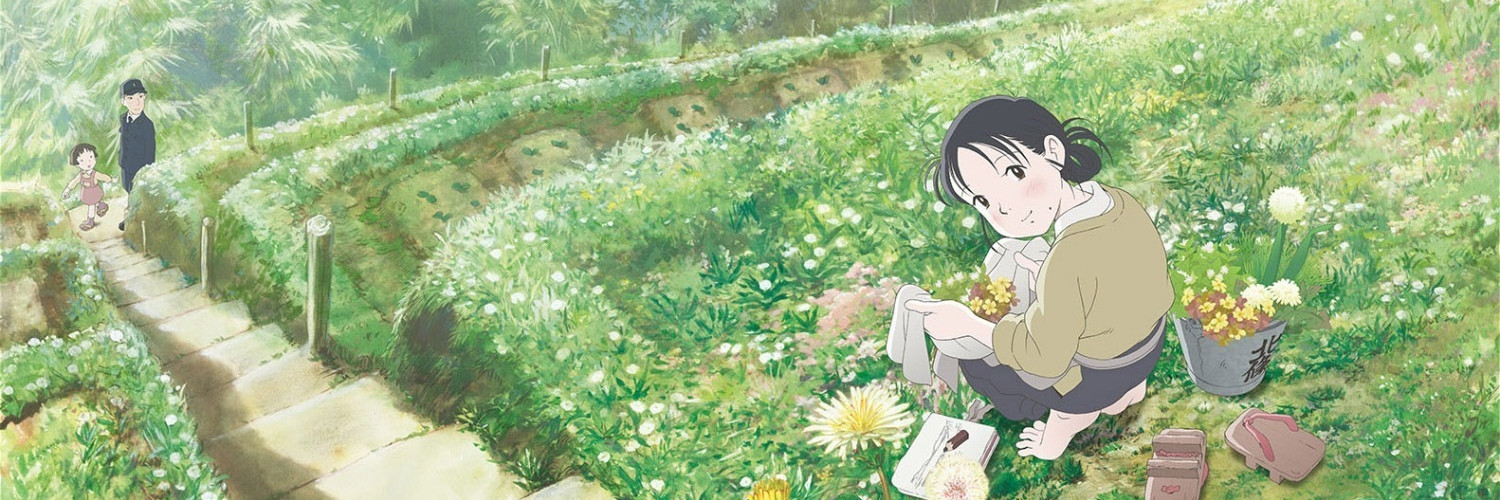
This isn’t war-as-spectacle. It’s war-as-weather: a slow, suffocating pressure system moving across daily life. You feel the weight of waiting, the exhaustion of repetition, the quiet terror of silence after sirens. Suzu’s resilience isn’t heroic—it’s domestic, stitched into mending socks, stretching soy sauce, remembering how many beans fit in a single cup. The film makes you notice: the grain of tatami, the way light catches dust motes above a steaming pot, the slight tremor in a hand holding chopsticks after news arrives. It asks you to hold space for grief and gratitude at once—not as contradiction, but as coexistence. That duality—the softness of routine pressed against the hardness of loss—is what lingers long after the credits fade.
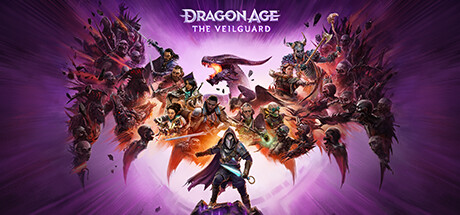
Dragon Age: Origins shares this emotional DNA—not in its grand battles or darkspawn hordes, but in its emotional narrative and adult & dark seinen texture. The player review notes the “pause attack mechanic” aiding “strategist[y]”—but what that really enables is deliberation, the same kind Suzu uses when deciding how much miso to stir into soup so no one notices the broth is thinner than last week. Like Suzu, the Grey Warden must weigh consequence against survival, not in epic monologues, but in hushed campfire talks, in who gets the last clean bandage, in whether to spare a deserter whose eyes hold the same hollow fatigue Suzu sees in her own reflection. The game’s weight comes not from spectacle, but from moral erosion worn like a second skin—exactly how Suzu’s wartime reality settles into her bones.
Then there’s The Witcher 3: Wild Hunt, praised by a player for its DLC arriving “11 years after release” while still feeling vital—a testament to enduring resonance. Geralt tracks Ciri across a continent scarred by war, plague, and prejudice; his journey mirrors Suzu’s not in scale, but in texture: the way trauma lives in small gestures (Geralt’s habitual grip on his sword pommel; Suzu’s automatic reach for her sketchbook), the way love persists despite impossibility, not because of it. The player review doesn’t mention combat or monsters—it highlights continuity, the quiet miracle of something meaningful lasting. That’s Suzu’s entire arc: her drawings survive the blast. Her memory of cherry blossoms survives the ash. Her love for her husband survives his silence. Both works treat time not as linear progress, but as layered sediment—grief and joy compacted, inseparable.
Even Tank Universal, with its neon Tron-inspired sci-fi and tank combat, carries an unexpected echo. One player recalls playing it “with dad when you were 6”, loving “the cool sound effects, and the colors”, then losing access—and later, losing their father. That raw, personal note—“time goes on; loose access to game. Grew up dad passes away…”—mirrors Suzu’s own quiet reckonings with absence, with irreplaceable things gone in an instant. The game’s description calls it an “action FPS tank wargame”, but the review reveals its true dimension: memory-as-battlefield. Like Suzu redrawing her sister’s face from fading recollection, the player clings to sensory ghosts—sound, color, presence—long after the screen goes dark. Both are about holding on, not through force, but through sensory fidelity: the whistle of a kettle, the thrum of a tank engine, the exact shade of blue ink on rice paper.
This pairing speaks to people who don’t need catharsis—they need companionship in endurance. To the viewer who watches Suzu fold laundry after the bombing and feels their throat tighten not from sadness, but from recognition. To the player who pauses mid-battle in Dragon Age not to plan tactics, but to watch a companion wipe sweat from their brow—just like that. To anyone who’s ever sketched a memory, played a game with someone now gone, or held a bowl of thin broth and called it enough. They understand that courage isn’t loud. It’s blue ink on scrap paper. It’s a pause button pressed not to win, but to breathe. It’s love, drawn again and again, even when the page is torn.
🎮19 Games That Match the Vibe
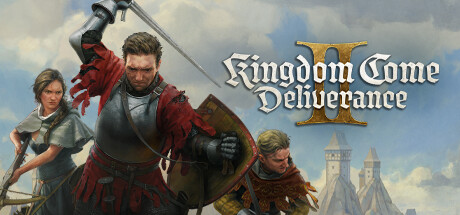
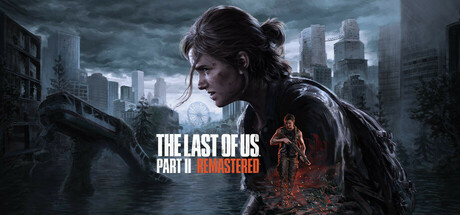


Match Dimensions Explained
❓Frequently Asked Questions
Why does Dragon Age: Origins match 'In This Corner of the World' despite having fantasy monsters and magic?
Because both center on quiet, morally weighted moments amid historical upheaval—like Suzu quietly mending clothes during air raids, or your Warden choosing to spare a desperate noble family in Lothering while the Blight looms. The emotional narrative dimension (shared by all matches) anchors you in human-scale stakes, not epic battles: that pause-and-plan combat lets you linger in tension, just like the film’s long silences where grief or hope hangs unspoken.
Is there a video game adaptation of 'In This Corner of the World'?
No—there’s never been an official game adaptation. But if you’re craving that same hushed, empathetic wartime intimacy, The Witcher 3: Wild Hunt delivers it through Geralt’s grounded choices: helping a traumatized war widow in White Orchard or deciding whether to let a deserter live after hearing his story over shared tea—moments that echo Suzu’s resilience without melodrama.
How is Tank Universal similar to The Witcher 3 if one’s about tanks and the other’s a monster-hunting RPG?
They share the 'Emotional Narrative' and 'Adult & Dark Seinen' dimensions—not in setting, but in tone and consequence. Like Geralt’s morally gray contracts, Tank Universal’s player review mentions playing it with his dad at age 6, then losing access after his father passed away—a personal, layered memory embedded in the game’s design, much like how Suzu’s daily routines (peeling sweet potatoes, sketching clouds) carry quiet emotional weight beneath the surface action.
What’s the best game like 'In This Corner of the World' for feeling gentle, melancholic hope?
The Witcher 2: Assassins of Kings Enhanced Edition—it’s full of small, tender human moments amid political dread: Geralt sharing a quiet drink with Iorveth in a forest camp, or choosing to protect a village schoolteacher instead of chasing glory. That ‘Adult & Dark Seinen’ dimension doesn’t mean grimness—it means maturity, like Suzu humming while rationing rice, and the game’s deliberate pacing gives space for those fragile, hopeful breaths.