Waiting in the Summer
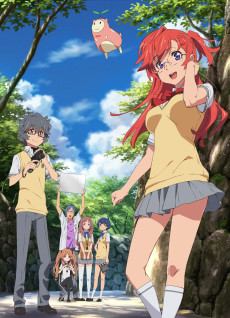
When a group of friends decide to make a movie over a long summer holiday, they end up learning a little about filmmaking and a lot more about each other and themselves. What begins as a simple way to avoid the summer doldrums quickly turns into something much more complex, intimate and revealing, as the maturing relationships between the members of the young cast take on new, and sometimes very unexpected, turns.
(Source: Sentai Filmworks)
📺Anime Details
📝Editorial Analysis
The smell of wet concrete after a sudden summer downpour—warm, mineral-rich, faintly electric—lingers in the air as Kaito adjusts the camera tripod on the school rooftop. Below, the others are laughing, hair still damp, script pages fluttering in the humid breeze. No grand alien reveal yet. No confession. Just the weight of time stretching, elastic and tender, between one take and the next. That’s where Waiting in the Summer lives: not in spectacle, but in the suspended breath before something changes.
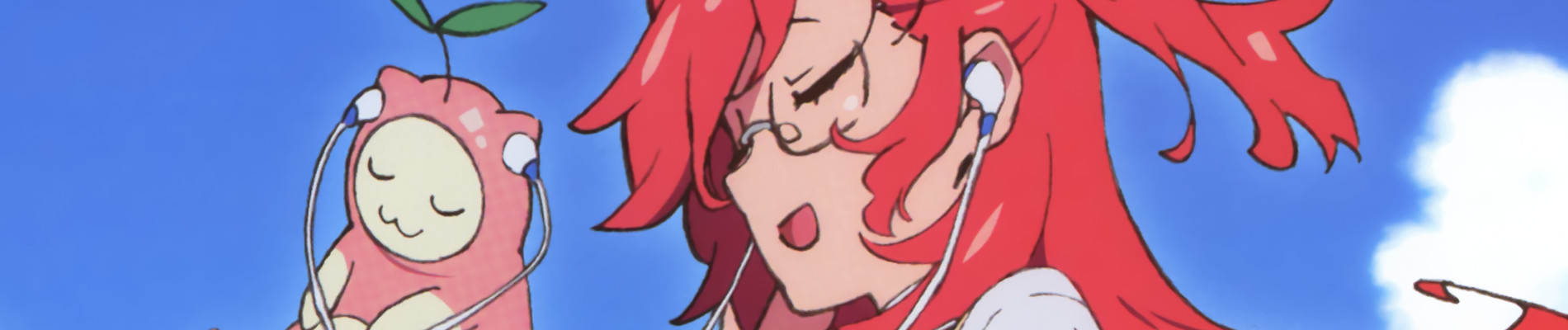
What makes it ache so quietly is how deeply it trusts slowness. This isn’t urgency—it’s accumulation. Every shared glance across a cluttered editing suite, every hesitant pause before handing back a borrowed pen, every unspoken thing folded into the rhythm of loading film stock or rewinding tape… it all gathers like condensation on a cold soda can. You don’t just watch these teens grow; you feel the quiet pressure of their own dawning awareness—the way identity softens at the edges when held up to someone else’s gaze. It’s intimate, yes—but more than that, it’s reverent: reverent of ordinary moments, of collaborative vulnerability, of the fragile, luminous truth that meaning isn’t found in destinations, but in the shared labor of making something together, even if it’s just a short film no one will ever see outside their circle.
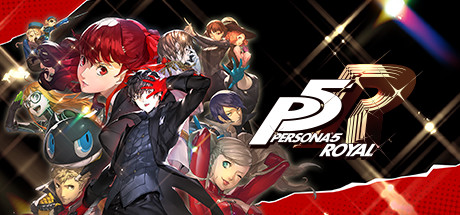
That same reverence pulses through Persona 5 Royal. Its description promises “build relations”—but the player review nails the emotional core: “The seamless transition between daily life…” Not despite the supernatural stakes, but within them—school days bleeding into midnight heists, confessions unfolding over coffee after exams, romance blooming not in cutscenes, but in the quiet accumulation of rainy-day walks and late-night texts. Like Waiting in the Summer, it treats time as sacred material—not to be rushed, but shaped, tested, layered. Both trust that love, grief, and self-discovery happen in the margins: in the space between frames, between dialogue options, between heartbeats.
Then there’s Jade Empire™: Special Edition, whose description frames choice as embodied philosophy—“the path of the open palm or the closed fist.” The player review is fragmented, technical, almost apologetic—yet that very dissonance echoes the anime’s texture. Waiting in the Summer doesn’t offer clean moral binaries either. Loyalty isn’t absolute. Desire isn’t linear. A character’s kindness might mask withdrawal; their confidence, fear. Like Jade Empire’s martial-arts mastery, growth here is physical, tactile—learning to hold focus, to breathe through discomfort, to find balance in motion, not stasis. Neither work explains its ethics; both embody them through gesture, repetition, consequence.
And Dragon Age: Origins, with its description asking “what will be said about the hero who turned the tide?”—a question steeped in legacy, memory, narrative weight. The player review calls it “pause attack”—a mechanic that literally lets you stop time mid-battle to choose your next move. That’s the anime’s heartbeat too: the deliberate, almost sacred pausing of summer—of adolescence—to examine who you are before the world demands you become something fixed. Both understand that tragedy isn’t just loss—it’s the irreversible folding of possibility into history. When a friendship fractures or a secret surfaces in Waiting in the Summer, it lands with the same quiet finality as a companion’s departure in Dragon Age: not with fanfare, but with the hollow echo of a decision made, a path closed, a story already beginning to calcify into myth.
This pairing sings for the person who cries during a character’s offhand line about wanting to remember exactly how the light hit the floorboards that afternoon. For the one who replays a dialogue tree not to optimize outcomes, but to linger in the warmth of a shared silence. For the viewer who watches Kaito fumble with a film reel and feels the same tenderness they felt watching their own hands shake while holding someone’s hand for the first time. It’s for those who know that the most profound alien encounters aren’t with beings from other worlds—but with the startling, beautiful, terrifying realization that the people beside you are real, changing, irreplaceable—and that summer, like love, like memory, like film itself, is always already developing in the dark.
🎮6 Games That Match the Vibe


Match Dimensions Explained
❓Frequently Asked Questions
Why does Persona 5 Royal keep coming up when I search for games like Waiting in the Summer?
Because both lean hard into summer-set, slice-of-life romance with strong shoujo vibes—think quiet rooftop confessions, festival fireworks, and slow-burn character bonds. In Persona 5 Royal, you’ll spend afternoons at Shibuya’s noodle shops, build Confidants like Ann Takamaki (whose arc mirrors the tender, hesitant intimacy of Kaito and Mio), and feel that same bittersweet urgency as summer days tick down.
Is there an anime or visual novel adaptation of Waiting in the Summer?
No—it’s actually the other way around: Waiting in the Summer is *already* an anime (2012), not a game, so there’s no official game adaptation. But fans of its mood often pivot to JRPGs with rich romantic subplots and immersive daily life systems, like Dragon Age: Origins—where you can pursue Alistair or Morrigan over campfire talks and quiet moments between battles, echoing the anime’s emotional pacing.
How does Jade Empire compare to Persona 5 Royal for someone who loved Waiting in the Summer’s atmosphere?
Jade Empire trades Tokyo summers for a mythic, painterly wuxia world—but it nails the same quiet romantic tension, especially in companion routes like Dawn Star’s gentle loyalty or Silk Fox’s playful ambiguity. Unlike Persona 5 Royal’s tight calendar and school-life rhythm, Jade Empire leans into martial-arts training montages and morally nuanced choices, offering a more meditative, less time-pressured version of that ‘meaningful summer connection’ vibe.
What’s the best game like Waiting in the Summer if I want that nostalgic, sun-drenched, emotionally soft feeling?
Persona 5 Royal is your top pick—its golden-hour lighting, jazz-infused soundtrack, and heartfelt Confidant scenes (like Ryuji’s rooftop confession or Futaba’s late-night stargazing) directly channel Waiting in the Summer’s warmth and intimacy. The way time flows—school days, part-time jobs, and sudden rainy afternoon walks—creates that same hazy, precious summer-lens you’re after.