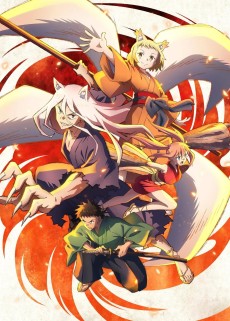
Sengoku Youko
The world is divided into two factions: humans and monsters called katawara. Despite being a katawara, Tama loves humans and vows to protect them from evil, even if it means fighting her own kind. Her brother Jinka, however, hates humans, despite mostly being one. The siblings are joined by a cowardly swordsman named Shinsuke, who wants to learn how to become strong.
When the group uncovers a plot to experiment on humans and transform them into monsters, they vow to defeat whoever is behind it... Even if it means battling an entire army of warriors.
(Source: Crunchyroll)
📺Anime Details
📝Editorial Analysis
The wind carries ash—not from fire, but from dissolving bodies. Tama stands barefoot in a rain-slicked village square, her fox-tail flickering like a dying ember, one hand outstretched to shield a human child while the other clenches into a fist that shivers with suppressed katawara power. Her brother Jinka watches from the treeline, his human face calm, his eyes already elsewhere—not angry, not grieving, just gone, split clean down the middle by what he is and what he refuses to be. Shinsuke stumbles forward, sword half-drawn, voice cracking—not with courage, but with the raw, unvarnished terror of someone who’s just realized strength isn’t a skill you acquire, it’s a wound you learn to carry.
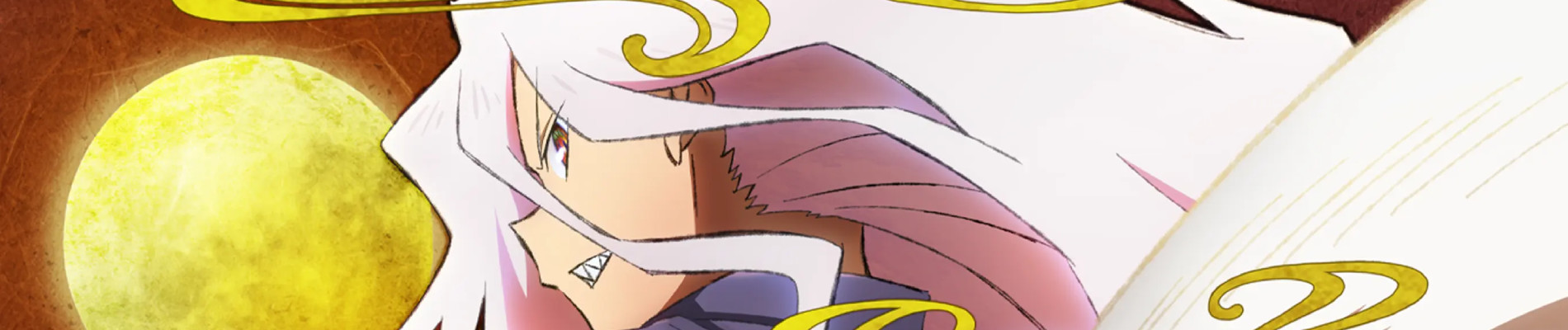
That moment isn’t about spectacle. It’s about fracture: the fracture between love and loyalty, between form and self, between protection and annihilation. Sengoku Youko doesn’t trade in mythic grandeur or world-ending stakes—it lives in the tremor before the strike, in the silence after a vow is made and immediately contradicted by biology, blood, or memory. Its atmosphere is heavy with unspoken grief, tense with the weight of inherited identity, and aching with the quiet dignity of choosing kindness when your very nature resists it. This isn’t shounen as triumph—it’s shounen as endurance. Every sword draw feels like a negotiation with fate; every shapeshift, a surrender to something older than choice.
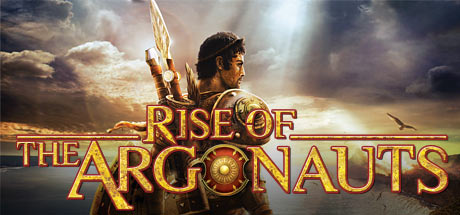
That emotional DNA pulses strongest in games where mythology isn’t backdrop—it’s burden. Rise of the Argonauts, for instance, drops you into Jason’s grief not as motivation, but as gravity: his fiancé’s death isn’t a plot device—it’s the axis around which every decision bends, every alliance curdles, every god’s favor feels like a loan with compound interest. The player review calls it “ancient history done right”—but what it does right is make myth feel personal, not epic. Like Tama choosing humans over katawara law, Jason chooses resurrection over peace—not because it’s noble, but because the alternative is unbearable. Both stories refuse catharsis. They sit with the ache.
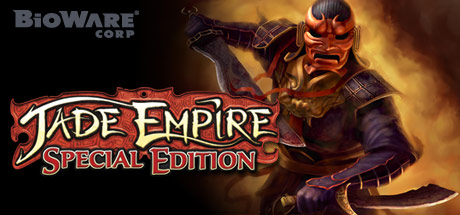
Then there’s Jade Empire™: Special Edition, where martial discipline isn’t about mastery—it’s about integration. The open palm or closed fist isn’t good vs. evil; it’s compassion vs. control, mercy vs. order—and the game’s emotional core lives in the tension between them, just as Sengoku Youko lives in Tama’s vow clashing with Jinka’s erasure of self. The player review mentions needing Reddit instructions to launch it—a fitting metaphor. This is a game that requires effort to access its heart, much like how Sengoku Youko demands you lean into discomfort: Shinsuke’s cowardice isn’t comic relief, it’s the trembling baseline of ordinary humanity trying to stand beside monsters who’ve already chosen sides. Both ask: What does integrity cost when your body betrays your soul?
Even Dark Messiah of Might & Magic, flawed and glitch-ridden as players report (“needs a patch to get the game running properly”), shares that visceral, physical honesty. Its melee combat isn’t flashy—it’s brutal, immediate, exhausting. You feel every parry, every stumble, every time your character’s breath hitches mid-swing. That’s the same physicality Sengoku Youko commits to: swordplay as bodily truth, not choreography. When Jinka fights, it’s not technique—it’s release. When Tama holds back, it’s not restraint—it’s resistance. The review says it “still holds up pretty well today”—because its emotional grammar hasn’t aged: violence as language, exhaustion as character, and power that never feels clean.
This pairing isn’t for fans of lore dumps or power fantasies. It’s for the ones who watch Tama’s tail flicker and feel their own throat tighten—not because she’s strong, but because she’s tired. It’s for players who boot up Jade Empire not for kung fu combos, but to sit with the master’s silence before he speaks. For those who replay Rise of the Argonauts’ wedding day cutscene not for tragedy, but for the unbearable ordinariness of love before it shatters. They’re the ones who understand that the deepest fantasy isn’t becoming a god—it’s staying human while holding a monster’s hand.
🎮7 Games That Match the Vibe
Match Dimensions Explained
❓Frequently Asked Questions
Why is Rise of the Argonauts often matched with Sengoku Youko despite the Greek setting?
Because both lean hard into mythic worldbuilding where folklore isn’t just backdrop—it’s lived, ritualized, and emotionally charged. Jason’s grief-driven quest to resurrect Medea mirrors Youko’s spiritual journey through layered Shinto-Buddhist cosmology, and the game’s branching dialogue choices (like deciding whether to appease or defy a vengeful sea god) echo Youko’s moral ambiguity in shrine negotiations. Players consistently praise how Argonauts makes ancient myths *feel* urgent and personal—not academic.
Is there an anime or manga adaptation of Sengoku Youko?
No—Sengoku Youko is purely a video game series (no anime, manga, or light novels exist). That said, fans drawn to its vibe often pivot to Jade Empire: Special Edition, which shares that same lush, morally fluid East Asian mythos—complete with spirit pacts, martial-arts schools like the Open Palm and Closed Fist, and NPCs who shift allegiances based on your choices at shrines or tea houses.
How does Loki compare to Rise of the Argonauts for someone who loves Sengoku Youko’s tone?
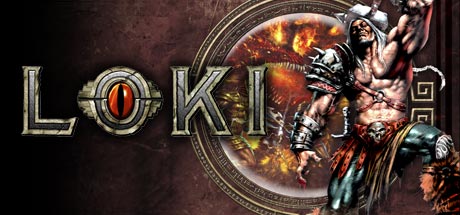
Loki leans more into bombastic, multilayered mythology (Norse, Egyptian, etc.) but lacks Youko’s quiet reverence—it’s flashier, less intimate. Where Argonauts gives you Jason’s raw grief and political weight (like choosing to spare or execute a corrupted oracle), Loki’s heroes feel more archetypal (e.g., the Norse fighter smashing through frost giants). Both score 84, but if Youko’s mood is ‘meditative awe,’ Argonauts nails it; Loki’s closer to ‘mythic rollercoaster’—and yeah, it crashes way too often.
What’s the best Sengoku Youko-like game if I want melancholy beauty and spirit dialogue over combat?
Jade Empire: Special Edition—hands down. Its emotional narrative dimension (score: 80) and deep Mythology & Folklore roots mirror Youko’s soulful pacing: think choosing between healing a fox spirit’s curse or binding her as a weapon, or debating philosophy with Master Li while cherry blossoms fall outside the training yard. The Steam launch hoops? Annoying, sure—but once running, its tone is unmatched for quiet, resonant myth-making.